Does Soda Dehydrate You? The Truth About Fluids and Fizz
Does Soda Dehydrate You? The Truth About Fluids and Fizz
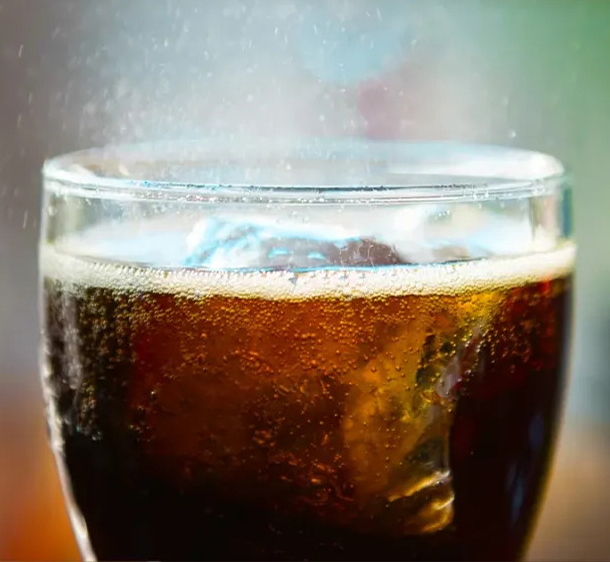
People often hear one common claim. Coffee and soda can dehydrate the human body for their caffeine content. People still wonder if this statement holds true in real life. The question of whether soda causes dehydration comes up very often. Active people, office workers and anyone who keeps paying attention to daily water intake all care about this topic. The direct answer is no. Soda will not make your body lose water easily. People need to learn how caffeine acts inside the body, what role water plays in soda, and the real difference between hydration and nutritional intake to get the full truth. This article sorts out related scientific facts, widespread wrong ideas and practical knowledge about soda and human fluid balance.
The Hydration Myth: Where It Comes From
|
The wrong view that caffeinated drinks lead to dehydration comes from early research results. Those studies pointed out caffeine carries a slight diuretic effect. A diuretic substance can raise urine output and bring extra fluid loss to the body. New modern research has already corrected this old opinion. Proper intake of caffeine will not cause dehydration at all. High doses of pure caffeine can increase urine discharge. Normal soda only has a small amount of caffeine. This tiny dose |
|
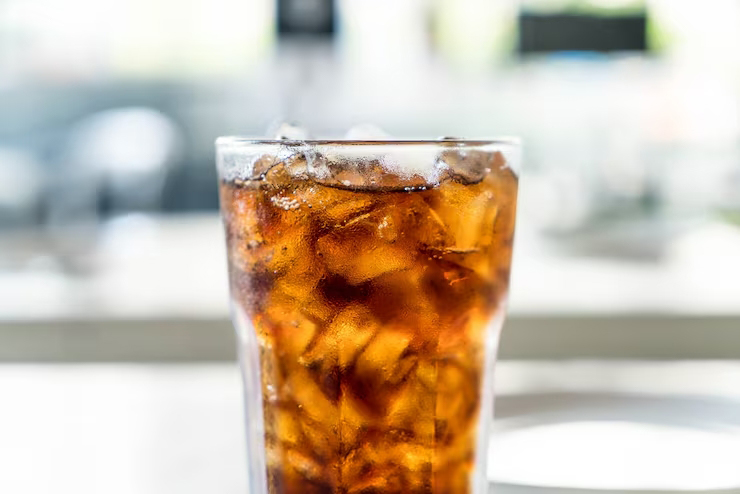
cannot offset the water people take from drinking soda. Most people do not face dehydration from soda intake. The human
body keeps more fluid from soda’s water than the small amount lost by caffeine’s diuretic effect.
The Water Content of Soda
Water makes up 90 to 99 percent of ordinary soda. A standard 12-ounce canned cola holds around 11 ounces of pure water inside. People count in caffeine’s mild diuretic influence. The body still gains more fluid than it loses after drinking soda. One formal study released by the American Journal of Physiology proved this point. Proper intake of caffeinated drinks works as well as plain water for daily hydration. You can explain the truth clearly when others say soda dehydrates the body. The large water proportion in soda beats any minor fluid loss caused by caffeine.
The Role of Sugar and Salt
Soda does not bring dehydration risk to the body. Its high sugar content still creates other physical reactions. Soda with
|
|
heavy sugar can slow down the emptying speed of stomach fluid. The liquid stays in the stomach for a longer time. It cannot replenish body water as fast as plain water does. This change will not lead to real dehydration. It only makes the water absorption speed slower. The soda with most caffeine usually have high sugar too. This condition will not change the basic hydration effect of soda. The human body can still absorb enough water from soda to maintain normal fluid balance.
|
Which Soda Has the Most Caffeine?
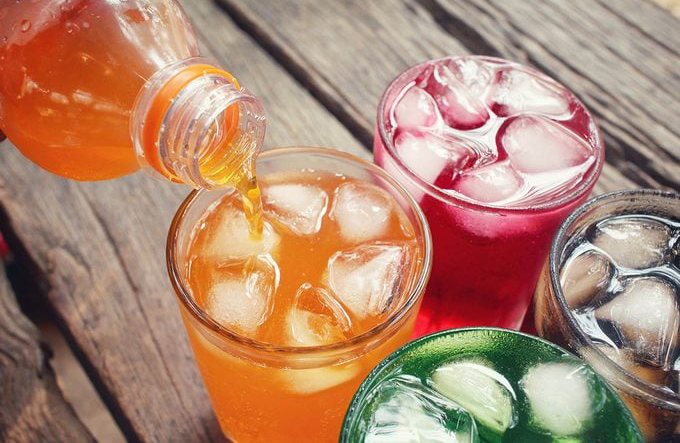
People link dehydration worry directly to caffeine when they talk about soda. They want to know which soda has the highest caffeine content. Common canned cola has 34 to 45 milligrams of caffeine per 12 ounces. Mountain Dew contains about 54 milligrams in the same portion. The classic Jolt Cola once had 72 milligrams of caffeine for each standard can. New energy drinks and some special soda products have over 100 milligrams per serving for reference. An 8-ounce cup of daily coffee has roughly 95 milligrams of caffeine. Even soda with the highest caffeine has less caffeine than a normal cup of coffee. Research also proves coffee will not cause human dehydration either.
A Brief History: The First Soda Ever Made
People can understand soda better with a basic knowledge of its origin. The earliest soda was not sweet cola or fruity mixed drink. It only took plain carbonated water as the only raw material. A Swiss inventor named Johann Jacob Schweppe created a stable way to make artificial carbonated water in 1783. He also built the Schweppes brand at the same time. This early fizzy water had no caffeine, no sugar and no artificial additives. Merchants sold it as a healthy drink instead of a beverage that drains body water. The whole modern soda industry grew and developed from this simple original form.
What About Flavour? Creaming Soda Explained
|
Creaming soda stands out among all kinds of soda drinks. Many people want to know what flavour is creaming soda. This popular drink takes vanilla as its core flavor. It also carries light hints of caramel, honey or raspberry in different regions. Creaming soda shows pink or golden vanilla flavor in Australia and New Zealand. People in the United States call the similar drink cream soda directly. These drinks keep the same feature no matter what name they use. Most creaming soda has no |
|
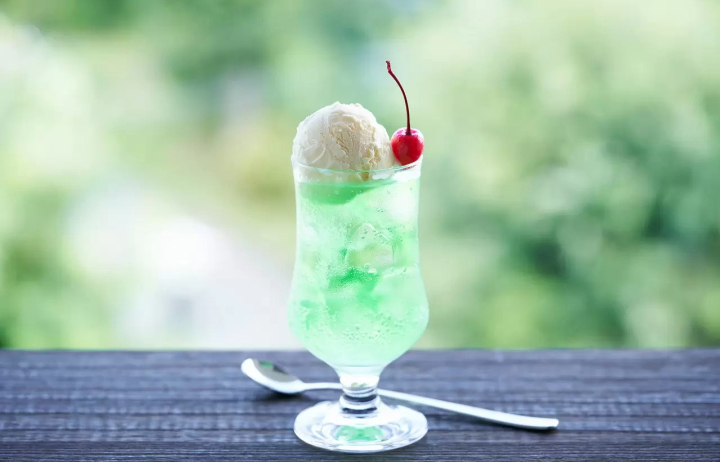
caffeine and owns the same hydration effect as regular soda. It holds rich water content and will not cause dehydration to
drinkers.
What Is A Dirty Soda?
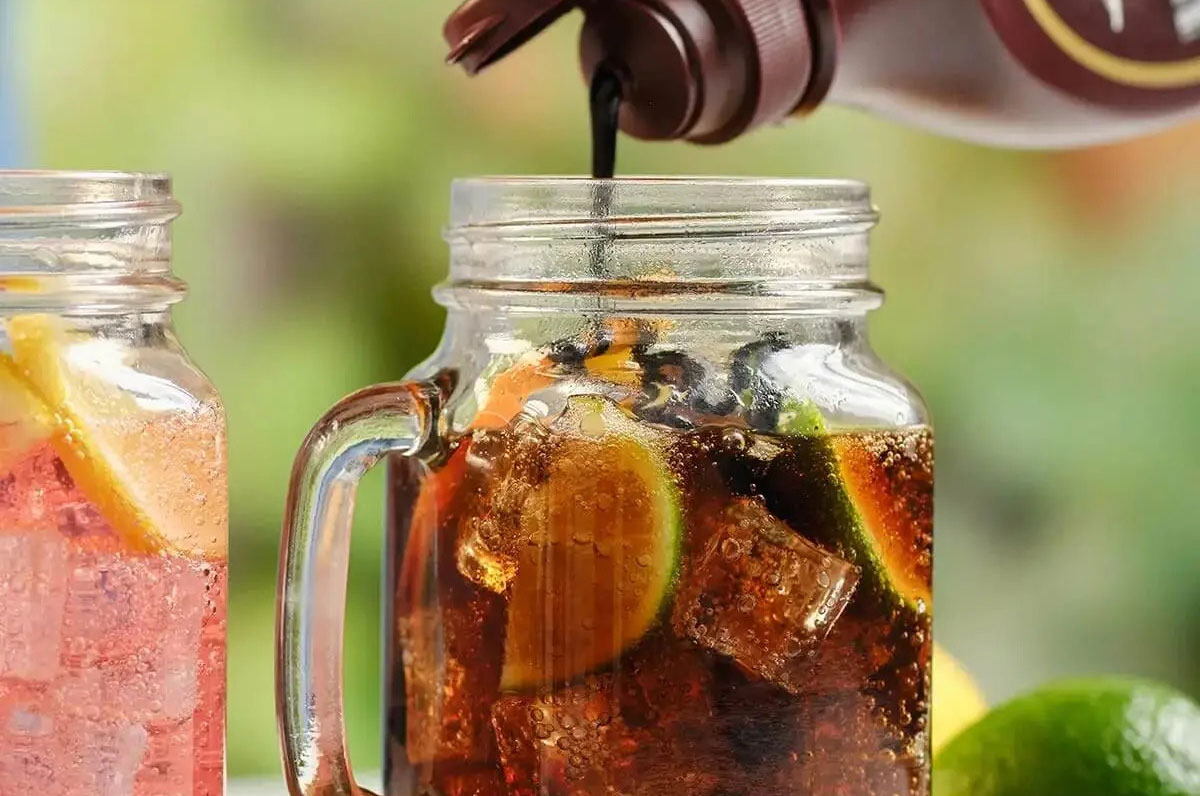
People cannot talk about modern soda culture without mentioning the rising dirty soda trend. Dirty soda is a kind of non-alcoholic mixed drink. It uses common soda like cola, root beer or lemon-lime soda as the base. People add flavored syrup, fresh cream, fruit juice and even decorative sugar grains or candy to adjust its taste and look. This drink first became popular in western American regions. It allows free flavor matching and sells well in local special takeaway shops. Dirty soda has richer taste and more additives than plain soda. It still takes water as its main ingredient and never leads to body dehydration.
How to Make Dirty Soda
You can make dirty soda by yourself at home. The whole process is easy to learn and full of fun. Prepare 12 ounces of
|
|
your favorite base soda such as cola, root beer or Dr Pepper. Add 1 to 2 tablespoons of flavored syrup with coconut, vanilla, raspberry or peach taste. Squeeze fresh lime juice into the drink to lift its flavor. Pour 1 to 2 ounces of half-and-half or light cream slowly along the spoon back. The cream will float on the top layer naturally. Stir the drink gently and you can enjoy it right away. This creamy sweet drink tastes like dessert. It still counts toward your daily water intake just like other soda types.
|
The Production Story: The Soda Filling Machine
Every canned or bottled soda relies on professional modern production equipment. The soda filling machine undertakes core work in production lines. It mixes carbonated water with syrup raw materials, fills liquid into containers, and seals bottle mouths to lock stable gas inside. The machine runs at a fast working speed. It makes sure every bottle of soda keeps the same taste, fizz degree and overall quality. The soda filling machine will not change the hydration property of soda. It only keeps the fixed proportion of water and other ingredients set by manufacturers in every finished product.
What the Science Says About Caffeine and Hydration
Many professional studies have checked the link between caffeinated drinks and dehydration directly. One research issued
by PLOS ONE in 2014 got a clear result. People who drank plain water and people who took caffeinated soda, coffee or
|
tea had no obvious difference in body hydration state. Another report from the Journal of Human Nutrition and Dietetics drew the same conclusion. Proper caffeine intake will not cause extra fluid loss beyond the liquid people drink. Caffeine does have a diuretic effect but the effect stays very weak. The human body can adapt to regular caffeine intake quickly. Scientific research gives a unified answer to the dehydration question. Soda will not dehydrate you at all. |
|
Exceptions and Special Considerations
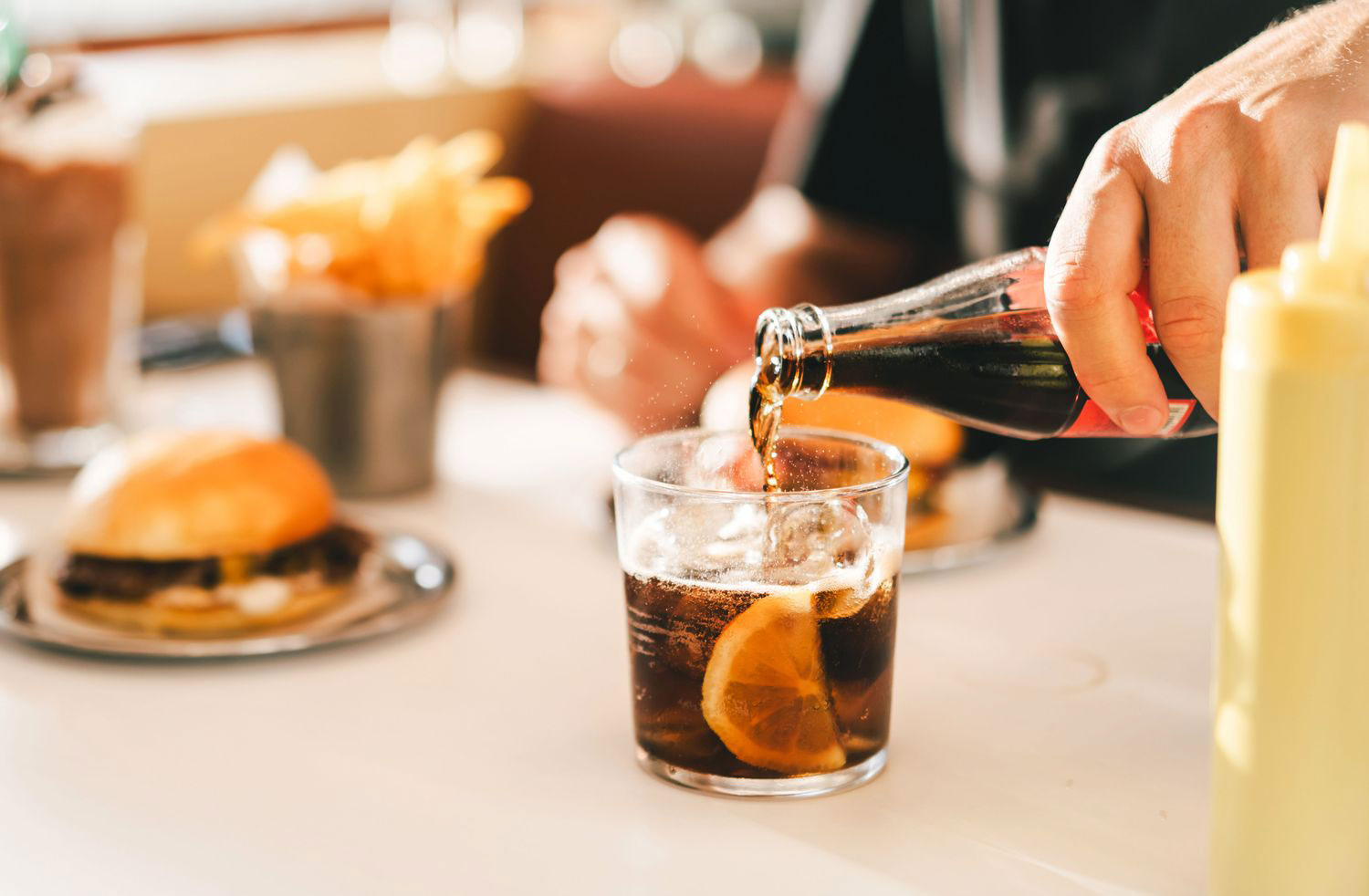
Soda does not cause dehydration in most daily cases. A few special situations still need extra attention. People with kidney disease or heart failure need to limit soda intake. The reason lies in soda’s sodium, phosphorus and high sugar content, not dehydration risk. Athletes who take long and high-intensity exercise get faster water replenishment from plain water or electrolyte drinks. Soda works well enough to supply daily fluid needs for ordinary people with normal daily activity.
Conclusion: Drink Smart, Not Scared
The answer to soda dehydration is definite. Soda will not drain your body water. The large water content in soda completely covers the mild diuretic effect brought by caffeine. You take in plenty of water no matter you drink classic cola, vanilla creaming soda or rich-tasting dirty soda. Soda with high caffeine still has less caffeine than a cup of coffee. Research proves coffee can replenish body water as well as plain water. Knowing the flavor feature of creaming soda lets you enjoy more soda choices. Mastering the way to make dirty soda gives you a fun self-made drink option. The soda filling machine keeps steady taste and quality for every bottled soda on the market. The earliest soda was just pure carbonated water with good hydration ability. Modern soda still keeps this basic feature. You can drink soda in proper amount without worrying about dehydration problems.