What is Cream Soda? The Story of America's Vanilla-Scented Icon
What is Cream Soda? The Story of America's Vanilla-Scented Icon
The mere mention of cream soda evokes a specific sensory memory. You recall the unmistakable fragrance of vanilla. You remember a bold sweetness and a smooth, creamy fizz. But what is cream soda, exactly? Beyond its familiar taste, it is a uniquely American soft drink. It has a surprisingly complex history. It also plays a versatile role in modern beverage culture. This article uncovers the origins, the ingredients, and the enduring appeal of this beloved fizzy drink.
A Definition in a Bottle
At its core, cream soda is a carbonated soft drink. Its dominant flavor is vanilla. The "cream" in its name typically does not come from dairy. It comes from an old-fashioned term. This term described a smooth, rich texture. It also referred to vanilla's historical link to the idea of "creaming," which means creating a luscious blend. Modern recipes achieve this profile using specific ingredients. They use a base of carbonated water. They add a sweetener, which was historically cane sugar but is now often high-fructose corn syrup. Finally, they include natural or artificial vanilla flavoring. The drink is often tinted a light brown or golden color. However, pink, red, and clear variations also exist.
|
|
Its journey from syrup to store shelf is a modern engineering feat. This process relies completely on the soda filling machine. These automated lines are where the vanilla syrup mixture meets carbonated water. The machine blends them with perfect consistency. Then it hermetically seals the mixture into bottles or cans. This seals in the signature smooth fizz. That fizz defines the commercial cream soda experience. |
A Brief History: Origins and Evolution
Pinpointing the exact invention of cream soda is difficult. It evolved from the pharmacy fountain culture of the 19th century.
The first soda ever made for wide commercial sale is generally credited to Schweppes. They sold carbonated mineral
water in 1783. Cream soda emerged decades later. Druggists began experimenting with flavored syrups. One of the
|
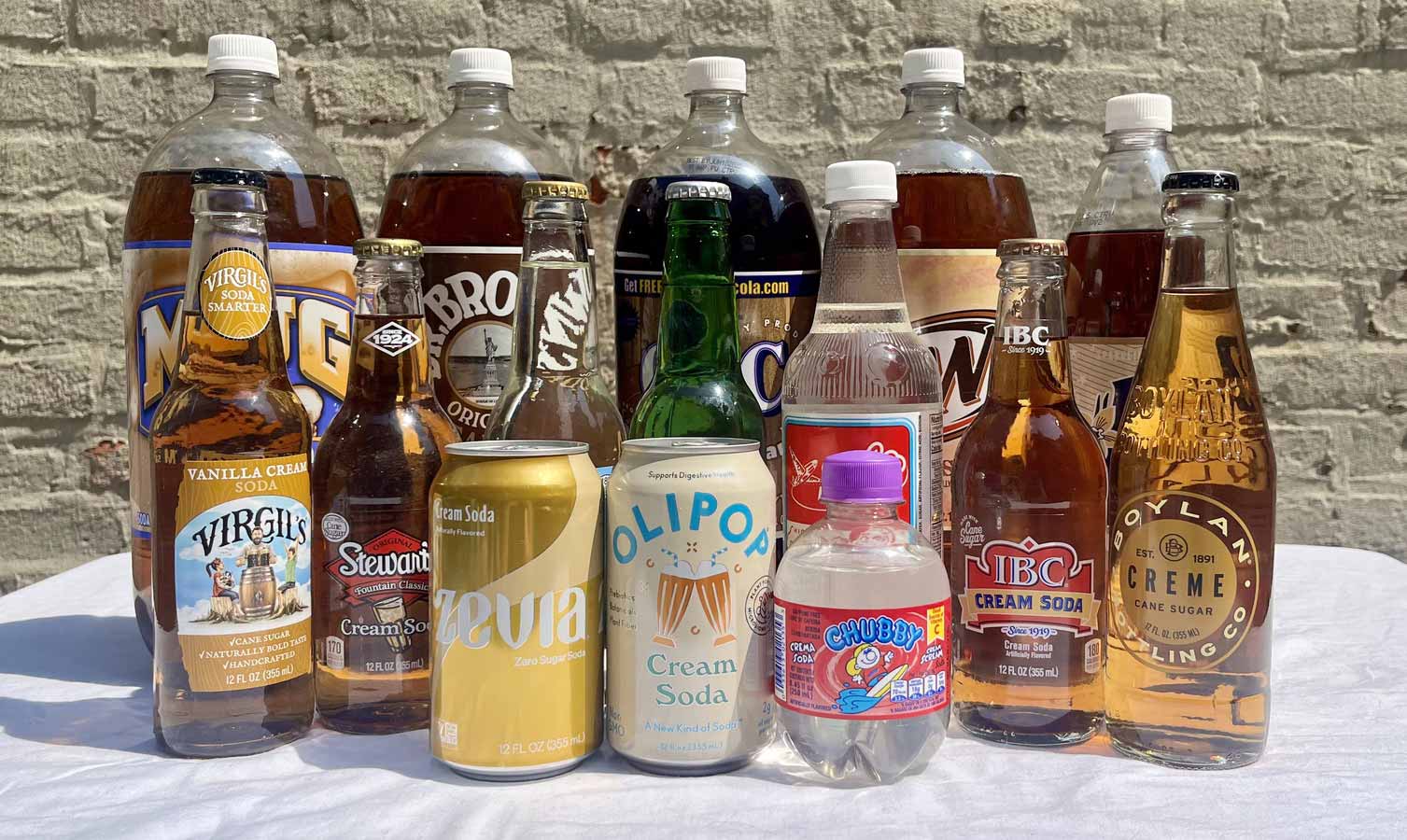
earliest known patents was filed in 1852. A man named James Walker of Virginia filed a patent for a "cream soda beverage." Early versions often included sodium bicarbonate. This ingredient created a foamy, "creamy" head on the drink. That characteristic lent the drink its name. Over the 20th century, major brands popularized their own interpretations. Brands like A&W, Barq's, and Faygo became famous. They solidified cream soda's place in the American collection of classic soft drinks. |
|
Cream Soda in the Modern Beverage Landscape
|
|
Today, cream soda holds a distinct position. It is often associated with indulgence and with mixology, the art of making mixed drinks.
The Sugar Question: Consumers often wonder, what soda has the most sugar? Cream soda frequently ranks near the very top. Its unabashedly sweet profile relies heavily on vanilla's partnership with sugar. It can contain upwards of 50 grams of sugar per 12-ounce serving. This places it among the most decadent of mainstream soft drinks. |
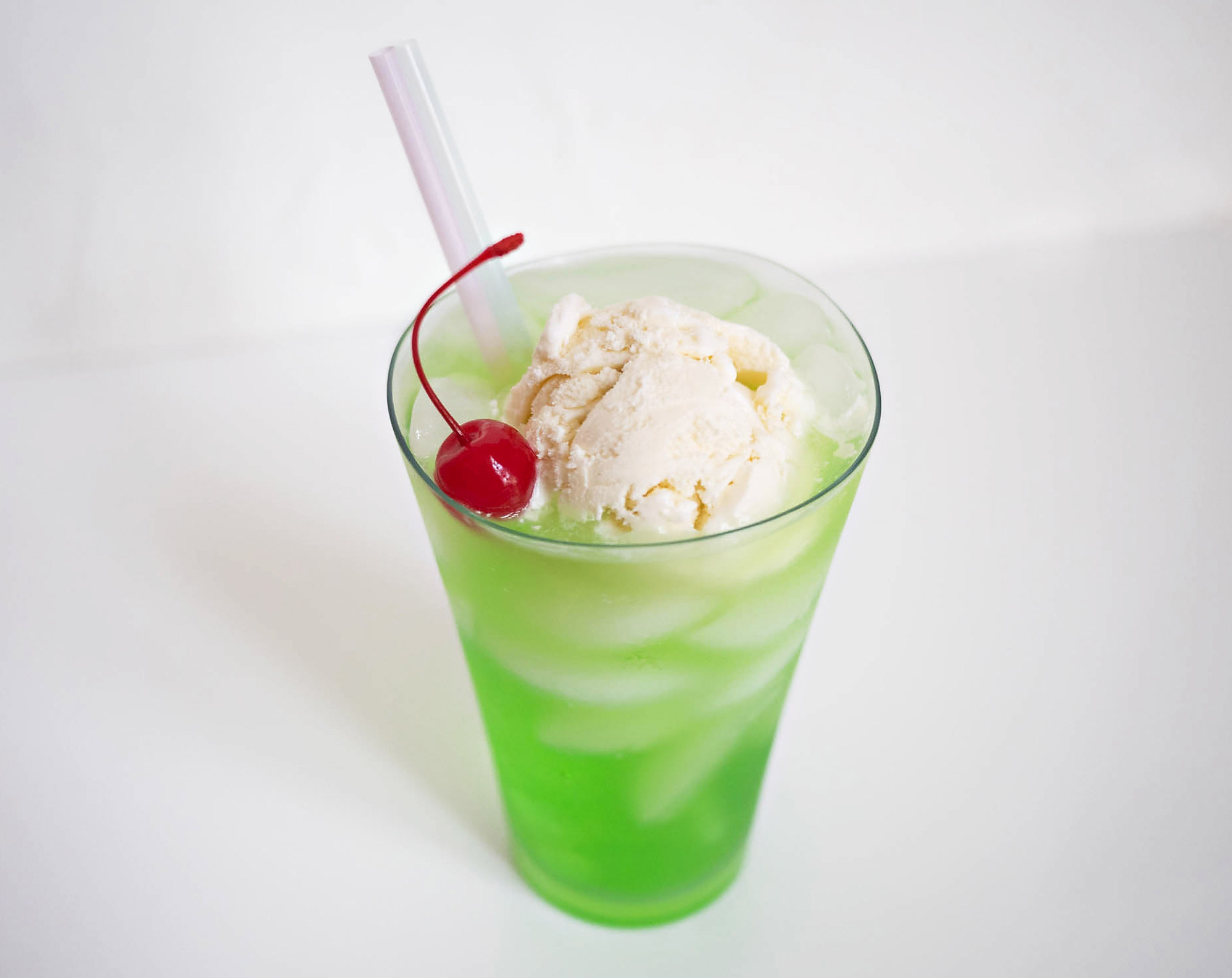
The Caffeine Exception: Unlike many brown-colored sodas, most traditional cream sodas contain no caffeine. This makes them a popular choice for people who wish to avoid stimulants. Those seeking an energy boost would look for a soda with most caffeine. They might choose certain colas or citrus-based energy drinks, which are in a different category entirely.
|
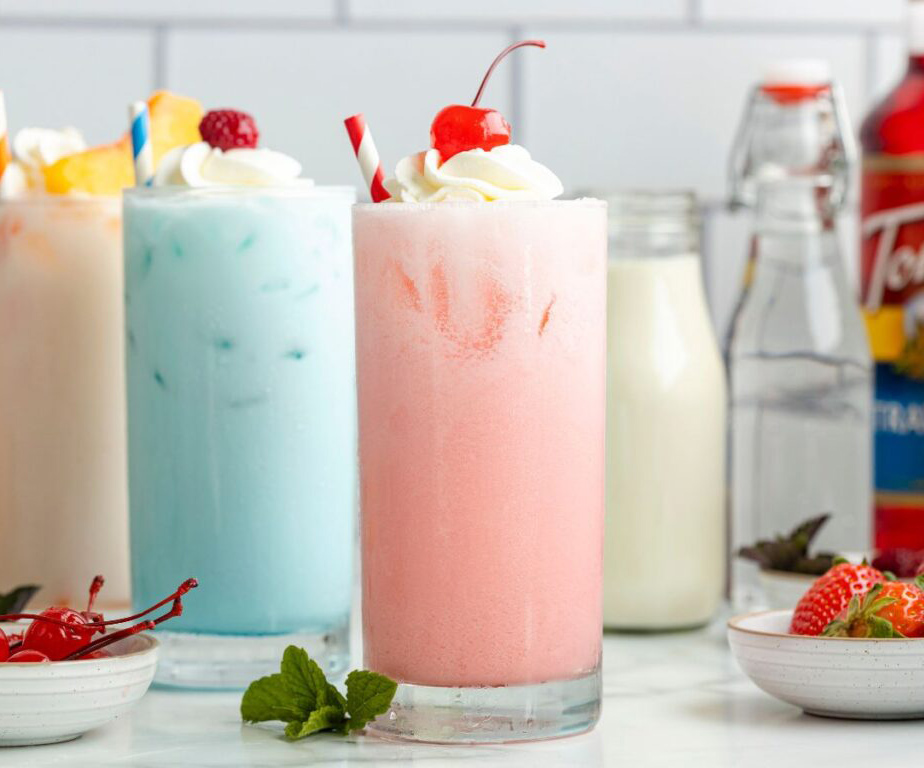
A Mixologist's Dream: Cream soda's robust vanilla foundation makes it a fantastic mixer. This brings us to a contemporary trend: the question of what is dirty soda. This popular mocktail originated in the Western United States. It often uses cream soda as a perfect base. Learning how to make dirty soda frequently involves "dirtying" cream soda. You add ingredients like coconut syrup, a splash of lime juice, and a float of half-and-half. This creates a rich, complex, and dessert-like drink. Cream soda's inherent sweetness and vanilla notes provide an ideal canvas for such creative customization. |
|
Why We Love It: The Enduring Appeal
|
|
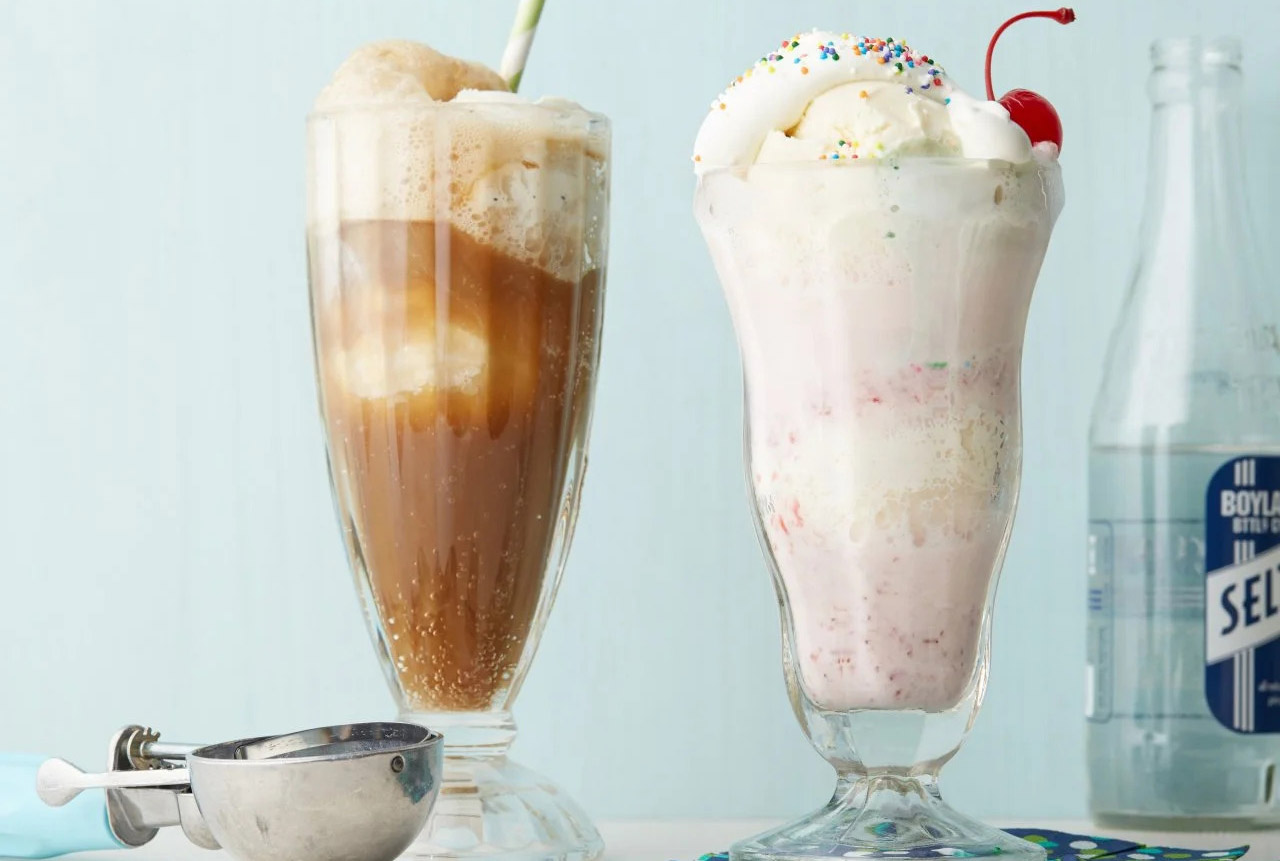
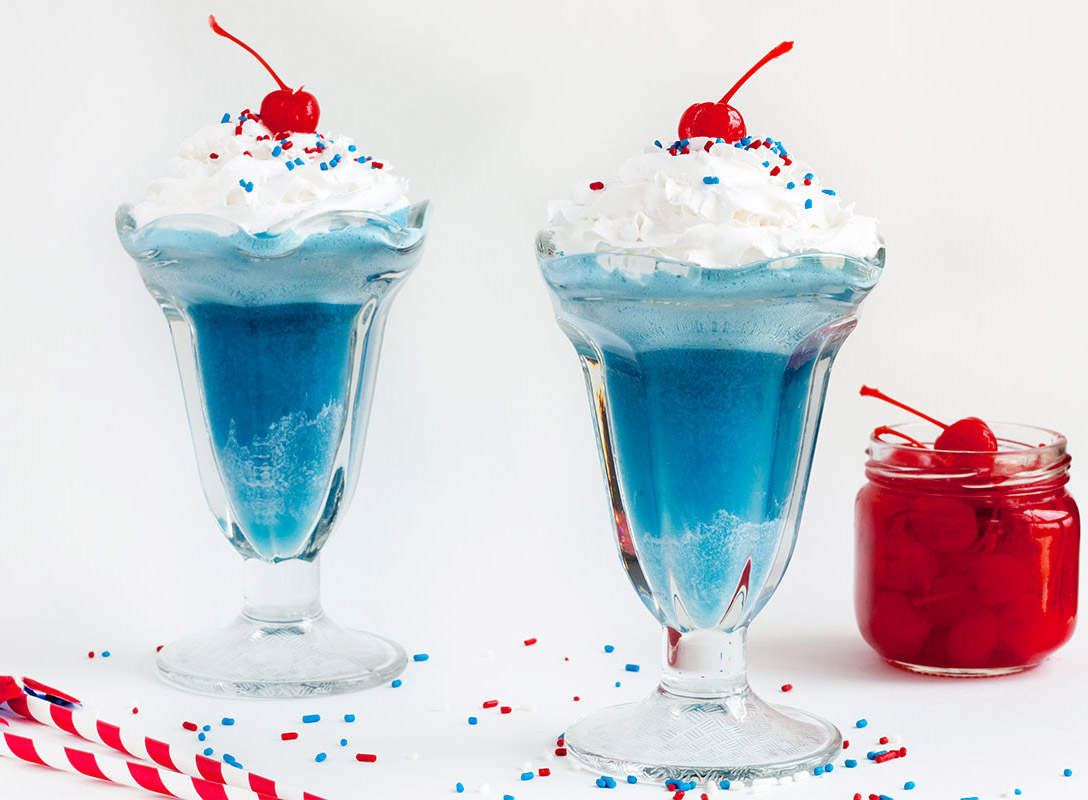
Cream soda's popularity persists for several clear reasons. Its caffeine-free formula makes it a family-friendly option. Its pronounced, comforting flavor profile stands out in a sea of citrus and cola flavors. Furthermore, it serves as a key ingredient in many culinary creations. People use it in ice cream floats and even in barbecue sauces. It represents a purer, simpler era of soda fountain innovation. Yet it remains completely relevant in today's era. Today is an era of customization and bold flavors. |
Conclusion: More Than Just a Soda
So, what is cream soda? It is a flavor archetype. It is the very essence of vanilla captured in fizzy, liquid form. It is a historical artifact from the dawn of American soda fountains. It is a testament to industrial consistency, made possible by the modern soda filling machine. And it is a versatile player in the drink world. It is equally at home in a child's lunchbox. It shines as the star of an indulgent ice cream float. It acts as the foundational base for a creative dirty soda. From its ambiguous 19th-century origins to its current status, cream soda remains a uniquely sweet and smooth pillar of the soft drink world.