What Was the First Soda? A Bubbly Journey Through History
Retail shelves hold countless soda products with bright colors and rich flavors in modern life. People see many different brand choices every day. People often think about the early start of this common drink. People ask what was the first soda in human history. This question takes readers back to an old time. Large factory production did not exist in that era. Business brand design was not a common concept. People had no idea about cola and cream soda drinks. The real origin dates back to the late 18th century. One inventor, simple mechanical tools, and a clear life need pushed the birth of the first soda. People wanted to copy natural spring water with natural bubbles in daily life.
The Birth of Carbonation: The First Soda Ever Made
|
|
|
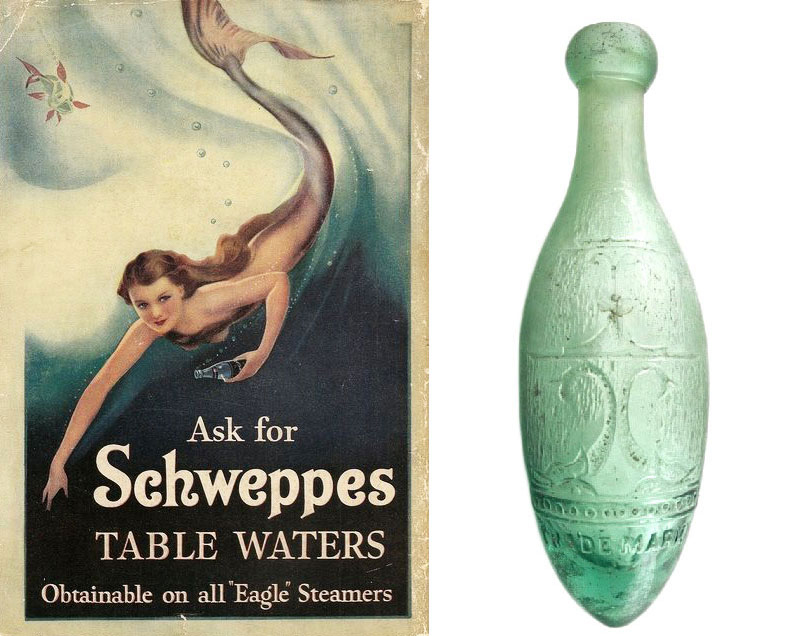
People need to learn the origin of carbonated water first. People can then find the real answer to what was the first soda ever made. A British chemist named Joseph Priestley finished a key experiment in the 1760s. He placed a water bowl above brewing beer barrels. This method let carbon dioxide mix into clean water. He named this simple production method air infusion for daily water. He recorded the light sour taste of this bubbly water in his research notes. A Swiss craftsman and amateur scientist made further progress in 1783. His name is Johann Jacob Schweppe. He used compression
|
pump tools to create stable carbonation work steps. He set up the official Schweppes brand after technical improvement. He started to sell handmade carbonated mineral water to common buyers. This drink became the first commercial soda in human records. It only used pure carbonated water. Sellers promoted this drink with natural health value as the core selling point.
This early fizzy drink had no extra additives in its formula. It held no sugar elements and no caffeine ingredients. It carried no artificial flavor materials. Its only two basic components are clean water and stable gas bubbles. This simple drink laid the foundation for all later soda products. It started a long-term development trend for the whole beverage industry.
From Medicine to Beverage: The Evolution
Professional pharmacists and business operators made new attempts in the 19th century. They added natural flavor materials into carbonated water day by day. They held a clear view on product value. They thought bubble components could help human bodies absorb medical ingredients fast. Workers created the first fixed soda fountain device in 1832. Local pharmacy stores slowly turned into public social spaces. People gathered in these shops to drink fresh bubbly drinks in free time. New taste choices appeared in the market step by step. Common options included sarsaparilla, fresh ginger and fresh lemon flavors. The first batch of cola drinks entered public view in the 1880s. The original core soda product still kept its basic formula. Pure carbonated water remained the earliest soda choice in history.
The Industrial Backbone: The Soda Filling Machine
|
Soda drinks won more market favor as time passed. The whole industry faced new production demands. Factories needed stable work standards and large-scale output capacity. Workers developed the professional soda filling machine to meet market needs. This equipment can finish raw material mixing, liquid filling and bottle sealing in one line. Modern soda filling machines keep high working speed in daily operation. They can process
|
|
|
thousands of packaging containers each hour with stable precision. Every finished soda bottle keeps balanced bubble
content and unified flavor taste. This key mechanical equipment changed the small pharmacy drink into a worldwide
mainstream industry.
Clarifying the Bubbles: Club Soda vs. Soda Water
Most buyers feel confused about common clear bubbly drinks in daily shopping. People often mix up two similar products. People wonder is club soda and soda water the same item on the market. The two drinks have clear differences in raw material collocation. Soda water also uses the name seltzer in many areas. Workers only add pressure to pure water to form gas bubbles. It has no extra mineral additives inside the liquid. Club soda is also a kind of carbonated water. Factories add mineral salt ingredients into club soda. Common added materials include sodium bicarbonate and potassium sulfate. These mineral components bring light salt taste and natural mineral flavor. Both drinks come from the first pure carbonated soda formula. Many buyers also care about sugar content in daily selection. They ask does club soda have sugar in production. Pure club soda carries no sugar and no calorie elements. It acts as a safe and healthy daily drink option.
Does Soda Go Bad? Shelf Life and Storage
|
|
|
People drink classic cola or light seltzer products in daily life. Drink storage time becomes a real daily concern. People will ask does soda go bad after long placement. Soda will not cause health risks from food spoilage. Low acid value, stable gas structure and lack of bacterial nutrition stop harmful bacteria growth. Soda cannot make people sick after long storage. Drink quality will drop slowly with extended storage time. Internal gas bubbles
|
will leak out gradually. Flat liquid loses the unique drinking texture of soda. Original drink flavors will fade and lose fresh taste. The best by date on each packaging marks the best tasting period. This label does not represent a dangerous safety limit. Old soda remains safe for human consumption. It just cannot present the original flavor and drinking experience.
The Caffeine Contenders: Which Soda Has the Most Caffeine?
Soda products broke the single water formula in the evolution process. Brands added caffeine ingredients to enrich product features. Modern buyers often compare ingredient data. They focus on which soda has the most caffeine per serving. Caffeine content shows clear differences across different soda types. A 12-ounce canned classic cola holds 34 to 45 milligrams of caffeine. Mountain Dew products contain around 54 milligrams of caffeine in the same portion. Functional soda drinks have higher caffeine content. Jolt Cola reaches 72 milligrams per serving. Vault and Surge series products also keep strong caffeine formulas. Individual energy soda products break the 100-milligram limit in one serving. The first soda in history kept a simple formula. Early pure carbonated water never added caffeine in production.
A Word on Cream Soda
|
Cream soda stays as one classic favorite soda type for many buyers. People want to know core features of this drink. People ask what is cream soda in the beverage market. It is a soft drink with fixed vanilla flavor. The product has sweet taste and smooth mouth feel in drinking. Many buyers avoid stimulant ingredients in daily diet. They check is cream soda caffeine free in product labels. Most traditional cream soda formulas remove caffeine components. Classic brands like A&W and
|
|
|
Barq’s provide fully caffeine-free cream soda. This drink has obvious flaws in sugar content. One 12-ounce canned cream
soda contains 40 to 50 grams of sugar. It belongs to high-sugar soda products in the market. Cream soda appeared much
later than the first soda. Pharmacists tried vanilla syrup mixing formulas in the late 19th century. This research work
promoted the official launch of cream soda.
The Modern Twist: What’s a Dirty Soda?
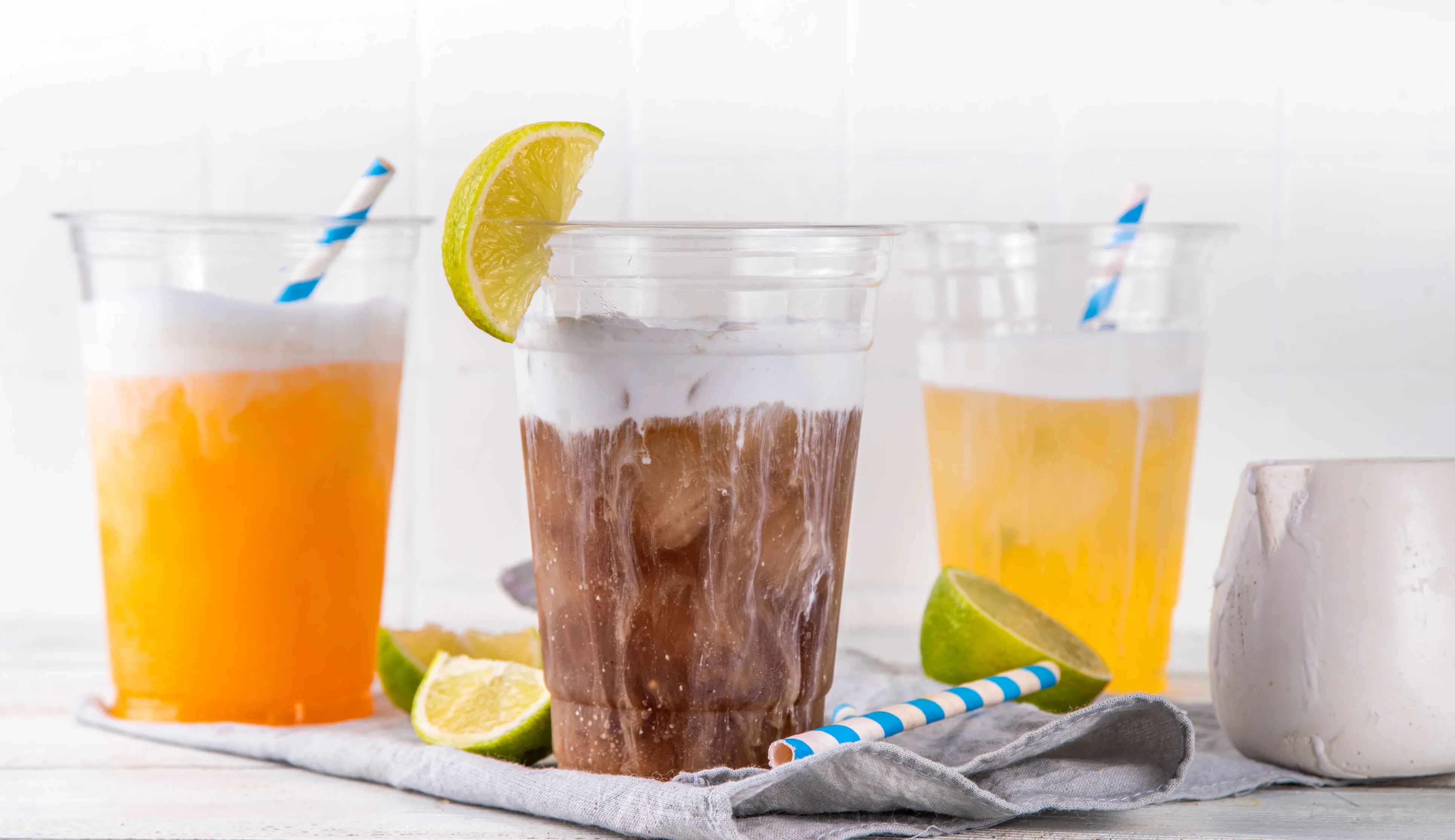
People cannot ignore new trend products when talking about soda development history. A new popular choice appears in the modern beverage market. Consumers ask whats a dirty soda and its special features. This drink is a non-alcoholic mixed beverage. Makers use classic soda as the base liquid. Common base choices include cola, root beer and lemon-lime
|
|
|
soda. Workers add flavored syrup, fresh cream and fruit juice for mixed adjustment. This drink first became famous in western American local areas. Dirty soda fully meets personalized taste needs for modern buyers. It has huge differences with the simple formula of the first soda. Rich additives bring good taste experience. High sugar and high calorie limit daily drinking frequency. People can take this drink as an occasional casual choice.
|
From Then to Now
The soda industry achieved great changes from 1783 to modern times. The single cup of handmade bubbly water grew into tens of thousands of retail products. People find the clear answer of what was the first soda through historical records. Johann Jacob Schweppe created the first pure carbonated water. Early manual pump tools supported the original production. Modern soda filling machines upgrade production efficiency and product quality. This early invention drove the long-term growth of the global beverage industry. Buyers have rich and diverse choices right now. People can pick sugar-free club soda with clear ingredient facts, caffeine-free sweet cream soda or new trend dirty soda. Every drinking choice connects with a 240-year long soda development history. People can enjoy every bubbly drink with rational selection.