How to Make Soda: A Complete Guide to Crafting Your Own Fizzy Drinks
How to Make Soda: A Complete Guide to Crafting Your Own Fizzy Drinks
People can make soda at home. This work brings good results, and the steps are easy to finish. People may want to pick raw materials by themselves, make new tastes, or get joy from self-made fizzy drinks. Everyone can gain creative ideas after learning soda making skills. This article talks about soda origin, basic production principles and clear operation steps. People can make tasty carbonated drinks right in their own kitchen with this guide.
A Brief History: The First Soda Ever Made
|
People need to know soda origin before they start making this drink. The earliest soda was not sweet cola or fruity mixed drink. It only contained carbonated water. A Swiss inventor named Johann Jacob Schweppe found a stable way to add gas into water in 1783. He also set up the Schweppes brand. This simple fizzy water became the early form of all modern soda drinks. The whole global soda industry grew from this simple start. |
|
Understanding Your Carbonated Base
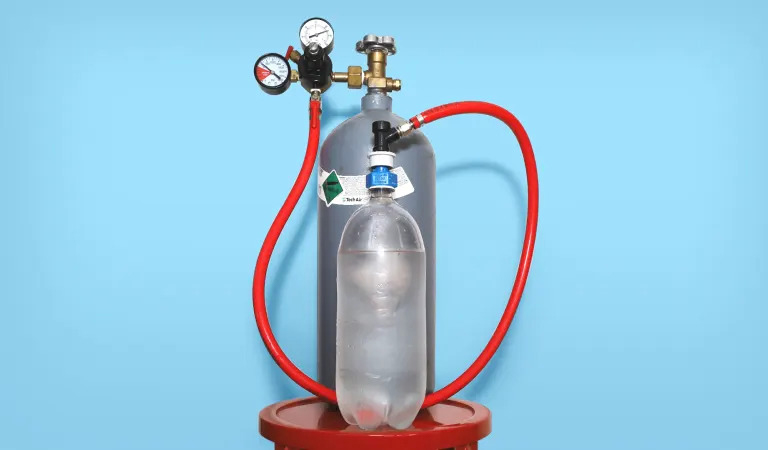
People need qualified carbonated water before they add different flavor materials. People can buy finished carbonated water from shops, or make it at home with simple air inflation tools. Many people mix up club soda and soda water in daily life. These two drinks are not the same. Soda water or seltzer keeps pure water and pressure gas, with no extra mineral elements. Club soda adds mineral salt such as sodium bicarbonate, and this material brings a light salty taste. Pure soda water fits home production better. It will not change the original taste of added flavor materials.
The Simplest Method: Syrup and Soda Water
|
|
New learners can use two raw materials to make soda in the easiest way. People first prepare flavored syrup. People add one cup of water, one cup of white sugar and favorite flavor materials like fresh fruit, plant herbs, spices or edible essence into a small pot. People heat the liquid to slight boiling and keep stirring till sugar melts fully. People leave the mixed liquid for 30 minutes to absorb flavor, then filter out solid leftovers. People wait for the syrup to cool down fully. People add ice into a cup first,
|
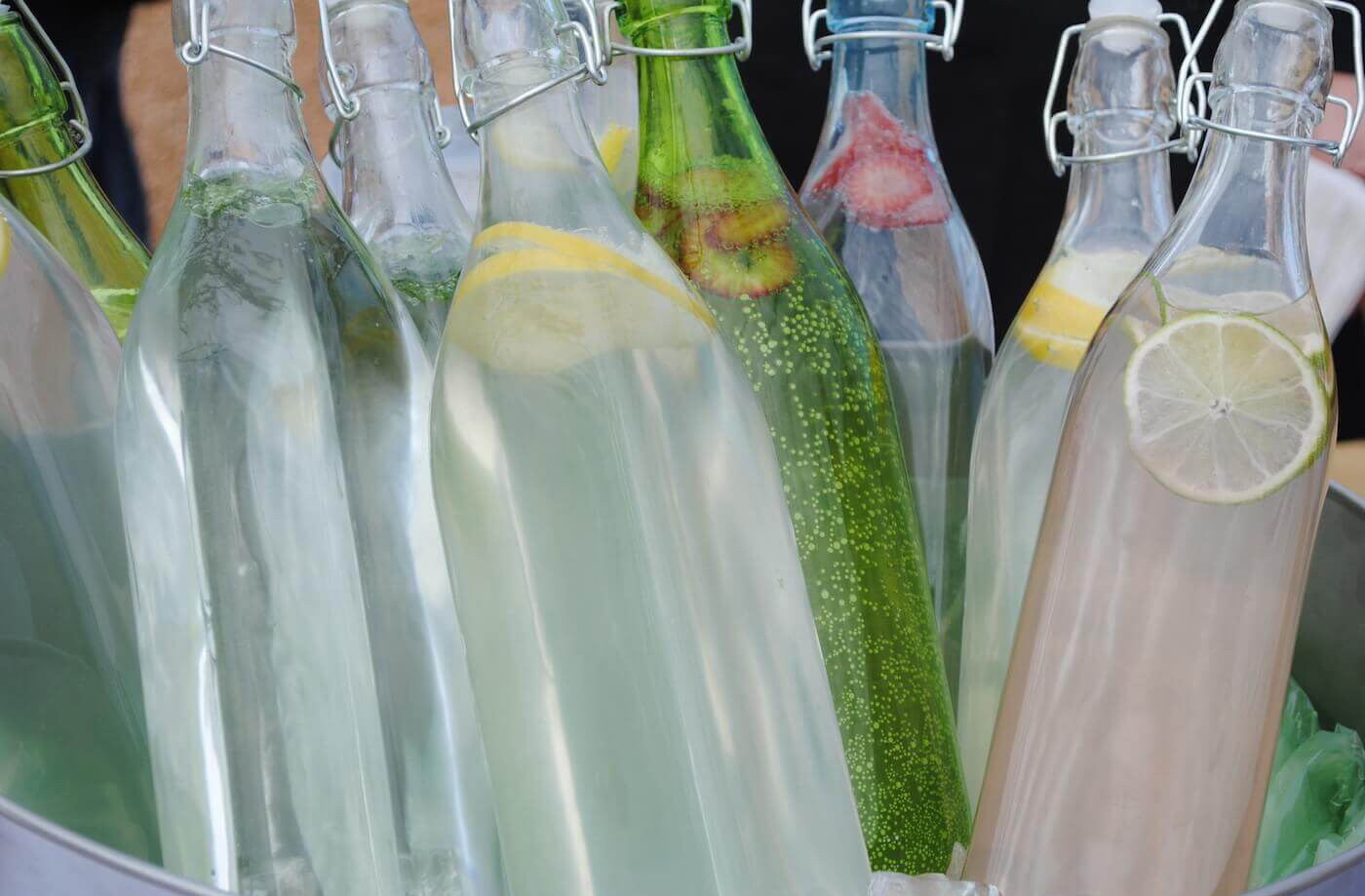
pour 1 to 2 ounces of cooled syrup, and add 6 to 8 ounces of cold soda water. Soft stirring can finish a cup of fresh homemade soda for direct drinking.
Popular Syrup Flavors to Try
People can try different flavor mixes after they master basic soda making steps. People can use vanilla beans or vanilla essence to make classic vanilla soda. Fresh ginger scraps work well for ginger soda production. Fresh berries or frozen berries can create rich berry soda. Plant herbs like mint, lavender and rosemary can make light herbal soda. People can add lemon, lime or grapefruit peel and juice to make fresh citrus soda. People have wide choices for taste matching. People can cut down sugar use, or replace sugar with honey, agave syrup and stevia powder to adjust sweet degrees as they like.
The Science of Fermentation: Natural Carbonation
People can try natural fermentation to upgrade their homemade soda making methods. This way uses active yeast to form
|
gas, and the making logic is close to traditional ginger beer. People prepare sweet tea or fruit juice as basic liquid. People add fermented raw ginger starter or a small amount of beer yeast, then put all liquid into sealed bottles. The yeast will eat sugar inside the bottle in 2 to 3 days under normal room temperature. This reaction creates carbon dioxide gas and makes natural fizzy soda. Drinks from this method have richer taste and light sour feeling. |
|
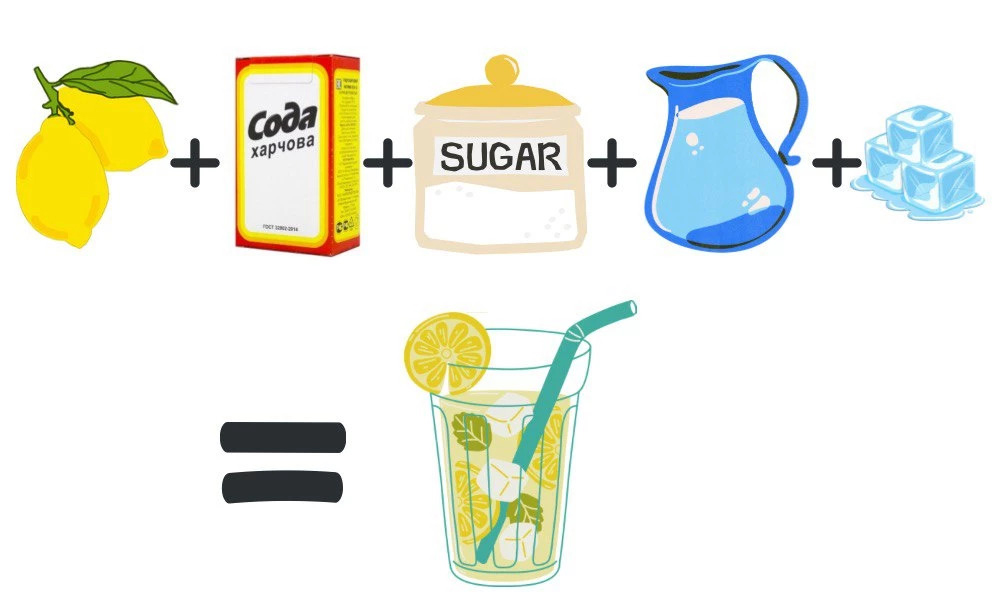
Commercial Production: The Soda Filling Machine
Home soda making only serves small single cups. Large-scale soda sales need professional production tools. The soda filling machine acts as key equipment for full bottling production lines. This machine can mix thick syrup and carbonated water in fixed proportion. It fills drink liquid into bottles or cans at high speed, and seals container openings fast to lock internal gas. The soda filling machine keeps unified taste and stable bubble content for every finished drink. Small handmade drink factories and large global beverage brands both rely on this machine for steady production.
Which Soda Has the Most Caffeine?
|
|
People will care about caffeine content when they try different soda products. Common canned cola contains 34 to 45 milligrams of caffeine per 12 ounces. Mountain Dew has about 54 milligrams of caffeine in the same weight. Classic Jolt Cola once had 72 milligrams of caffeine for each standard can. Some energy drinks marked as soda products have caffeine over 100 milligrams per serving. A normal cup of black coffee has
|
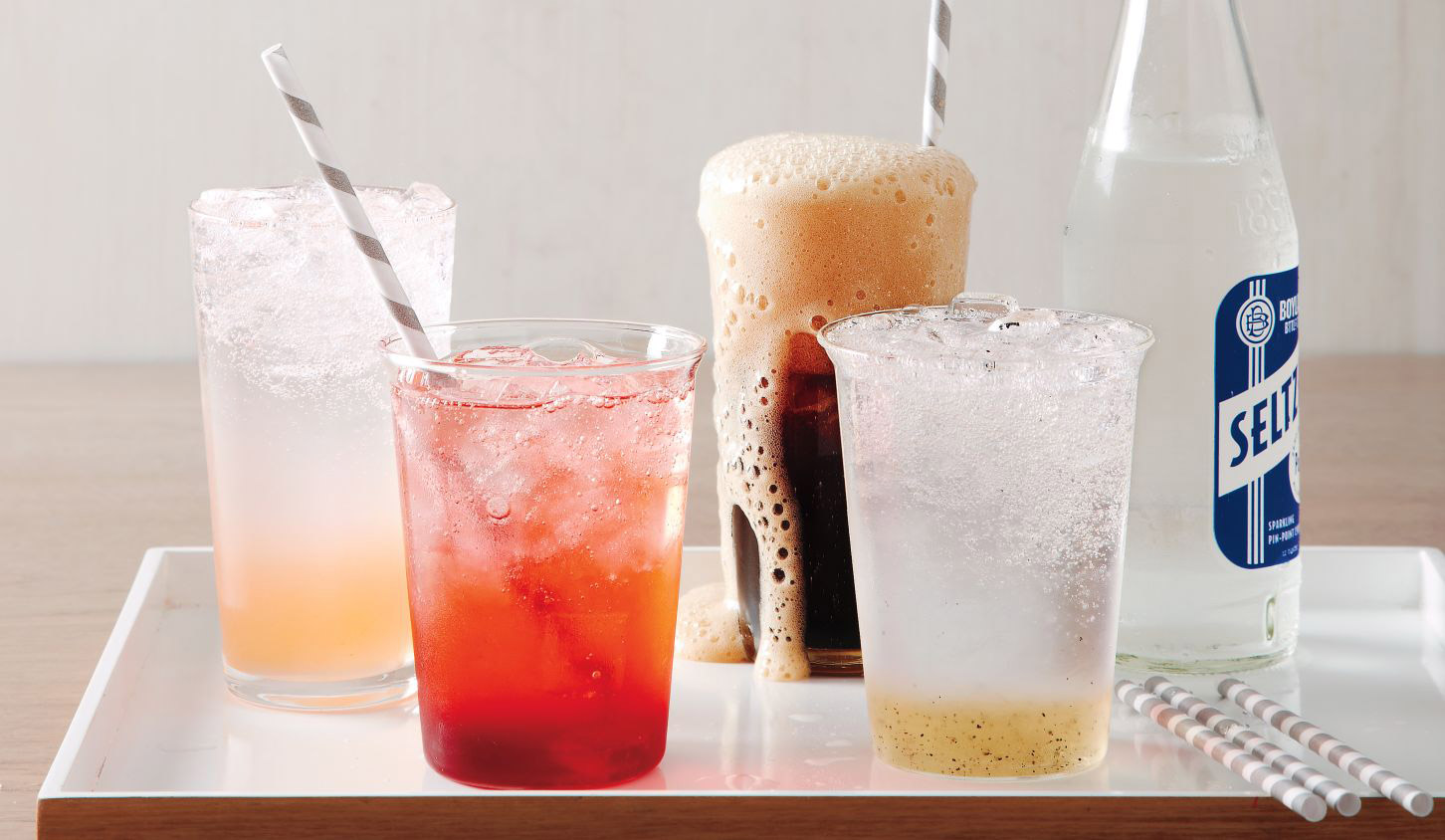
around 95 milligrams of caffeine for reference. People can choose to add tea extract or coffee essence or not when they make soda at home. They fully control caffeine intake by themselves.
Is Cream Soda Caffeine Free?
Cream soda keeps a special position in all soda types. Most traditional cream soda products have no caffeine inside. Well-known brands such as A&W and Barq’s, together with most supermarket general products, do not add caffeine in their cream soda. Vanilla acts as the main flavor, with extra light caramel or honey taste in most cases. This feature makes cream soda fit for kids and people who refuse caffeine intake. A small number of handmade and high-end cream soda products may add caffeine. People need to check product labels if they have special health needs.
Does Soda Go Bad? Understanding Shelf Life
Many users worry about storage time for homemade and store-bought soda drinks. Soda will not go bad and cause physical discomfort for people. The acid property, internal carbon dioxide and lack of bacterial nutrition slow down soda spoilage greatly. But soda overall quality will turn worse after long storage. Internal gas will leak out and make drinks flat. Original taste will fade and turn dull. The marked date on drink bottles stands for the best drinking period, instead of a safe use deadline. Homemade soda, especially drinks from natural fermentation, needs cold storage. People should finish these drinks in 1 to 2 weeks.
What Is Dirty Soda? A Modern Trend
|
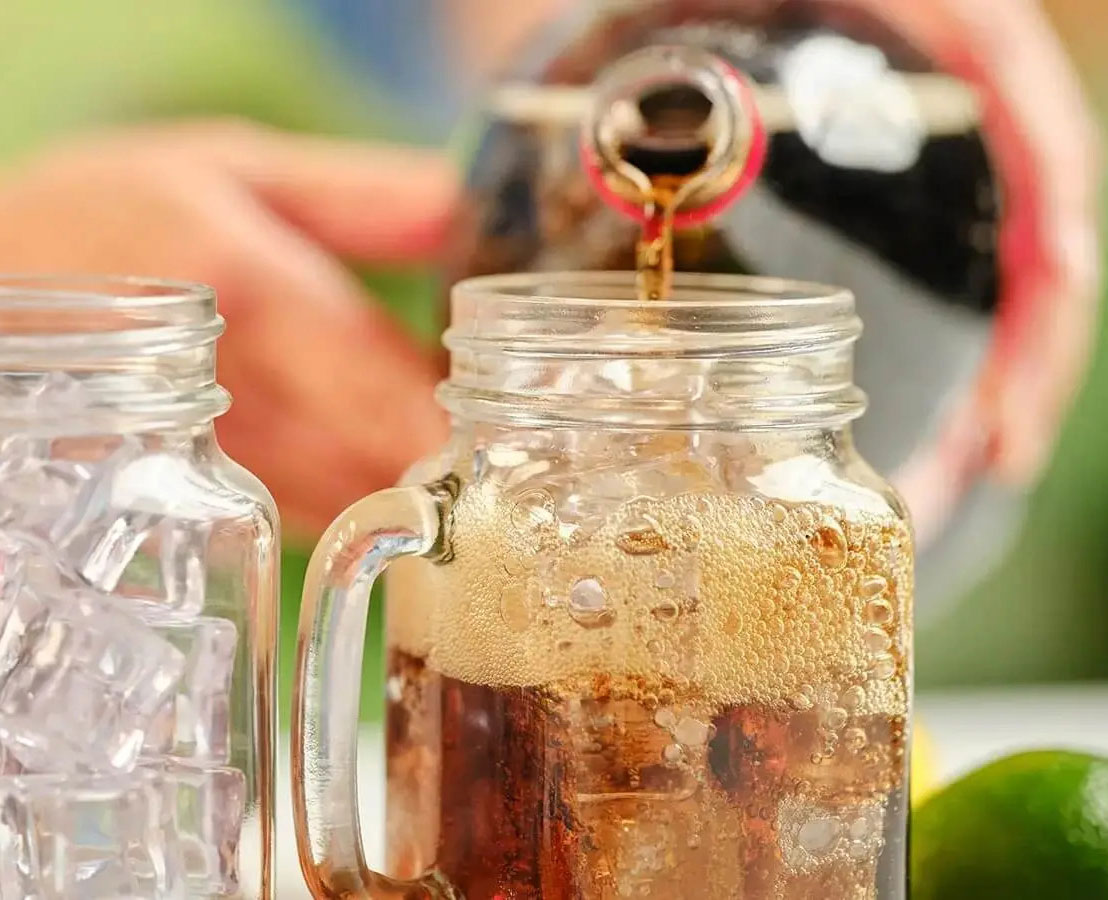
People need to know dirty soda to learn full soda culture and new trends. Dirty soda is a non-alcoholic mixed drink. It uses common soda such as cola, root beer and lemon-lime soda as base liquid. People add flavored syrup, fresh cream, fruit juice, and even decorative sugar grains and candy to adjust taste and look. This drink first became famous in western American areas. It supports free taste matching, and many local special takeaway shops sell this drink. Dirty soda tastes good, but it has high sugar and heat. People should drink it only on occasional time. |
|
Tips for Successful Homemade Soda
People can follow clear tips to make better homemade soda. People must wash and disinfect all production tools. This step stops bad bacteria and mixed yeast from ruining drink quality. People need to cool soda water in advance for syrup mixed soda. Low temperature can lock gas and keep lasting fizz. People use pressure-resistant sealed glass bottles for fermented soda to avoid bottle breakage. Room temperature affects fermentation speed, and the whole process may last 2 to 4 days. People should try new mixes bravely. Many popular soda tastes come from random creative collocations in daily making.
Conclusion: Your Soda, Your Way
People hold full control over raw materials, taste types and sweet degrees after they learn soda making skills. Soda starts from simple carbonated water, and now develops into rich product types. Creative design and cool refreshment stay as core features of soda all the time. People can make caffeine-free cream soda, try fermented production ways, or mix syrup and soda water for quick drinks. All these making steps are simple and easy to learn. Large beverage factories depend on soda filling machines for mass work. Home makers create drinks with their own hands and ideas. People can prepare raw materials, make carbonated water and start production right away. Every person can make their ideal cup of fizzy drink through simple steps.