What Is Soda? The Complete Guide to Carbonated Beverages
What Is Soda? The Complete Guide to Carbonated Beverages
Most people drink soda many times in daily life. People pick icy cola with fast food and fruity bubbly drinks at various parties, and soda shows up in nearly every life scene. People often pause and ask what is soda. The detailed definition carries abundant supporting facts. Soda counts as carbonated drink mixed with drinking water, sweet raw materials and flavor additives, and some finished products add caffeine or edible acid inside. Basic definition cannot cover all related content, and readers can find rich historical records, chemical principles and health discussions around this popular drink.
A Fizzy Origin Story
Readers check the development track first to fully figure out what is soda. Many learners ask when was the first soda made. English chemist Joseph Priestley finished this pioneering production work in 1767. He hung a water bowl above open beer fermentation barrels in local breweries, and the plain water absorbed carbon dioxide released from fermenting beer liquid. Priestley named this gas-containing water fixed air at that time.
Pharmacy workers across America and Europe started to add sugar and natural seasonings such as ginger, lemon and
|
|
birch bark into carbonated water from the 1830s, and these extra ingredients improved the plain drink’s bad taste. Early soda goods sold in pharmacies functioned as auxiliary medicinal drinks, and ordinary buyers trusted carbonated water could ease upset stomach discomfort. Modern large beverage factories install complete assembly lines with a soda filling machine, and these precise devices finish can filling and sealing work at fast hourly output.
|
Which Soda Has the Most Sugar?
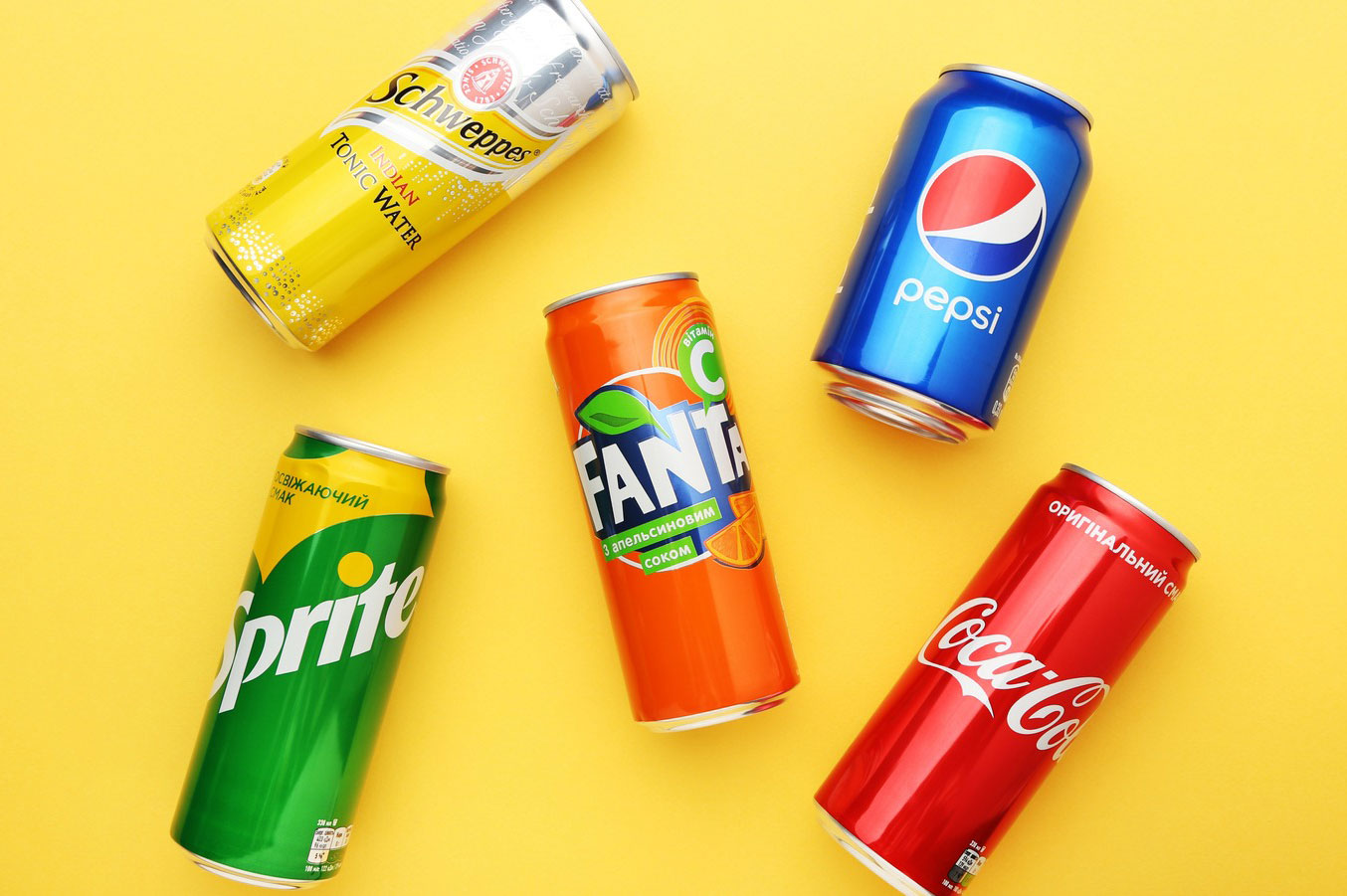
Different bottled soda carries totally different sugar proportion on supermarket shelves, and consumers keep searching which soda has the most sugar among mainstream market products. Regular Mountain Dew takes the top spot with roughly 46 grams sugar inside each 12-ounce single can, and the weight equals about 11 small teaspoons of granulated sugar.
American Heart Association sets clear daily intake standards to guide healthy diet, and adult men can take at most 36 grams added sugar every day while adult women limit intake within 25 grams. One single can of Mountain Dew already exceeds women’s full-day sugar allowance. Common Coca-Cola holds 39 grams sugar per can, Pepsi keeps 41 grams and Dr Pepper contains 40 grams for direct reference. A standard glazed donut only has 15 grams sugar, and drinking one can of this high-sugar soda equals eating three such donuts. Individual niche handmade soda adds more sweetener, yet Mountain Dew remains the highest-sugar option among widely circulated commercial soda brands.
Cream Soda: Flavor and Caffeine
|
Cream soda owns exclusive taste features and stands out from various soda types. People wonder what flavor is cream soda after seeing its product name. This drink never mixes fresh cream, milk or any dairy ingredients during production though its name includes cream. Workers use vanilla seasoning to make this carbonated drink, and finished goods taste sweet and smooth just like melted vanilla ice cream. Vanilla essence mixes evenly |
|
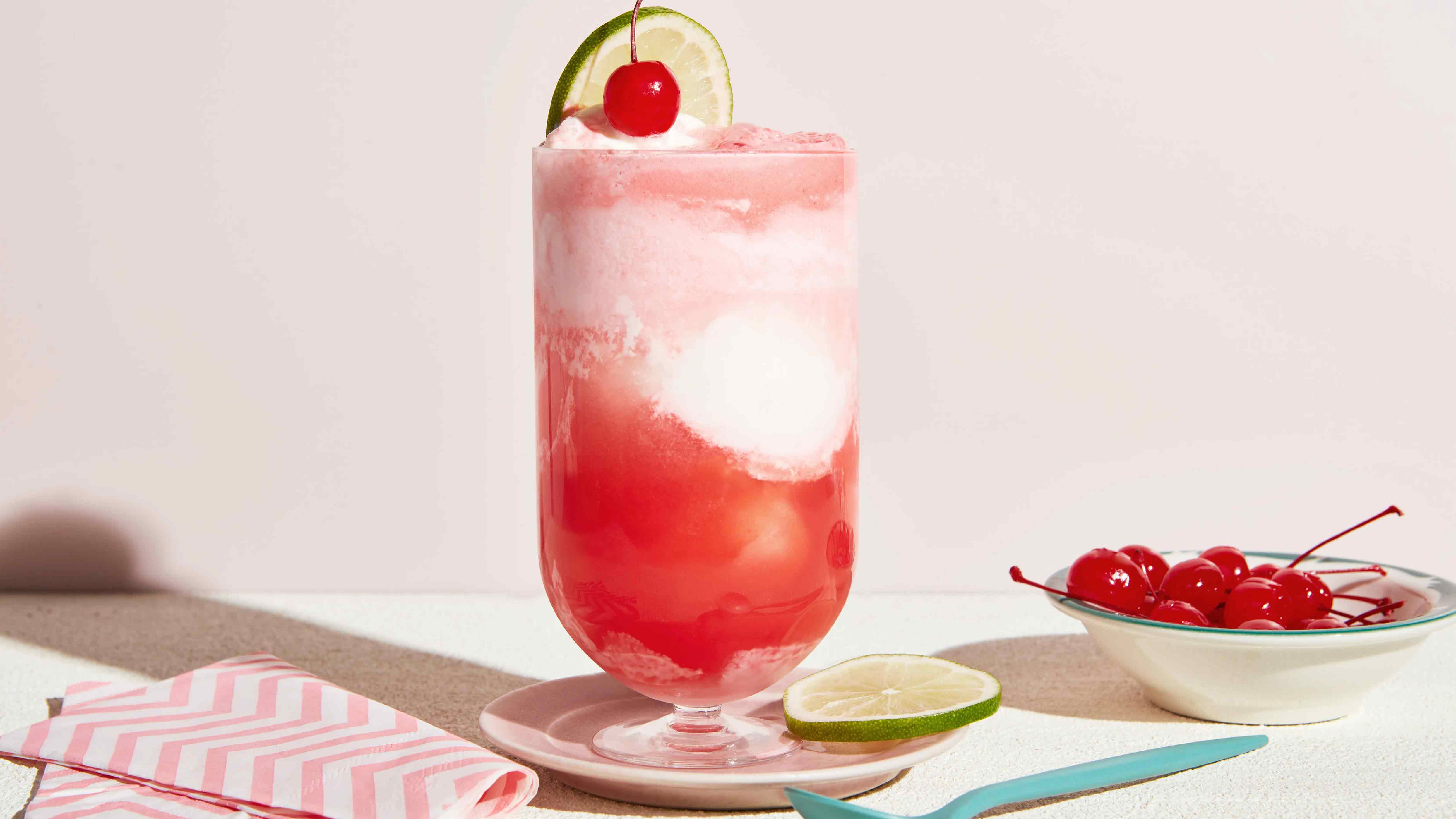
with dissolved carbon dioxide gas, and this chemical interaction brings the unique silky mouthfeel described as creamy by
most drinkers.
Consumers frequently put forward the question does cream soda have caffeine. Most classic cream soda products from
A&W, Barq's Red Cream Soda and IBC leave out caffeine completely. This feature makes cream soda fit for night drinking,
children’s daily refreshment and people who cut down stimulant intake on purpose. A few regional limited editions and
creative novelty cream soda add proper caffeine content, and shoppers need to read product labels carefully for caffeine
avoidance needs.
Does Soda Dehydrate You?
People pick cold soda to ease summer heat and supplement body fluid, and the practical question does soda dehydrate you gains wide discussion among ordinary drinkers. Readers need to analyze multiple influencing factors to get objective answers.
Caffeine inside partial soda brings mild diuretic effects, and this substance speeds up human urine discharge compared with plain drinking water. Soda still contains large volume of purified water as base raw material. Most healthy adults drink one can soda per day at moderate intake, and the water inside can make up for lost body fluid in total. A formal research finished in 2016 confirms proper intake of caffeinated soda will not trigger dehydration on healthy adult bodies.
|
|
Overconsumption of high-sugar regular soda pushes extra water into human intestinal tract because of excessive dissolved sugar, and this unusual body change creates slight fluid loss symptoms. The final conclusion stays clear for does soda dehydrate you. One single can brings no obvious dehydration risk, and plain water still ranks as the best daily hydration source for human bodies.
|
Is Diet Soda Better Than Regular Soda?
Nutrition lovers hold long-running arguments around is diet soda better than regular soda, and verified research data
helps sort out reliable judgment criteria.
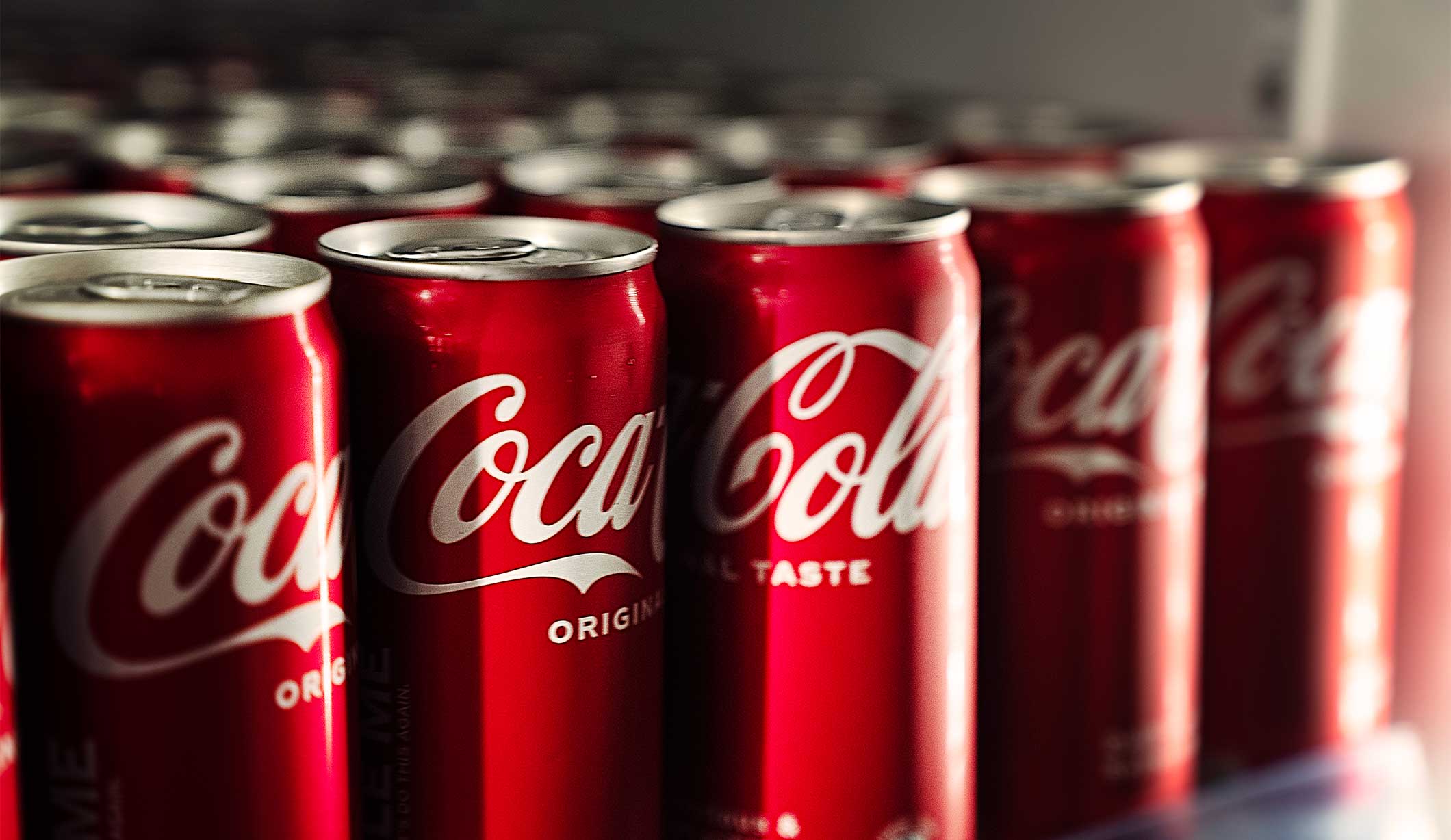
Regular soda loads plenty of added sugar and heat inside each single can, and one standard portion contains around 140
calories plus 39 grams sugar to raise risks of overweight, type 2 diabetes and fatty liver problems. Production workers
replace granulated sugar with zero-calorie sweeteners like aspartame and sucralose to make diet soda. Diabetic patients
gain stable blood sugar control from diet soda so this type works better for their physical condition.
Artificial sweetener triggers abnormal metabolic reactions inside human bodies. Human taste buds receive strong sweet
signals from diet soda, yet no matching calorie enters blood circulation afterward. This sensory mismatch drives people to
crave high-sugar solid food in later meals. Several long-term tracking studies link daily diet soda intake with increased
|
stroke possibility, and relevant research cannot confirm definite causal connection between the two conditions.
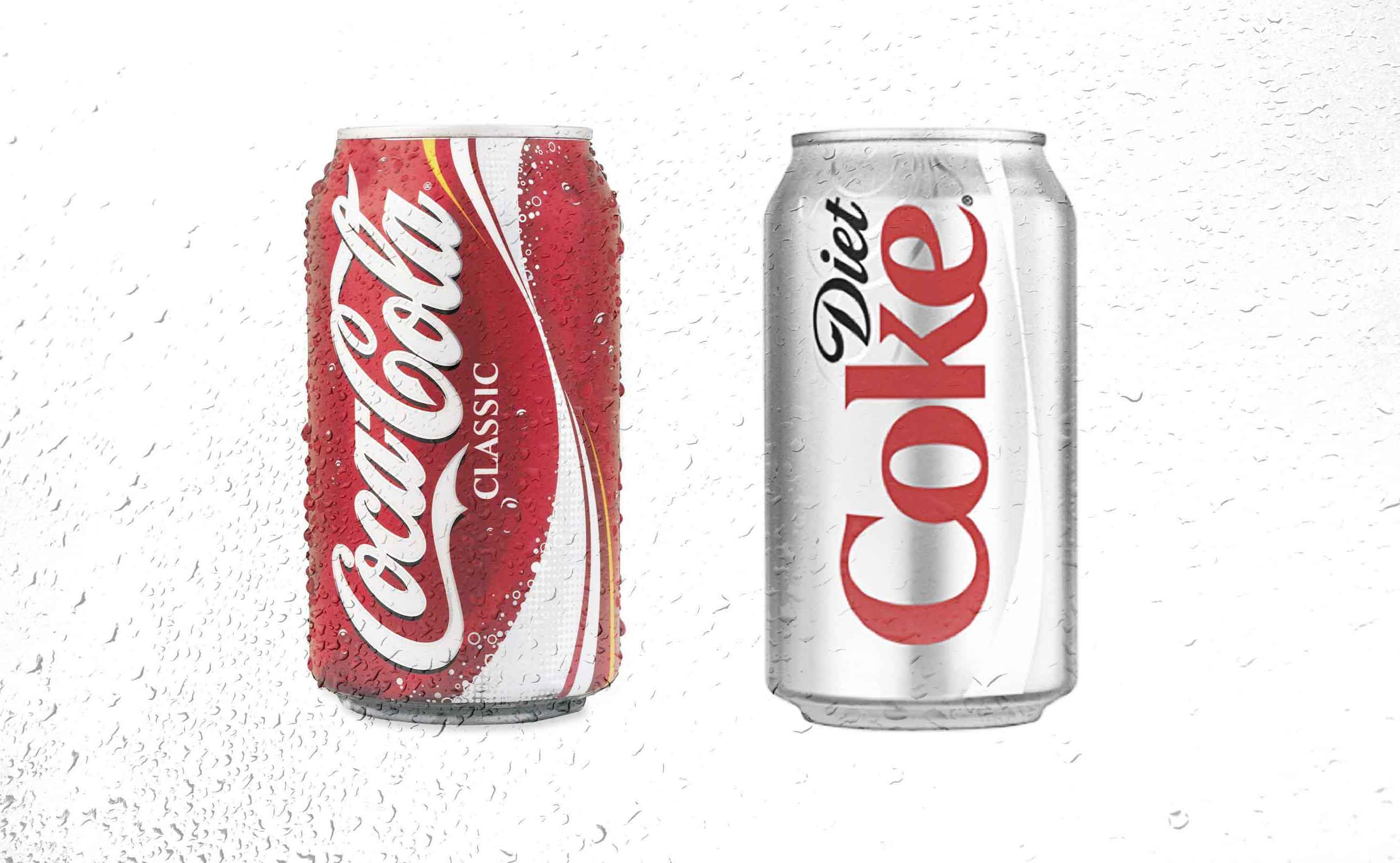
The answer of is diet soda better than regular soda changes for different crowds. Diet soda wins for diabetic groups, and healthy adults gain maximum health benefits from plain water or unsweetened sparkling water instead of either soda variety. |
|
How to Make Dirty Soda
People make dirty soda for casual enjoyment rather than health pursuit, and many netizens learn how to make dirty soda after this Utah-originated drink becomes viral across TikTok platforms. Local Mormon groups create this formula for alcohol-free dessert-style refreshment to fit their drinking customs.
Home cooks follow fixed steps to finish production when they learn how to make dirty soda at home. People fill a tall glass with full ice cubes first and pour 12 ounces selected soda including regular, diet, cola or cream soda options. Next add one to two tablespoons concentrated fruit syrup with coconut, vanilla, raspberry or caramel flavor. Drop a small amount of half-and-half or coconut cream into mixed liquid and stir all raw materials gently. Extra lime juice or tiny salt pinch works as
|
|
optional seasoning, and the finished non-alcohol drink delivers thick creamy dessert taste.
Home chefs switch to diet soda to cut added sugar content, yet added cream still brings extra calories into finished dirty soda. This sweet mixed drink suits occasional snack use and cannot turn into daily regular beverage. |
Commercial Production
Large-scale soda production relies on mature industrial manufacturing technology. A soda filling machine runs at high speed on automated assembly lines and completes 1500 cans of filling and sealing work every single minute. This precise equipment blends pre-carbonated base water with concentrated flavor syrup in fixed proportion then locks container opening to keep inner gas pressure stable.
Production workers adjust machine parameters for different soda formulas. Regular soda with granulated sugar owns thicker liquid texture, and thin low-viscosity diet soda requires cold filling craft to stop excessive bubble overflow during packing. Advanced beverage equipment supports convenient diversified soda purchase at roadside gas station convenience stores for all consumers.
Conclusion
Readers go back to the core topic and reconfirm what is soda after finishing full content reading. Soda evolves from early pharmacy medicinal tonic into global mainstream commercial carbonated sweet drink through long historical development. No soda product counts as healthy daily beverage, yet this popular drink builds important cultural meaning in modern social life. All drinkers control soda intake within moderate range and take plain water as primary daily hydration choice for long-term body care.