
Is Diet Soda Worse Than Regular Soda? The Full-Bodied Truth
Is Diet Soda Worse Than Regular Soda? The Full-Bodied Truth
Many health-focused soda drinkers keep asking a simple question. They want to know if diet soda is worse than regular soda. Regular soda delivers sugar and calories straight to the body. Diet soda uses artificial sweeteners to replace sugar, and it has no calories. This zero-calorie option looks really ideal. Most nutrition questions have no fixed answers. The actual result depends on intake amount, personal health state and comparison standards. We can learn basic science, development history and common market trends to know real facts of these two drinks.
A Brief History of Bubbles
People learn health influences first, then they can know soda better. Many people ask when was the first soda made. The answer dates back to 1767. English chemist Joseph Priestley mixed carbon dioxide into water and created the first man-made carbonated drink. In early 1800s, pharmacists added sugar and different flavors to make soda water taste better. The
|
|
first batch of commercial sodas came out in the 1830s. These early products used real sugar, natural flavors and a little caffeine. Modern production ways change greatly. A standard soda filling machine can fill and seal hundreds of cans every minute. It can measure sugar syrup or artificial sweeteners in accurate amounts. Workers set different working data on this device for diet soda and regular soda. Different liquid thickness will change the stable state of internal carbonation.
|

The Case Against Regular Soda
Regular soda mainly contains carbonated water, high-fructose corn syrup or cane sugar, edible acid, flavorings and
caffeine. One 12-ounce can of cola holds about 140 calories and 39 grams of sugar. If people drink one can every day,
they take in extra calories all year round. These extra calories will cause around 14 pounds of weight gain without proper
physical exercise. Excess intake of regular soda connects with type 2 diabetes, fatty liver illness and tooth decay. Sugar
feeds harmful bacteria inside people’s mouths, and phosphoric acid wears down tooth enamel directly.
Many people hold doubts about body water supply, and they often ask does soda dehydrate you. The answer has
|
different sides. Caffeine inside some sodas carries slight diuretic effects, and it makes people urinate a little more often. Even so, the water inside soda can still supply enough water for most people. A study done in 2016 proves proper soda intake will not lead to body dehydration. If people drink too much sugary soda, it will push water into intestinal tracts easily. This condition causes loose stools and mild body fluid loss. Plain water is still the best choice for daily body hydration. |
|
The Diet Soda Dilemma
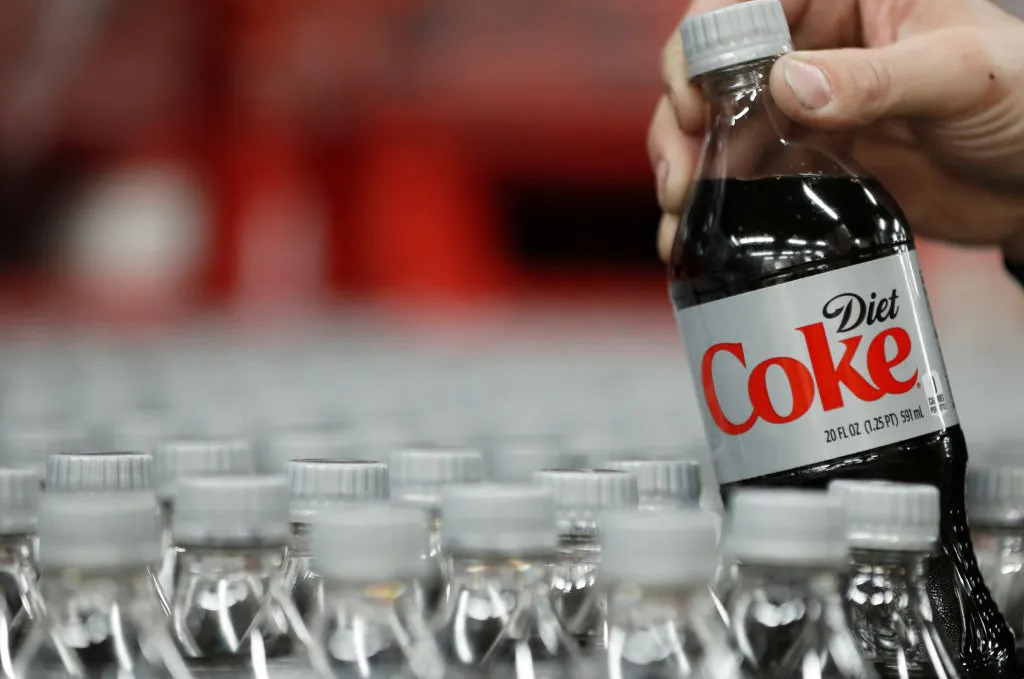
Diet soda uses zero-calorie sweeteners such as aspartame, sucralose and stevia to take the place of sugar. This choice fits people who want to lose weight or control blood sugar levels well. People still wonder if diet soda is worse than regular soda in certain situations. New research points out many hidden side effects. Artificial sweeteners can change human gut environment and cut down useful gut bacteria. Daily intake of diet soda may raise people’s risk of stroke, dementia and metabolic syndrome. These results only come from daily observation, and they cannot confirm definite cause and effect. Formal controlled trials show people who switch to diet soda can lose weight more easily. This effect works well as long as they do not eat extra high-calorie food in daily meals.
|
|
People also pay close attention to caffeine content. Many people want to find the soda with most caffeine. Most people think energy drinks take the lead in caffeine content. Among traditional sodas, diet versions carry equal or slightly higher caffeine than sugary ones. Diet Mountain Dew has about 54 mg caffeine per 12 oz, and common regular colas have roughly 34 mg caffeine. Manufacturers add extra caffeine into diet sodas on
|
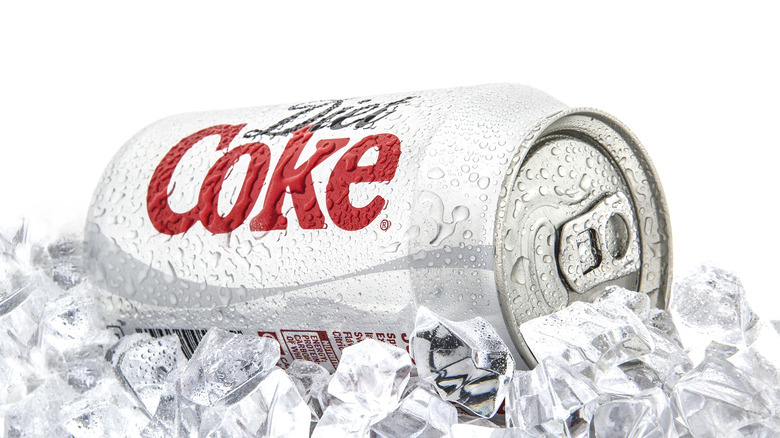
purpose. Artificial sweeteners cannot cover bitter tastes as well as real sugar does. People cannot lower daily caffeine intake just by choosing diet soda.
Cream Soda Confusion
All kinds of sodas have different caffeine contents. A common daily question is does cream soda have caffeine. Traditional cream soda is vanilla-flavored fizz drink with light golden or pink color, and it almost has no caffeine. Well-known brands like A&W, Barq's Red Cream Soda and IBC supply full caffeine-free cream soda products. Some small local or special cream sodas may add caffeine inside. People need to check product labels carefully before buying it. This caffeine-free drink becomes popular base material for various mixed drinks, and it is widely used to make trendy dirty soda.
How to Make Dirty Soda
|
This popular drink trend started in Utah and spreads widely across social media platforms. Many beginners want to know how to make dirty soda, and the whole process is easy to finish. First prepare a tall glass and fill it with ice cubes. Pour your favorite soda into the glass, and you can pick regular soda, diet soda or caffeine-free cream soda. Add one to two tablespoons of flavored syrup, and you can choose coconut, vanilla, raspberry or |
|
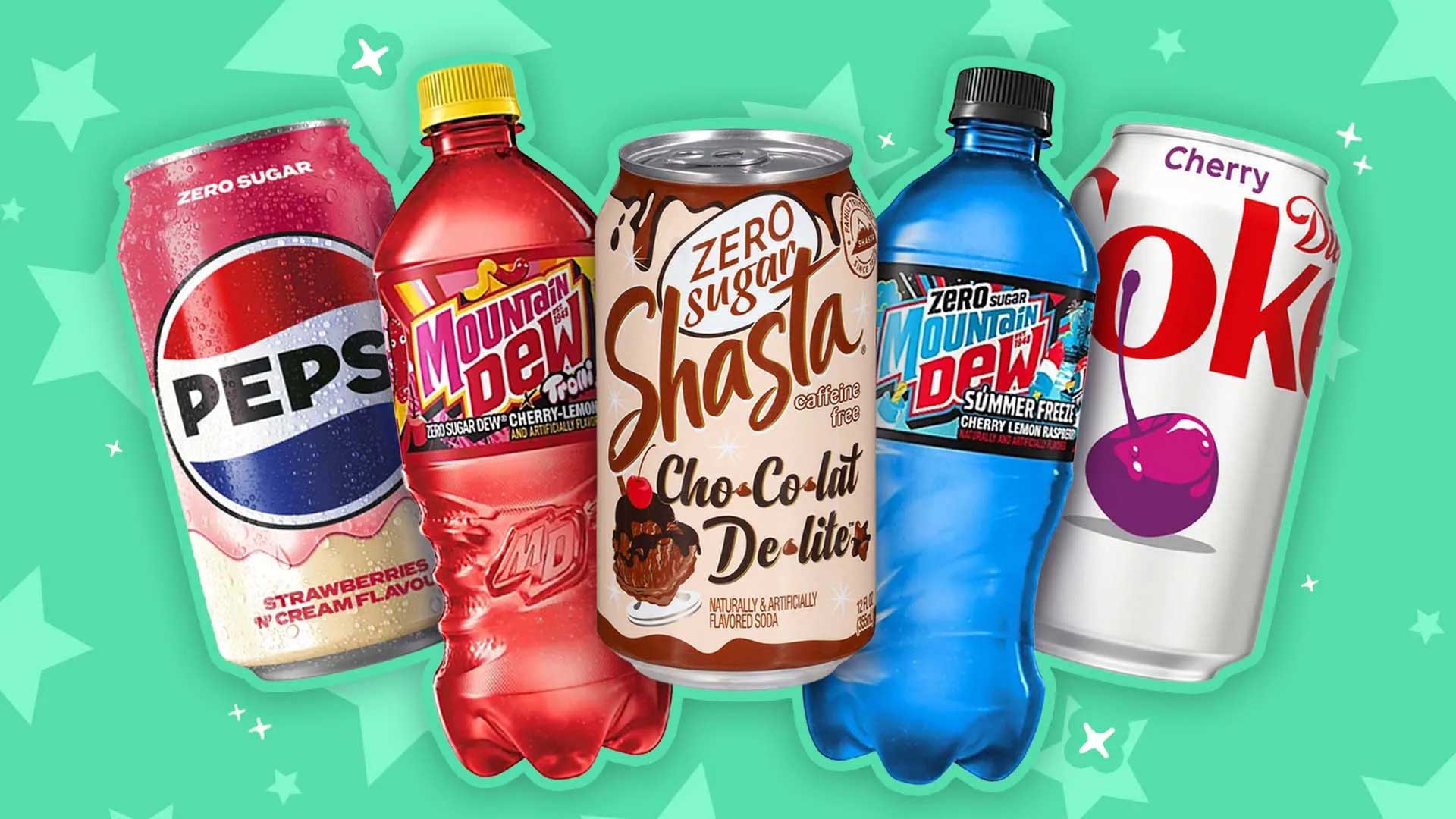
caramel flavor. Then finish the core mixing step. Pour a little half-and-half, coconut cream or add one spoon of non-dairy
creamer into the drink. Stir all raw materials slowly and gently. Some people add a little lime juice or tiny sea salt to adjust
overall taste. The finished drink tastes smooth just like dessert, and it contains no alcohol at all. Most professional soda
shops use the soda filling machine to get fully carbonated soda liquid before adding mixed materials. Cream mixing will
make soda lose bubble taste quickly. If you make dirty soda at home, you need to add cream in the last step and drink it
right away.
People can make healthier dirty soda with diet soda and a small portion of low-fat cream. People still need to know cream
brings extra calories and saturated fat. One cup of dirty soda made with regular soda and full cream can hold over 300
calories per serving. Its total calorie number is higher than one single can of pure regular soda.
The Hidden Factor: How Your Brain Responds to Sweetness
When people drink regular soda, internal sugar can activate dopamine related brain areas. These brain areas control personal desire and happy reward feelings. Diet soda affects human brain in a totally different way. Artificial sweeteners bring sweet taste without matching calorie intake. This situation will confuse people’s brains and raise later cravings for real
|
|
sweet food. People will discuss if diet soda is worse than regular soda from daily behavior views, and the answer tends to be yes. If diet soda pushes people to eat more extra food, all original calorie saving effects will disappear. If people choose the soda with most caffeine, they will easily get nervous mood and poor sleep quality. Bad sleep states will slow down human body metabolism indirectly. People need to value brain response just like valuing drink raw materials.
|
Putting It All Together
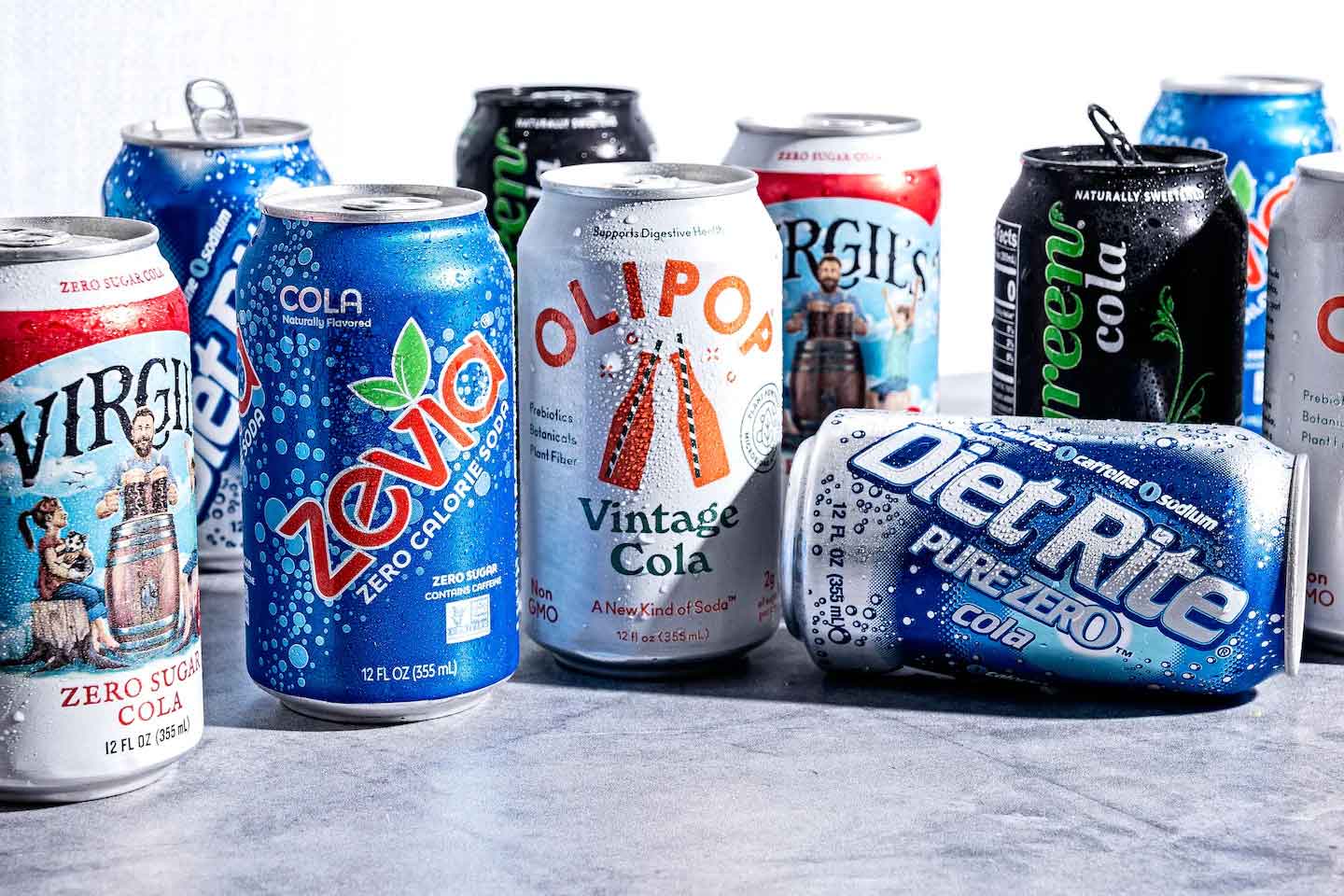
People sort out all related facts and get clear views. We go back to the core question: is diet soda worse than regular soda? Regular soda with high sugar brings bigger health risks to people with type 2 diabetes or prediabetes. Diet soda with artificial sweeteners is more risky for people with stroke history or sensitive gut conditions. Common healthy adults drink one can each day will face more direct metabolic harm from regular soda. In fact, neither of these two drinks belongs to healthy daily food.
We talk about body hydration once more, and people still ask does soda dehydrate you. Proper daily intake will not cause this problem. If people take soda as main daily drinking water, they will miss all health benefits from plain water. Many people like cream soda, and they often confirm does cream soda have caffeine. Most common types have no caffeine, so it is a nice drink choice for night time.
The most reasonable drinking rule is keeping moderate intake habit. People can see large-scale production scenes through the soda filling machine running at high speed. When it comes to personal physical health, personal rational judgment is always the most reliable choice.