Is Root Beer Soda? A Full Explanation of the Classic Drink
Is Root Beer Soda? The Complete Guide to This Classic Beverage
You crack open a cold root beer and take a sip. It’s sweet, creamy, and herbal, with hints of vanilla, wintergreen, and sassafras. Then someone turns to you and asks: is root beer soda? It sounds like such an easy question, right? But the answer pulls in old history, a little chemistry, and some definitions that might surprise you. We’ll walk through what root beer really is, how people make it, and go over a few common soda questions along the way.
The Short Answer and What Makes a Beverage a Soda
|
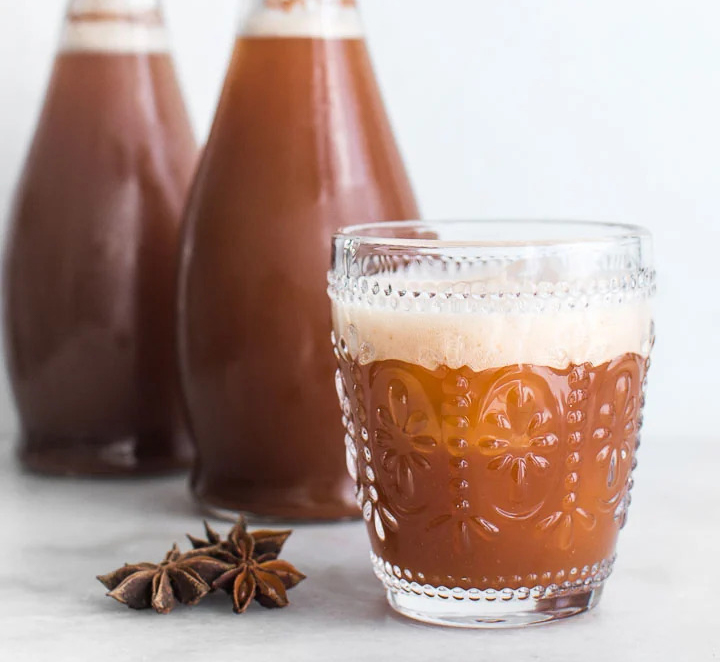
So, is root beer soda? Yep. Root beer counts as soda. It’s sweet, bubbly, and non-alcoholic, flavoured using roots, bark, herbs and spices. You usually drink it chilled, and it’s famous for that thick creamy foam and layered, complex taste. Using any normal way to define soda, root beer fits right in.
Before we lock that in, let’s talk about what soda even |
|

means. Soda is carbonated water, most of the time with sugar added, plus natural or artificial flavourings. Almost all sodas
are built from water, sugar or sweeteners, acids and flavour mixes. You might wonder, what is soda water? Soda water is
just plain carbonated water. It’s the base for every soda out there. Plain soda water has no sugar or flavour at all. Add
flavour and sweetener, though, and you’ve got soda. Root beer works exactly like that.
How Root Beer Is Made
Traditional root beer starts by simmering roots and bark in water, to make a strong, concentrated tea. Sassafras root bark is its most well-known ingredient, but sarsaparilla root gets used a lot too. Other flavour bits you’ll find are wintergreen, anise, vanilla, cinnamon, clove, and molasses.
Once that tea gets strained out, makers stir in sugar and dilute the mix with more water. Next comes carbonation — either by pumping carbon dioxide in, or a short yeast fermentation run. Mass commercial production uses precise gear. A soda filling machine packs cans and bottles quickly, sealing each one tight to hold the fizz and keep the flavour steady between batches.
The History of Root Beer
|
|
Root beer is tied deep into American history. Long before European settlers showed up, Indigenous communities used sassafras for medicinal uses. Those settlers picked up knowledge of the plant and started brewing drinks from it. The first written root beer recipe dates back to 1840, created by a Philadelphia pharmacist named Charles Hires.
Hires brought his recipe to market back in 1876, at the Centennial Exposition. He first called it “Hires Root Tea,” before switching the name to “Hires Root Beer.” He sold it as a gentle drink the whole family could enjoy. Going back to that original question: is root beer soda? Its story |
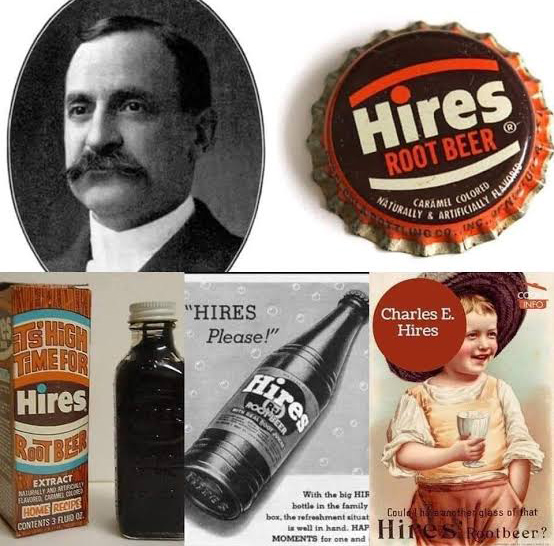
puts it squarely inside America’s soda tradition, the same space as cola and ginger ale.
Root Beer vs. Beer
Most of the confusion comes straight from that word, “beer.” Even with that name, store-bought root beer has no alcohol. It’s not brewed with malted barley. It doesn’t sit fermenting for weeks and weeks. It’s just a soft drink.
Homemade old-school root beer sometimes uses a tiny bit of yeast to build bubbles. That does make trace alcohol, usually less than 0.5 percent. That’s nothing next to real beer. Root beer is soda, not beer. The name just tricks people.
Root Beer vs. Other Sodas and Cream Soda
Root beer’s flavour doesn’t match any other soda out there. Colas lean on vanilla, cinnamon and citrus oils. Lemon-lime
sodas run mostly on citrus extracts. Root beer leans on roots and bark, which gives it that earthy, herbal kick. That creamy
foam you see comes from yucca extract or other foaming additives.
|
That unique taste doesn’t kick it out of the soda group, though. If anything, root beer often gets lumped with cream soda and ginger ale as classic American soda styles. While we’re here, what is cream soda? Cream soda is a vanilla-forward carbonated drink. Funny enough, it has no actual cream or dairy in it. The “cream” part describes that smooth mouthfeel vanilla and other flavourings create. Just like root beer, it’s sweet, non-alcoholic soda. |
|

What Is Dirty Soda?
There’s one newer soda trend worth covering. What is dirty soda? Dirty soda is a non-alcoholic mix, combining regular soda with flavoured syrups, cream, coconut, or fruit purees. It started in Utah and blew up all over social media.
The “dirty” label comes from adding cream or coconut cream, which clouds up the clear soda. People commonly use cola, root beer, or lemon-lime soda as the base. If you like root beer, a dirty root beer soda mixed with vanilla syrup and a little splash of cream tastes rich, almost like a dessert.
Club Soda and Its Ingredients
To wrap up our understanding, let’s look at a much simpler option. Club soda ingredients are usually carbonated water,
|
|
sodium bicarbonate, potassium sulfate, and sodium chloride. Those minerals give club soda a faint salty edge.
Club soda has no sugar and zero calories. A lot of people use it as a drink mixer, or as a lighter swap for sweet sodas. It’s nothing like root beer, which is sweet and flavoured with roots and spices. Even so, both sit under the big soda umbrella. |

The First Soda Ever Made
To see where root beer fits in the bigger picture, let’s go back to soda’s very beginning. The first soda ever made wasn’t cola, and it wasn’t root beer. In 1767, an English chemist called Joseph Priestley figured out how to dissolve carbon dioxide into water. That was the first man-made carbonated water.
By the 1830s, pharmacists started adding sugar and flavours to that bubbly water. These early sodas were sold as medicinal tonics. Root beer came along a bit later, mid-1800s, built on that same carbonated water idea.
Nutrition, Health, and Commercial Production
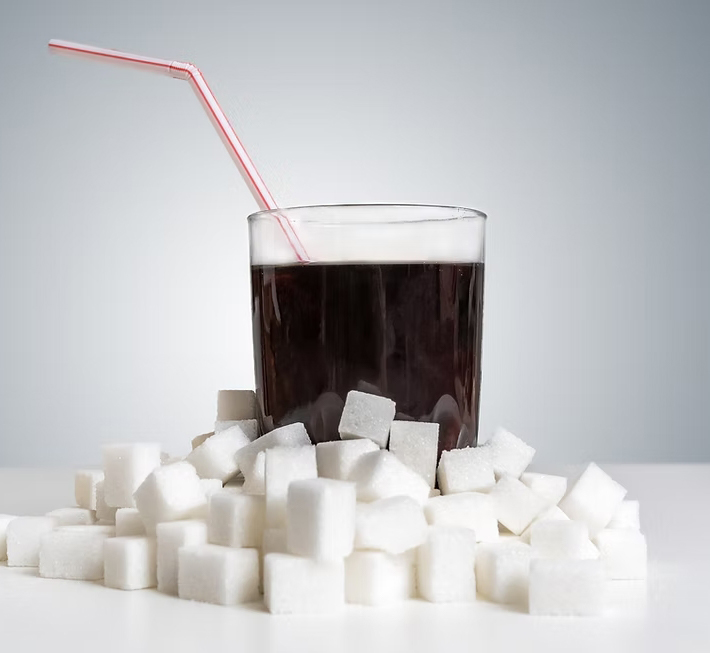
Root beer, like most sodas, carries sugar and calories. A standard 12-ounce can holds roughly 40 grams of sugar and 160
calories. Diet root beer uses artificial sweeteners instead, with no sugar at all. Root beer also has acids that can slowly
wear down tooth enamel over time. Treat it as an occasional sip, not something to drink every single day.
|
Today’s mass root beer production relies on careful, controlled manufacturing. A soda filling machine makes sure every bottle and can gets the right ratio of syrup and carbonated water. That consistency is why one batch of root beer tastes nearly identical to the last. Keeping oxygen low matters too — too much oxygen dulls the flavour and shortens shelf life. Filling machines cut down oxygen exposure while packaging, so the drink stays fresh for months. |
|

The Bottom Line
Alright, let’s circle back to where we started. Is root beer soda? It sure is. Root beer is a sweet, bubbly, non-alcoholic drink flavoured with roots, bark, herbs and spices. It belongs in the soda family, right next to cream soda, ginger ale and cola. Don’t let the name fool you. It is not beer. That’s the straightforward answer to the question: is root beer soda.