What Is Heavy Soda? The Complete Guide to This Confusing Term
What Is Heavy Soda? The Complete Guide to This Confusing Term
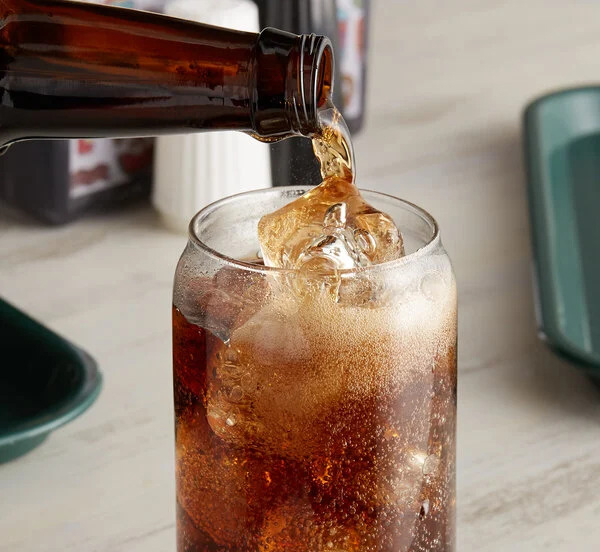
I first ran into "heavy soda" while scrolling drink forums a while back. Someone dropped it into a thread, and I had no clue what they meant. You might be standing by a soda fountain, reading online posts, and someone says those two words and it stops you. What’s heavy soda, even? People working with drinks rarely use that phrase. That’s why so many regular folks get confused. Heavy soda doesn’t have one fixed definition. It changes meaning depending on who you’re chatting with and what the conversation is about. I’ll walk through the common ways people use this phrase and answer soda questions people keep bringing up.
The Short Answer
|
What is heavy soda? "Heavy soda" is not an official beverage-industry term. Different people use it for totally different things. Some mean soda that leaves a thick feeling on your tongue. Extra sugar or extra syrup creates that thick texture. Others mean soda served in thick glass cups, or drinks poured with a lot of ice. Some use it just for soda that carries a lot of sugar. You really need to look at the surrounding conversation to work out what they mean. |
|
Possible Meaning: Thick Mouthfeel
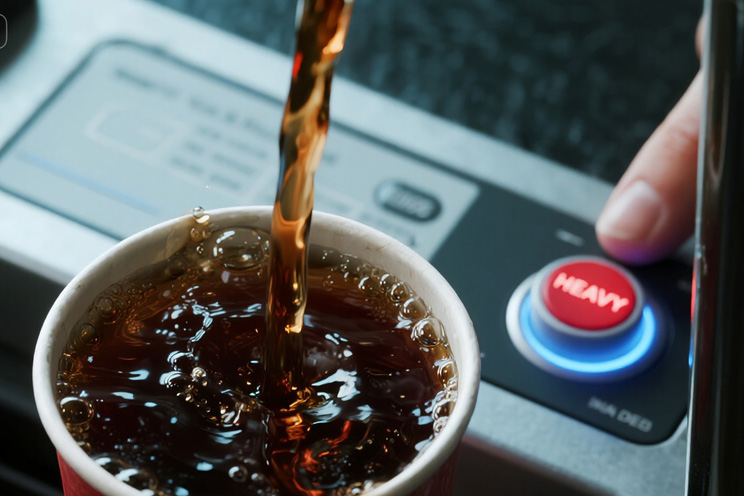
If you sip a fountain soda and feel a thick, gooey feel on your tongue, that is what people call heavy soda. Too much sugar creates this mouthfeel. Fountain machines can also dump too much syrup. Mountain Dew and regular cola are good examples. These sugary drinks feel much thicker than diet soda or plain sparkling water.
Most of that heaviness comes from stuff dissolved in the liquid. Sugar is the big factor. The more sugar there is, the heavier it feels on your tongue. Fountain workers can change how syrup and water get blended. When too much syrup gets mixed in, the drink turns thick and syrupy. In this case, heavy soda is just a casual label for a soda that is very sugary and rich-tasting.
Possible Meaning: Heavy Glass or Serving
Another definition has to do with how the soda gets served, either in thick glass cups or with lots of ice. Some bars and restaurants serve soda in thick glass mugs or heavy tumblers. This only changes how heavy the cup feels in your hand. It
|
|
doesn’t change the drink itself.
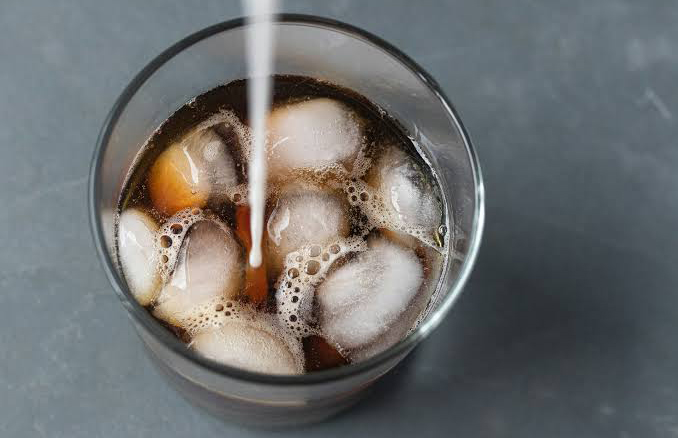
In some local areas, people call drinks filled with extra ice "heavy soda." All that ice makes the full glass weigh more. This isn’t formal language. You mostly hear it in casual chats between regular customers. Some people also use heavy soda for larger drink sizes, like a 32-ounce fountain cup. It may simply describe how the drink is served. |
Possible Meaning: High Caffeine or Sugar
Some people call soda heavy when it contains large amounts of caffeine or sugar. Take Mountain Dew as an example. One can holds 46 grams of sugar and 54 mg of caffeine. Energy-style sodas can have even more. People call them heavy because these ingredients hit your body pretty hard.
If caffeine or sugar hits you hard easily, your body will react strongly. The drink might leave you feeling a little off. It can bring shakiness, nervousness, or a quick energy drop once the sugar rush fades away. It may mean soda packed full of stimulants and sugar.
How Bad Is Soda for You?
Lots of people keep asking how bad is soda for you. The effect depends on how much you drink and what kind you
choose. Regular soda is linked to obesity, type 2 diabetes, heart disease and tooth decay. The sugar can send your blood
sugar and insulin levels shooting up in no time. If you keep consuming it over many years, your body may develop insulin
resistance.
|
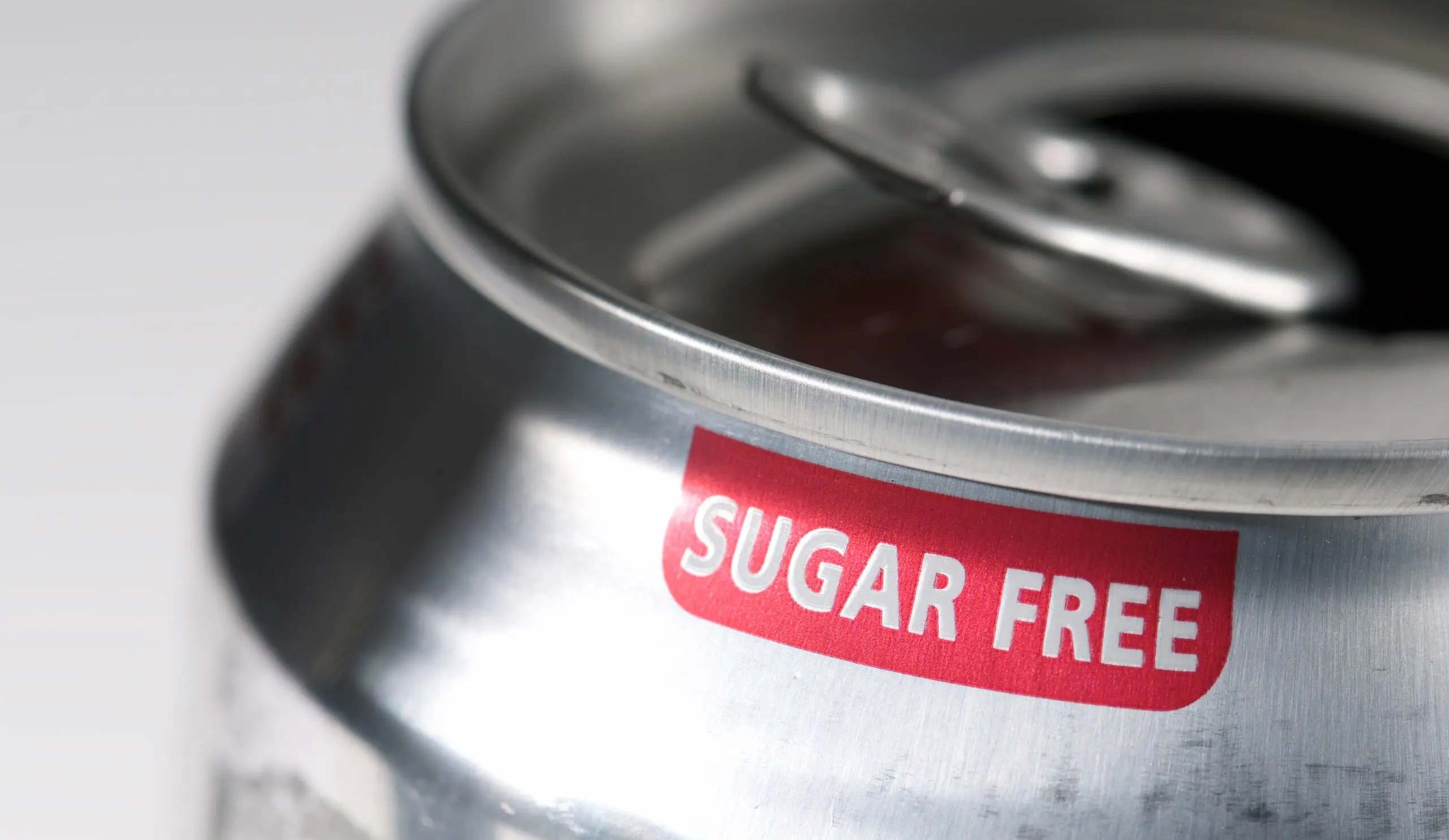
Diet soda doesn’t have any sugar, and it uses artificial sweeteners instead. These sweeteners can mess with your gut health. Studies suggest they can make you crave real sugar down the line. Having a soda every once in a while won’t bring on serious health issues. Still, drinking soda daily brings real-world health risks. For your daily drinks, water, seltzer and unsweetened tea are way better choices. |
|
What Is the Healthiest Soda and Does Club Soda Have Sugar?
If you want to steer clear of the bad sides of soda, you might wonder what is the healthiest soda. The easiest good option is plain water with a bit of lemon or lime juice. When you want something bubbly, plain seltzer or sparkling water is your best bet. These drinks contain no sugar, no artificial sweeteners, and none of those acids that wear away tooth enamel.
If you want flavor, you can pick unsweetened sparkling water that uses natural fruit flavors. Brands such as LaCroix and Perrier make products like this. Another common question: does club soda have sugar? The short answer is no. Club soda is carbonated water mixed with minerals, sodium bicarbonate being one example. It has zero sugar, zero calories and zero artificial sweeteners. That makes club soda a pretty good healthy replacement for regular soda.
The First Soda Ever Made
Learning soda’s history helps you understand it better. The first soda ever made was not cola or lemon-lime soda. Back in 1767, English chemist Joseph Priestley found a way to add carbon dioxide into water. He put a bowl of water over a beer
|
|
tank. The water absorbed gas released while beer fermented. Priestley named this gas "fixed air."
By the 1830s, pharmacists added sugar and flavors like ginger and lemon. Local shops sold these early sodas as medical tonics. The first flavored soda appeared in 1835. The earliest soda was carbonated water mixed with flavoring. It had no sugar at first. It was not heavy at all. |
Does Soda Expire and Does Soda Dehydrate You?
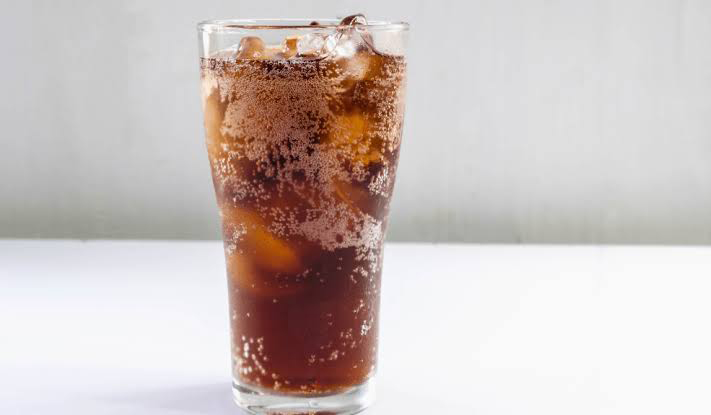
You might stumble across an old soda can in storage and wonder: does soda expire? The short answer is yes. It won’t go bad in the same way fresh milk does. An old soda can won’t make you sick, but its quality will get worse over time. Carbon dioxide slowly leaks out from inside the can. The drink turns flat and dull. Artificial sweeteners inside diet soda break down over time and create unpleasant tastes.
Another frequent question: does soda dehydrate you? Caffeine in some sodas acts as a mild diuretic, making you urinate more often. Even with that, soda is mostly made of water. For most people, it still adds water to your body. A 2016 study shows small amounts of soda don’t cause dehydration. One single can will not dehydrate you in any real-world sense. Even so, water is still the best choice for hydration.
How Soda Is Made
|
If you learn how soda gets made, it helps you understand why some sodas feel heavy. A soda filling machine fills cans and bottles at high speed. It seals containers to lock carbon dioxide inside. It measures syrup and carbonated water with good accuracy.
A soda filling machine supports the global soda industry. |
|
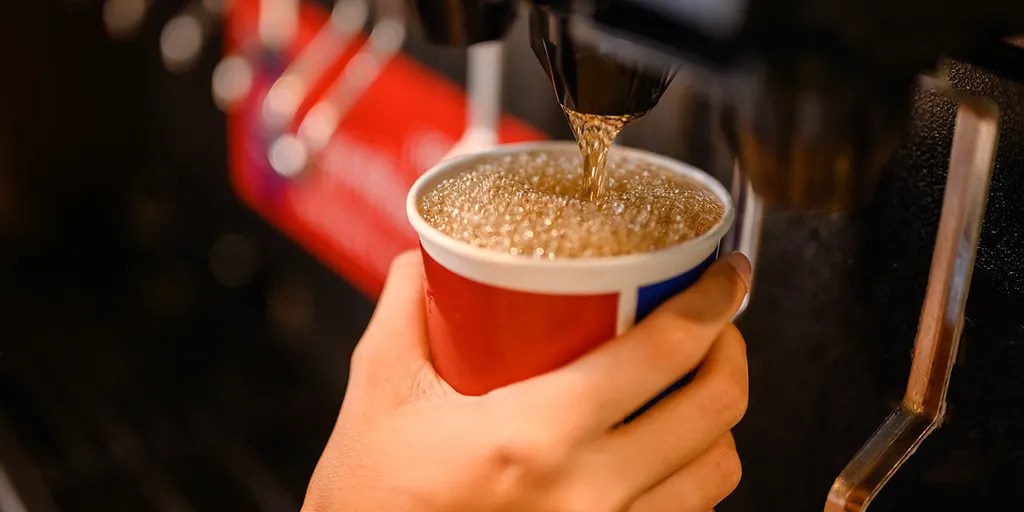
It fills thousands of cans every hour. It keeps consistent taste for every can it processes. The amount of syrup changes the
mouthfeel of soda. More syrup creates heavier soda. Less syrup creates lighter, crisper soda.
The Bottom Line
Let’s go back to our main question. What is heavy soda? There is no official definition for this term. It can mean soda with thick mouthfeel, a heavy serving style, or high sugar and caffeine content. Be careful when you pick soda, and only drink it in small amounts. That wraps up the full explanation of what heavy soda means.