How Much Caffeine Is in Soda? Complete Guide Inside
How Much Caffeine Is in Soda? Complete Guide Inside
You grab a chilled can of soda. Crisp, sweet, and with that little bitter bite on your tongue. That bite is caffeine. Ever really wondered, though — how much caffeine is inside that soda can? The numbers change a ton, based on brand and what flavor you grab. Some sodas are loaded with caffeine. Others have zero. Here, we’ll run through caffeine amounts for popular sodas, cover the questions people keep asking, and help you choose your favorite fizz knowing what you’re drinking.
The Short Answer
|
|
What’s the caffeine count in soda, anyway? Most standard colas hold 30 to 40 mg of caffeine per 12-ounce can. Coca-Cola lands near 34 mg. Pepsi is around 38 mg. Dr Pepper clocks in at roughly 41 mg. Mountain Dew sits at 54 mg. Then there are those soda-like energy drinks. They can hold 100 to 200 mg. The range goes from zero up to more than 200 mg, brand to brand. For most people, one can just gives a light boost. Drink multiple cans, and the caffeine stacks up quickly. If you’re sipping soda all day, watch out. |
Does Soda Have Caffeine?
You might be asking, does soda have caffeine? The answer isn’t simple. Lots of sodas do carry caffeine, mostly colas and citrus flavored options. A bunch don’t, though. Root beer, cream soda, ginger ale, most lemon-lime sodas — they normally have no caffeine. It all depends on which soda you grab. If you’re staying away from caffeine, check the label every time. Some brands make the exact same soda in two variants, one caffeinated, one not. Don’t skip that small print before purchase.
Which Soda Has the Most Caffeine?
Chasing that caffeine buzz? You’re probably curious which soda has the most caffeine. Out of all the standard, everyday sodas, Mountain Dew comes out on top, sitting at roughly 54 mg in every 12-ounce can. Diet Mountain Dew has the same number, funnily enough. For comparison, Coca-Cola hits 34 mg, Pepsi 38 mg, Dr Pepper 41 mg.
Now there are some specialty drinks with far more caffeine. These soda-like energy drinks can pack 100 to 200 mg per single can. They’re not your classic soda, not really, yet brands market them as carbonated drinks. Mountain Dew is the winner if we only look at mainstream sodas. Energy drinks beat everything else, though. If caffeine makes you jittery easily, skip these strong options. Go for something gentler.
What Soda Has the Most Sugar?
|
Caffeine isn’t the only thing you should track. Sugar counts matter a lot. What soda has the most sugar? If we’re talking popular brands, standard Mountain Dew leads here, carrying roughly 46 grams of sugar for every 12-ounce can. That’s close to 11 teaspoons. Regular Coca-Cola comes with 39 grams, Pepsi has 41 grams, Dr Pepper sits at 40 grams.
Here’s a quick reference point. The American Heart |
|
Association recommends women limit added sugar to 25 grams a day, and men to 36 grams. One single can of Mountain
Dew already passes the daily cap for women. Mountain Dew leads mainstream sodas in sugar content. Certain specialty
sodas push higher, reaching 50 grams or more. Save these drinks for rare treats. Don’t make them a daily habit.
Does Cream Soda Have Caffeine?
Cream soda’s one of those well-loved bubbly drinks. Does cream soda have caffeine? Most often, nope. Classic cream soda from brands like A&W and IBC has no caffeine at all. That’s why lots of people grab cream soda for evening sips, or for kids who want a sweet little treat.
Still, a few regional or special release cream sodas do throw caffeine into the recipe. If you’re staying away from caffeine, take a second to read the label. Most have none, but check the brand. Cream soda also has loads of sugar, remember that. No caffeine doesn’t make it good for you. Enjoy it slowly.
What Soda Has No Caffeine?
|
|
Trying to skip caffeine? You might be curious what soda has no caffeine. Plenty of well-known sodas don’t have caffeine at all. Take these, for instance:
• Sprite • 7-Up • Fanta • A&W Root Beer |
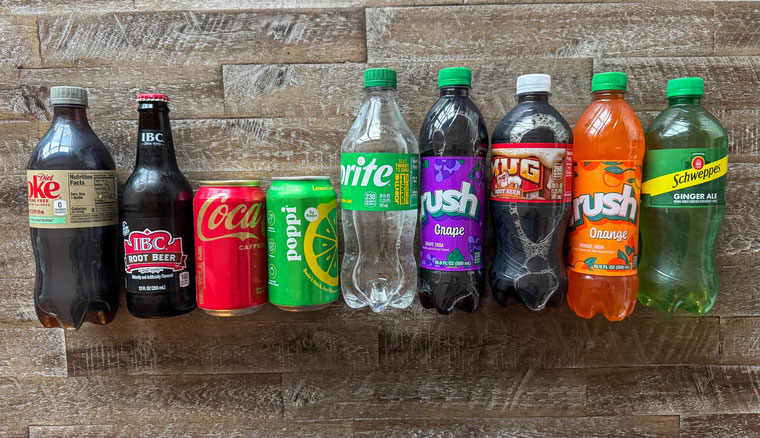
• Mug Root Beer
• IBC Root Beer
• Canada Dry Ginger Ale
• Schweppes Ginger Ale
• A&W Cream Soda
• IBC Cream Soda
• Sunkist Orange Soda (most varieties)
• Crush Orange Soda (most varieties)
Most lemon-lime, fruit, root beer, ginger ale and cream sodas leave caffeine out. Barq's Root Beer is the main outlier here, packing 22 mg of caffeine. Double-check the label every time. Drink recipes can shift over time.
The First Soda Ever Made
Want to understand soda a bit better? Let’s go back to its origins. The first soda ever made wasn’t cola or lemon-lime, not at all. Way back in 1767, Joseph Priestley, an English chemist, worked out how to dissolve carbon dioxide into regular water. He created the first man-made carbonated water. Come the 1830s, pharmacists began mixing in sugar and all kinds of flavors. It was just carbonated water with flavor drops. Early versions had no caffeine, no sugar. It took over a century for soda to turn from a medicinal item into a drink sold to ordinary people everywhere.
Caffeine Content of Popular Sodas
Take a look at these caffeine numbers for common sodas (all measured for a 12-ounce can):
|
Caffeinated Sodas: • Mountain Dew: 54 mg • Dr Pepper: 41 mg • Pepsi: 38 mg • Coca-Cola: 34 mg • Diet Coke: 46 mg • Diet Pepsi: 35 mg • Barq's Root Beer: 22 mg
Caffeine-Free Sodas: • Sprite: 0 mg • 7-Up: 0 mg • Fanta: 0 mg • A&W Root Beer: 0 mg • Mug Root Beer: 0 mg • Canada Dry Ginger Ale: 0 mg • A&W Cream Soda: 0 mg |
|
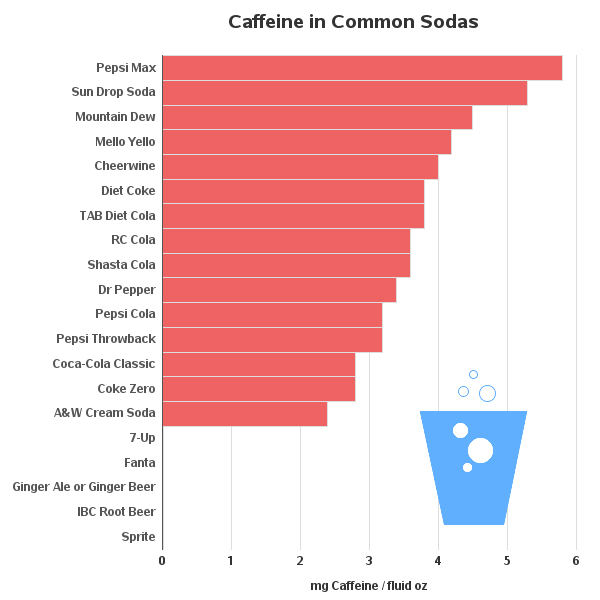
When we talk about regular store sodas, caffeine levels run from zero all the way up to 54 mg. This difference makes a real impact if caffeine hits you hard, or if you sip more than one can every single day.
How Caffeine Affects Your Body
Caffeine is a stimulant for your body. It perks you up and helps fight off tiredness. Drink too much of it, though, and you might end up with shaky hands, that on-edge feeling, poor sleep, and even reliance on caffeine. The FDA recommends healthy adults don’t pass 400 mg of caffeine within a single day. That’s about 7 cans of Mountain Dew, or 12 cans of Coca-Cola.
Caffeine messing with you easily? Stick with sodas that have no caffeine. Anyone who’s pregnant should limit caffeine intake to less than 200 mg daily. This really matters for your wellbeing. Caffeine may also interact with some prescription drugs, so reach out to your doctor if you’re unsure about how much you’re drinking.
How Soda Is Made
|
|
Learning how soda comes together makes it easier to understand caffeine amounts. A soda filling machine pours cans and bottles really fast, then seals each container firmly to hold carbon dioxide in. It doses syrup and carbonated water with care. That keeps each batch tasting the same.
A soda filling machine is essential for soda brands all |

over the world. It can fill thousands of cans each hour, making sure every product has matching flavor. Workers stir caffeine into the syrup before filling begins. This lets the machine distribute it evenly. That’s why caffeine content stays consistent, can after can.
The Bottom Line
Okay, let’s return to that first question we started with. Just how much caffeine is there in soda? Most colas carry 30 to 40 mg per can. Mountain Dew hits 54 mg. Lots of sodas — cream soda, root beer, lemon-lime fizz, all of these — have zero caffeine. Choose your drink based on how caffeine affects you. That’s the plain answer to our soda caffeine question.