Top 20 PET Filling Line Manufacturers in 2026
Top 20 PET Filling Line Manufacturers in 2026
Have you ever grabbed a bottle of water, soda, or juice from a store shelf and noticed how lightweight, clear, and unbreakable it is? What is a PET filling line, and how does it turn preformed plastic pellets into filled, sealed bottles ready for distribution? What is a PET filling machine actually used for beyond just water? What are the different types of PET bottle filling machines available for still drinks versus carbonated sodas? Behind every convenient plastic bottle lies a highly automated system that combines blow molding, filling, capping, and packaging. In this article, we will explore PET filling technologies, troubleshooting tips, and the undeniable advantages of this versatile packaging format.
| Table of Contents |
| What Is a PET Filling Line? |
| List of 20 PET Filling Line Manufacturers |
| List of 5 PET Filling Products |
| Global Distribution of PET Filling Line Manufacturers by Country |
What Is a PET Filling Line?
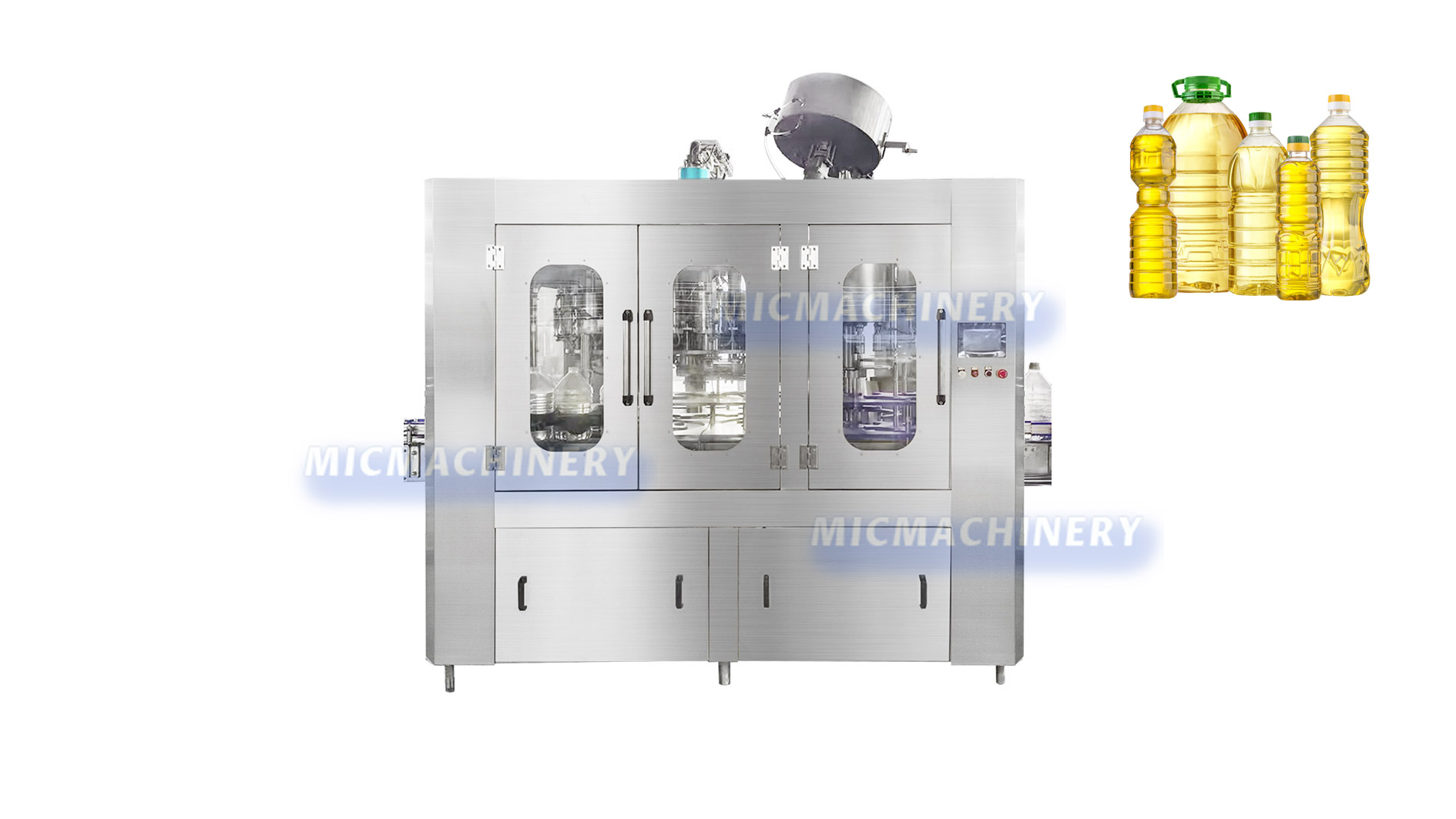
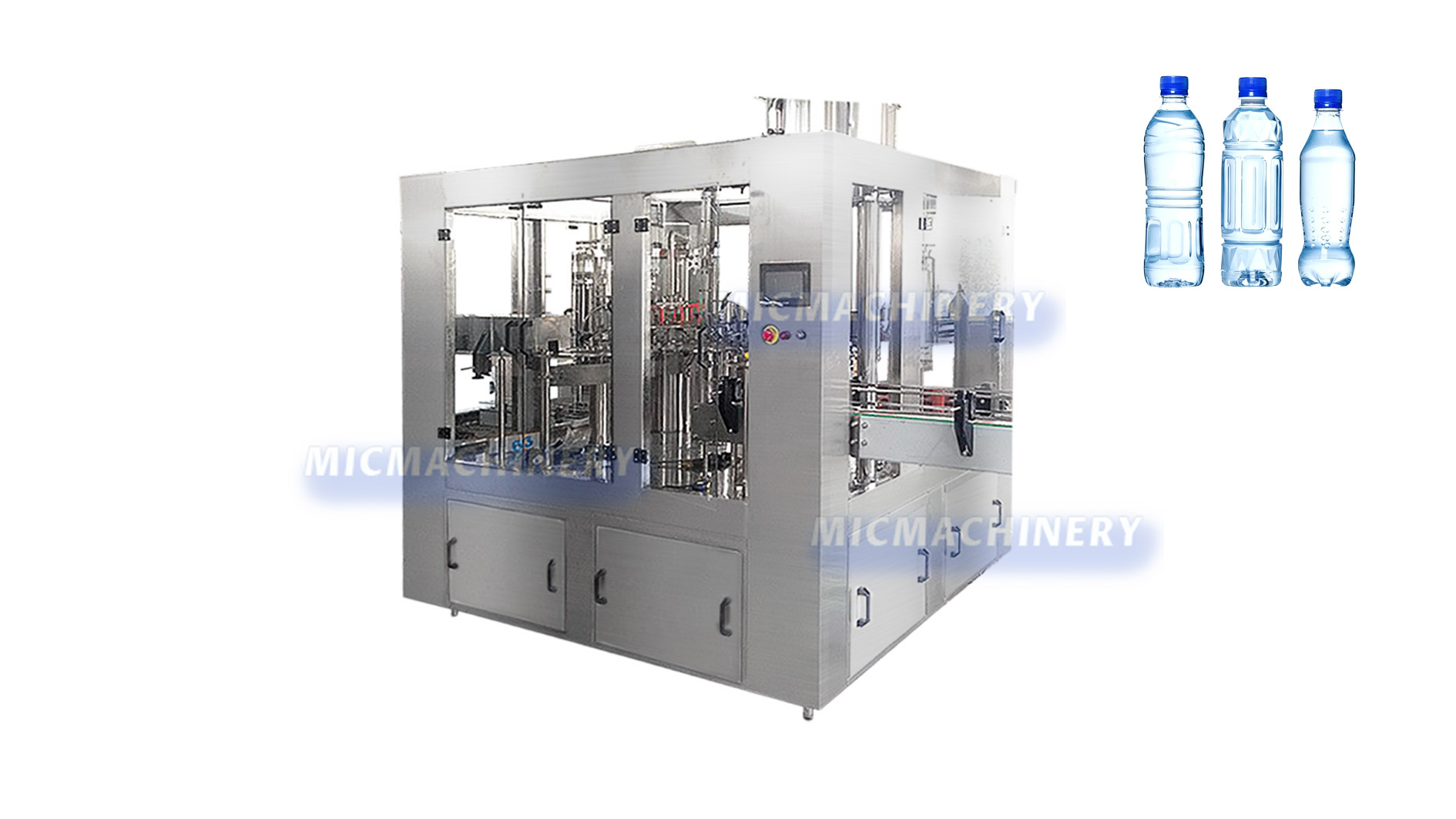
A PET filling line is an integrated production system that fills polyethylene terephthalate (PET) bottles with beverages such as water, soft drinks, juice, tea, sports drinks, edible oils, or sauces, and then seals them with caps. Unlike glass or aluminum lines, PET filling lines often include an integrated blow molder that forms bottles from preforms just before filling—ensuring maximum hygiene and minimizing storage space for empty bottles. Leading PET filling line manufacturers offer complete systems ranging from 2,000 bottles per hour to over 60,000 bottles per hour, with optional integration of labelers, shrink wrappers, and palletizers.
What Is a PET Filling Machine Used For?
A PET filling machine is used for a wide range of liquid products across multiple industries:
• Bottled water – Still, sparkling, or flavored water
• Carbonated soft drinks – Soda, cola, sparkling juice, seltzer
• Non-carbonated beverages – Iced tea, juice, sports drinks, coconut water
• Dairy and alternatives – Milk, yogurt drinks, almond milk, oat milk
• Edible oils and sauces – Cooking oil, soy sauce, vinegar, salad dressing
• Household products – Detergents, cleaning liquids (food-grade lines only)
The machine handles the entire filling process: rinsing (if no integrated blow molder), filling via gravity, pressure, or counter-pressure, and then capping. Many plastic bottle filling and sealing machine manufacturers design their equipment to handle both still and carbonated products with simple changeover parts.
What Are the Different Types of PET Bottle Filling Machines?
PET bottle filling machines fall into four main categories based on automation and mechanism:
1. Gravity fillers – Liquid flows by gravity. Ideal for thin, still liquids like water or juice. Low cost and simple.
2. Pressure fillers – Product is pumped under pressure. Used for viscous drinks (smoothies, syrups) or hot-fill
applications (tea, coffee).
3. Counter-pressure (isobaric) fillers – Bottle is pressurized with CO₂ before filling. Essential for sodas, beer, and
sparkling water to prevent foam.
4. Rotary vs. inline fillers – Rotary fillers have multiple heads on a carousel for high speed (10,000–60,000 bph). Inline
fillers move bottles in a straight line for lower speeds (2,000–8,000 bph) and easier cleaning.
For smaller production volumes, semi automatic PET bottle filling machine manufacturers offer tabletop or floor-standing units where an operator places each bottle under a filling nozzle. These typically handle 300–1,500 bottles per hour and are ideal for startups, farms, or small juice bars.
Troubleshooting and Maintenance Considerations
PET filling lines require regular attention to maintain efficiency. Common issues include:
• Inconsistent fill levels – Worn valve seals, fluctuating product pressure, or dirty level sensors. Solution: replace seals
every three months, install a pressure regulator, and clean sensors weekly.
• Excessive foaming – For carbonated drinks: product too warm, incorrect counter-pressure, or fill tube too high. Keep
product below 38°F (3°C) and adjust tube depth.
• Leaking caps – Worn capper head, incorrect torque, or damaged bottle threads. Calibrate torque weekly and replace
capper chucks every six months.
• Bottle neck deformation – Excessive capping pressure or hot-fill temperature too high. Reduce capping force and
ensure bottles have cooled before capping.
• Preform or bottle jamming – Misaligned conveyor or starwheel. Lubricate moving parts weekly and verify change parts
match bottle size.
Maintenance best practices:
• Daily: Rinse filling nozzles, inspect seals for cracks, check cap feeder operation.
• Weekly: Lubricate cam tracks and starwheel bearings, inspect conveyor belts.
• Monthly: Calibrate fill height sensors, test valve response time, check capping torque.
• Quarterly: Replace all valve diaphragms and inspect blow molder heating elements.
Reputable automatic PET bottle filling machine manufacturers provide detailed maintenance logs, spare parts kits, and remote diagnostic support. Many also offer predictive maintenance software that alerts operators to abnormal vibration or temperature changes before failures occur.
Filling Technology and Mechanisms
Modern PET filling lines incorporate several advanced technologies:
• Magnetic flow meters (magmeters) – Measure liquid volume without moving parts. Excellent for acidic or abrasive
beverages, achieving ±0.3% accuracy.
• Servo-driven filling valves – Electronic valves with millisecond precision, reducing product giveaway by up to 90%
compared to mechanical valves.
• CIP (clean-in-place) systems – Automatically circulate hot water, caustic solution, and sanitizer through the filler without
disassembly. Essential for dairy and juice lines.
• Nitrogen dosing – A drop of liquid nitrogen vaporizes in the bottle headspace, pushing out oxygen and stiffening
lightweight PET bottles for stacking.
• Electronic cap sorter and feeder – Ensures caps are oriented correctly and fed at high speed without jamming.
• Integrated blow molder – Forms bottles from preforms just before filling, eliminating bottle storage and reducing
contamination risk.
Advantages and Benefits of PET Filling Lines
Why choose a PET filling line over glass or aluminum packaging?
• Lightweight – A 500ml PET bottle weighs about 10–15 grams, compared to 200–300 grams for glass. This reduces
shipping costs and carbon footprint.
• Unbreakable – PET bottles do not shatter, making them safer for consumers and reducing product loss during
transport.
• Transparency – PET is nearly as clear as glass, allowing consumers to see the product inside.
• Design flexibility – PET can be molded into virtually any shape, size, or color, allowing for unique brand differentiation.
• Cost-effective – PET resin is significantly cheaper than glass or aluminum, lowering per-unit packaging costs.
• Recyclable – PET is one of the most recycled plastics globally, with closed-loop systems turning old bottles into new
ones.
• Oxygen barrier options – Multi-layer PET bottles with oxygen scavengers can extend shelf life for beer, juice, and wine.
The PET bottle filling machine price varies widely based on capacity and automation. Entry-level semi-automatic units start around 8,000–25,000, while fully automatic rotary lines range from 80,000to800,000 or more. A complete turnkey line including filler, capper, labeler, and shrink wrapper can cost 200,000–2,000,000. After filling and capping, PET bottle packaging machine manufacturers focus on downstream solutions such as sleeve labelers, stretch wrappers, and case packers. Meanwhile, PET packaging machine manufacturers offer a broader range including shrink tunnels, tray packers, and palletizers, ensuring bottles move from filler to truck without manual handling.
List of 20 PET Filling Line Manufacturers
 |
Address: Room 1905, Youyi Building, Xincheng Avenue, Cixi, Ningbo, Zhejiang, China |
|
| Mic Machinery is a global manufacturer specializing in beverage filling and packaging automation systems. It is widely recognized among leading PET filling line manufacturers, providing complete turnkey solutions for water, juice, and carbonated beverage production. The company focuses on hygienic design, stable automation, and high-speed performance. Its systems are widely used in modern PET bottling plants worldwide. |
 |
Address: 152 Longquan Bay, Xueyan Town, Wujin, Changzhou, Jiangsu, China |
|
| BW Filling Machinery provides scalable liquid filling systems for industrial beverage production. It is known as a reliable automatic PET bottle filling machine manufacturers, offering high-efficiency production lines for PET bottle applications. The company focuses on durability and long-term operational stability. Its equipment is widely used in large beverage manufacturing facilities. |
 |
Address: 2224 Wukesong Road, Sanxing town, Zhangjiagang, Jiangsu, China |
|
| Zhangjiagang Mic Machinery specializes in cost-effective beverage equipment for global markets. It is recognized as a competitive semi automatic PET bottle filling machine manufacturers, delivering flexible and customizable PET filling solutions. The company emphasizes practical engineering and modular design. Its systems are widely used in emerging beverage industries. |
 |
Address: Böhmerwaldstraße 5, 93073 Neutraubling, Bavaria, Germany |
|
| Krones AG is one of the world’s leading beverage machinery manufacturers. It is widely regarded as a premium plastic bottle filling and sealing machine manufacturers, delivering fully automated PET bottling and packaging systems. The company integrates filling, capping, and inspection into unified production lines. Its systems are widely used by global beverage brands. |
 |
Address: 1535 S State Road 39, La Porte, Indiana, United States of America |
|
| APACKS is a U.S.-based manufacturer specializing in compact filling systems. It provides flexible PET filling solutions for small and medium beverage producers. The company focuses on simple operation and fast deployment. Its machines are widely used in craft beverage industries. |
 |
Address: Avenue de la Patrouille de France, 76930 Octeville-sur-Mer, Normandy, France |
|
| Sidel is a global leader in PET packaging and beverage filling technology. It is recognized among top PET bottle packaging machine manufacturers, offering advanced high-speed production systems. The company focuses on sustainability and energy efficiency. Its equipment is widely used in international beverage plants. |
 |
Address: 50 Schoolhouse Road Somerset, New Jersey, United States of America |
|
| Cozzoli Machine Company specializes in precision filling systems for small-scale production. The company focuses on accuracy and clean filling processes. Its equipment is widely used in specialty beverage and pharmaceutical industries. It is known for durable and reliable machinery. |
 |
Address: Stuttgarter Straße 130, Waiblingen, Baden-Württemberg, Germany |
|
| Syntegon Technology GmbH is a German engineering leader in automated packaging systems. It is widely regarded as a high-end PET packaging machine manufacturers, delivering intelligent and integrated production lines. The company integrates robotics and digital control systems. Its equipment is widely used in global beverage manufacturing. |
 |
Address: 4119 Fordleigh Road Baltimore, Maryland, United States of America |
|
| Filamatic specializes in compact liquid filling systems for beverage and pharmaceutical industries. It provides flexible automation solutions for small production environments. The company focuses on precision dosing and easy maintenance. Its systems are widely used by emerging beverage brands. |
 |
Address: Juchostrasse 20, 44143 Dortmund, Germany |
|
| KHS GmbH is a German beverage engineering company offering complete filling and packaging systems. It is also recognized as a leading PET filling line manufacturers, delivering high-speed PET bottling solutions for global producers. The company focuses on hygienic design and industrial efficiency. Its systems are widely used in modern beverage plants. |
 |
Address: 2980 Scott St, Vista, CA 92081, United States |
|
| Accutek Packaging Equipment is a U.S. manufacturer specializing in modular filling systems. It provides cost-effective PET filling solutions for small and medium-sized factories. The company focuses on scalable production layouts and easy integration. Its equipment is widely used in startup beverage operations. |
 |
Address: Via Italia, 43, Gessate Milano, Lombardy, Italy |
|
| Ronchi Mario S.p.A. is an Italian manufacturer known for high-precision filling and capping systems. It serves global beverage producers with reliable engineering solutions. The company focuses on flexible machine design and performance stability. Its systems are widely used in PET beverage production. |
 |
Address: Via G. Garibaldi, 34N, Bonate Sotto, Lombardy, Italy |
|
| Comac specializes in beverage bottling systems for craft and industrial production. It is recognized among plastic bottle filling and sealing machine manufacturers, offering compact and efficient PET production systems. The company focuses on user-friendly operation and flexible layouts. Its machines are widely used in regional beverage markets. |
 |
Address: Olympus House, Mill Green Road, Haywards Heath, West Sussex, United Kingdom |
|
| Adelphi Packaging Machinery is a UK-based manufacturer of liquid filling systems. It provides customized solutions for small and medium beverage producers. The company focuses on reliability and simple maintenance. Its equipment is widely used in specialty beverage production. |
 |
Address: N15 W23500 Stone Ridge Drive, Waukesha, Wisconsin, United States of America |
|
| Federal Mfg. is an industrial machinery manufacturer specializing in durable filling systems. It focuses on heavy-duty production equipment designed for continuous operation. The company emphasizes long service life and mechanical stability. Its machines are widely used in beverage and food industries. |
 |
Address: Hofäckerstraße 9 Crailsheim, Baden-Württemberg, Germany |
|
|
Groninge is a German precision engineering company producing advanced filling systems. It serves beverage and pharmaceutical industries with high-end automation solutions. The company focuses on accuracy, hygiene, and production flexibility. Its systems are widely used in premium manufacturing environments. |
 |
Address: Ko-58 Mameda-Honmachi, Kanazawa, Ishikawa, Japan |
|
| Shibuya Corporation is a Japanese automation company specializing in filling and packaging systems. It integrates robotics and intelligent control technologies into production lines. The company provides advanced solutions for global beverage manufacturers. Its systems are known for precision and innovation. |
 |
Address: 15-39 130th St, College Point, New York, United States of America |
|
| Filling Equipment Company provides a wide range of beverage filling systems for industrial applications. It offers customizable PET production solutions for different factory sizes. The company focuses on durability and simple operation. Its equipment is widely used in regional beverage markets. |
 |
Barry-Wehmiller Packaging Systems Address: 8020 Forsyth Boulevard, St. Louis, Missouri, United States of America |
|
| Barry-Wehmiller Packaging Systems is a global leader in packaging automation systems. It provides integrated PET production lines for large manufacturers. The company focuses on efficiency, scalability, and long-term performance. Its systems are widely used in global beverage industries. |
 |
Address: 1535 South State Road 39, La Porte, IN 46350, United States |
|
| E-PAK Machinery specializes in liquid filling equipment for beverage and food industries. It is recognized among PET bottle filling machine price providers, offering cost-effective and flexible PET filling solutions for small and medium factories. The company focuses on compact design and efficient operation. Its machines are widely used in emerging beverage production markets. |
Global Distribution of PET Filling Line Manufacturers by Country

| Country | Number of Companies | Share (%) |
 |
USA | 8 | 40% |
 |
Germany | 4 | 20% |
 |
China | 3 |
15% |
 |
Italy | 2 | 10% |
 |
France | 1 | 5% |
 |
United Kingdom | 1 | 5% |
 |
Japan | 1 | 5% |
List of 5 PET Filling Line Products
 |
|
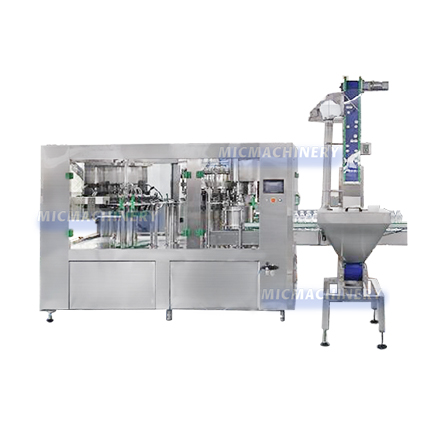
18-18-6 Carbonated PET Bottling Machine
An 18-18-6 carbonated PET bottling machine has 18 rinsing heads, 18 filling heads, and 6 capping heads for efficient rinsing, filling, and capping. It ensures precise filling, hygienic operation, and reliable performance for medium to large-scale production. |
|
 |
 |
|
A 14-12-5 PET bottling machine features 14 rinsing heads, 12 filling heads, and 5 capping heads to efficiently rinse, fill, and cap PET bottles. It ensures accurate filling, hygienic operation, and reliable performance for medium-scale beverage production. |
|
|
 |
|
An 18-18-6 PET bottling machine features 14 rinsing heads, 12 filling heads, and 5 capping heads to efficiently rinse, fill, and cap PET bottles. It ensures accurate filling, hygienic operation, and reliable performance for medium-scale beverage production. |
|
|
 |
|
An 8-8-3 PET bottling machine features 8 rinsing heads, 8 filling heads, and 3 capping heads for efficient rinsing, filling, and capping of PET bottles. It ensures accurate filling, hygienic operation, and reliable performance for small to medium-scale beverage production. |
|
|
 |
|
A 24-24-8 PET bottling machine features 24 rinsing heads, 24 filling heads, and 8 capping heads for fast, efficient rinsing, filling, and capping of PET bottles. It ensures precise filling, hygienic operation, and high-speed performance for large-scale beverage production. |
|
|