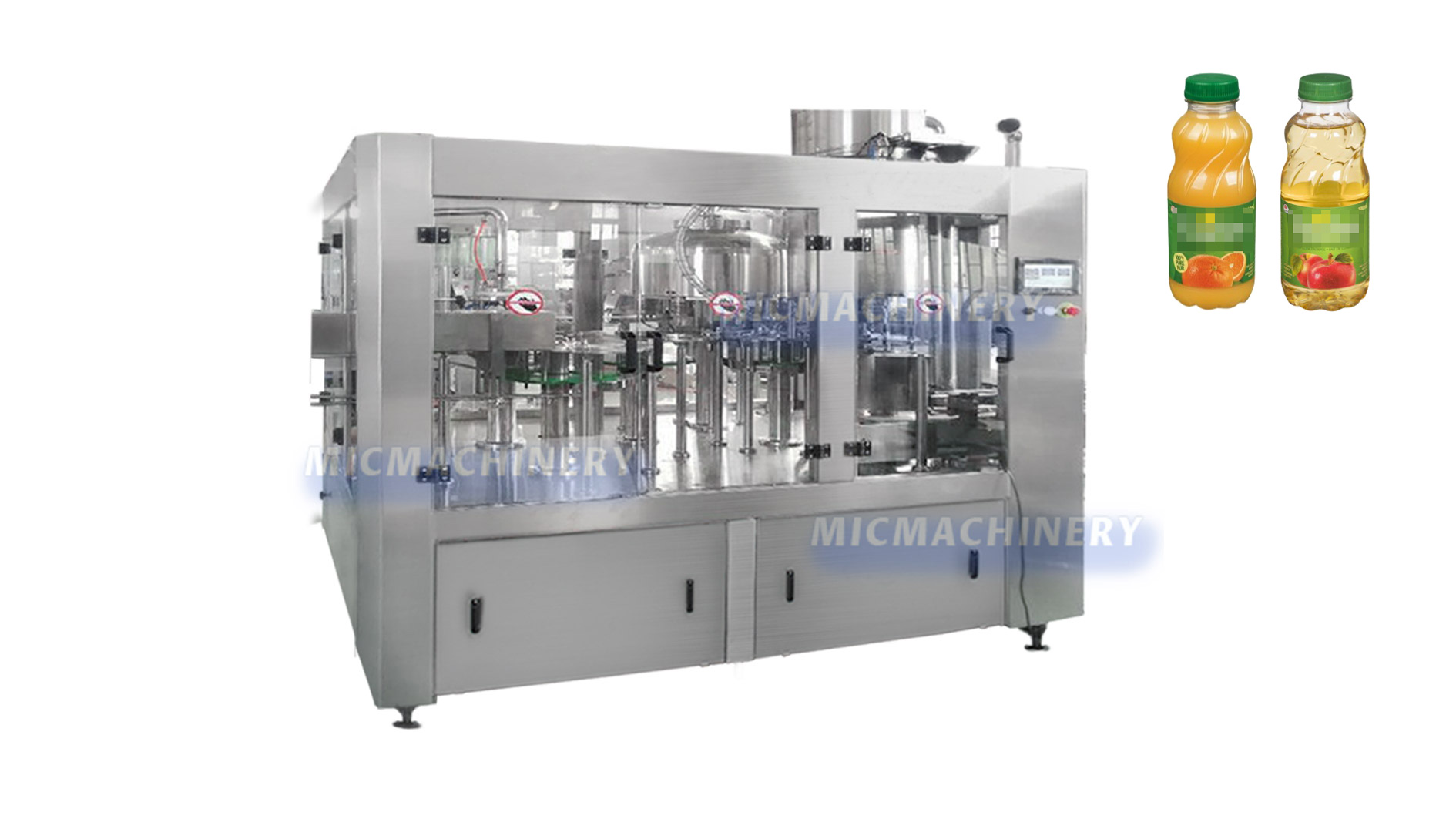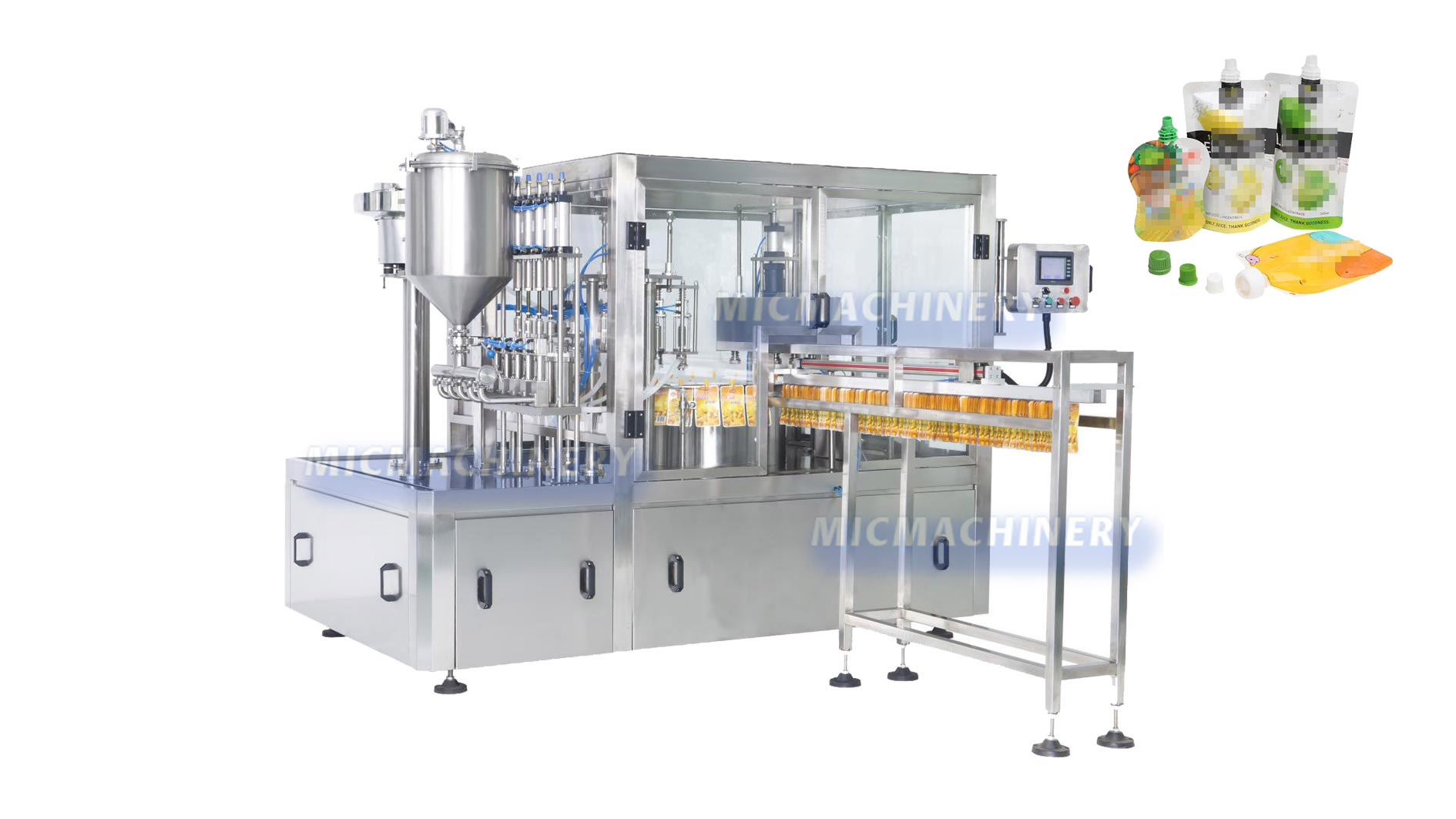
Top 20 Juice Filling Machine Manufacturers in 2026
Top 20 Juice Filling Machine Manufacturers in 2026
Juice is one of the most beloved beverages worldwide, prized for its freshness, flavor, and nutritional value. Behind every bottle, pouch, or cup of juice on the shelf lies a precise and efficient filling process, with the juice filling machine at its heart. For entrepreneurs looking to enter this thriving market, understanding this essential equipment is the first step toward success. This guide answers the key questions about juice filling machines, the different types available, and the investment considerations for your business.
What is a Juice Filling Machine?
A juice filling machine is a specialized piece of packaging equipment designed to accurately dispense a measured volume of liquid juice into containers such as bottles, pouches, cups, or cartons. At its core, it is the critical interface between the processed juice and its final packaging, ensuring that each container receives the precise amount of product with minimal waste and maximum hygiene.
Modern juice filling machines are far more than simple dispensers. They are engineered to handle a wide spectrum of juice viscosities—from thin, clarified apple juice to thick, pulpy mango nectar—without compromising accuracy or container integrity. These machines often integrate seamlessly with other equipment such as capping units, sealing stations, labeling systems, and conveyors to form a complete production line. Depending on the level of automation, a juice filling machine can operate at speeds ranging from a few hundred containers per hour for small-scale operations to tens of thousands per hour for industrial facilities.
What are the Different Types of Juice Filling Machines?
Juice filling machines are categorized by their level of automation, filling mechanism, and the type of container they serve. Understanding these distinctions is essential for selecting the right equipment for your production needs.
By Automation Level:
• Manual Filling Machines: Operated by hand, these are suitable for very small-scale production, farmers' markets, or
startups. They offer low upfront cost but require significant labor and offer limited speed.
• Semi-Automatic Filling Machines: These machines automate the filling process but require manual placement and
removal of containers. They strike a balance between affordability and efficiency, making them ideal for small to
medium-sized businesses. Many semi automatic juice filling machine manufacturers offer versatile units that can
handle multiple container types with simple changeover parts.
• Automatic Filling Machines: Fully automated systems that integrate with conveyors, cappers, and labelers. They
require minimal human intervention, offering high speed, precision, and hygiene for large-scale commercial production.
By Filling Mechanism:
• Gravity Fillers: Use gravity to flow juice into containers. Best for thin, non-carbonated, and low-viscosity juices.
• Piston Fillers: Utilize a piston to draw and dispense a precise volume. Ideal for thick, pulpy juices containing fruit solids
or fibers.
• Overflow Fillers: Fill containers to a consistent level, ensuring uniform fill height—particularly important for glass bottles
where visual presentation matters.
• Pump Fillers: Use a pump to transfer juice, suitable for a wide range of viscosities and often used in aseptic or hot-fill
applications.
By Container Type:
• Bottle Fillers: Designed for glass or PET bottles, often featuring multiple filling heads on a rotary or inline platform.
• Pouch Fillers: Specialized machines for flexible packaging, often equipped with form-fill-seal capabilities or pre-made
pouch filling stations.
• Cup and Tray Fillers: Used for single-serve portions in the food service sector, typically integrating filling with foil or film
sealing.
What Machine is Used to Make Juice?
While the filling machine handles packaging, the creation of juice itself requires a series of upstream processing equipment. A complete juice production line typically includes:
• Fruit Washers and Sorters: Clean and grade raw fruits before processing.
• Crushers and Pulpers: Break down whole fruits into mash or pulp.
• Juice Extractors: Separate juice from peels, seeds, and fibers. This can include hydraulic presses for hard fruits or
screw presses for softer varieties.
• Blenders and Mixers: Combine ingredients, adjust sugar content, and incorporate additives or preservatives according
to recipe specifications.
• Pasteurizers: Heat the juice to eliminate harmful microorganisms while preserving flavor and nutritional value. This can
be a tunnel pasteurizer or a plate heat exchanger system.
• Homogenizers: Reduce particle size to create a smooth, uniform texture, particularly important for juices containing
pulp.
• Deaerators: Remove dissolved oxygen to prevent oxidation and extend shelf life.
For businesses focused on specific fruit products, sourcing from specialized manufacturers is advantageous. For instance, mango juice filling machine manufacturers design equipment specifically calibrated to handle the high viscosity and fibrous nature of mango pulp, ensuring consistent flow and preventing clogging. Similarly, litchi juice filling machine manufacturers offer filling systems that preserve the delicate aroma and clarity of litchi juice, often incorporating gentle handling mechanisms to maintain product integrity throughout the filling process.
Troubleshooting and Maintenance Considerations
Even the most advanced juice filling machine requires diligent maintenance to ensure consistent performance and minimize costly downtime. Establishing a preventative maintenance program is essential for long-term reliability.
Common Troubleshooting Scenarios:
• Inconsistent Fill Volumes: This often indicates worn fill nozzles, air leaks in the product supply line, fluctuating back-
pressure, or faulty level sensors. Regular inspection and cleaning of nozzles, along with calibration checks, typically
resolve the issue.
• Dripping or Leaking Nozzles: Worn seals, damaged valve seats, or improper nozzle closure can cause post-fill drips,
leading to messy containers and product waste. Replacing seals and adjusting nozzle timing are standard solutions.
• Bottle or Container Jams: Misaligned conveyors, worn star wheels, or incorrect container handling settings often cause
jams. Operators should regularly inspect guide rails and timing screws for wear or misalignment.
• Foaming Issues: Excessive foam during filling can lead to under-filling and aesthetic problems. This may result from
filling too quickly, incorrect nozzle positioning, or juice temperature issues. Adjusting fill speed and nozzle depth often
mitigates foaming.
• Sanitation and CIP (Clean-in-Place): Biofilm buildup in hoses, tanks, and filling heads is a major contamination risk. A
strict CIP schedule using appropriate cleaning agents is non-negotiable. Machines designed with CIP compatibility
allow for thorough sanitation without disassembly.
Maintenance Best Practices:
• Lubricate moving parts according to the manufacturer's schedule.
• Inspect and replace seals, gaskets, and wear parts proactively.
• Calibrate fill volumes and temperature controls regularly.
• Train operators on proper startup, shutdown, and cleaning procedures.
• Maintain a stock of critical spare parts to minimize downtime during unexpected failures.
For businesses considering entry-level automation, working with established semi automatic juice filling machine manufacturers is often advantageous. These suppliers typically offer machines with simpler maintenance requirements, easier troubleshooting access, and comprehensive training support tailored to operators with less technical experience.
Filling Technology and Mechanisms
The filling mechanism is the defining feature of any juice filling machine, and selecting the appropriate technology is critical to achieving accuracy, efficiency, and product quality.
• Piston Fillers: The gold standard for viscous and particulate-laden juices. A piston cylinder draws a precise volume of
juice and then discharges it into the container. This positive displacement method ensures that every container
receives the exact same amount of product, including fruit solids. Piston fillers are particularly favored by mango juice
filling machine manufacturers for handling thick mango nectar without compromise.
• Gravity Fillers: Simple and reliable, these machines use the natural force of gravity to flow thin juices into containers.
They are ideal for clarified juices and offer ease of cleaning and maintenance. Gravity fillers are commonly found in
both semi-automatic and fully automatic configurations.
• Overflow Fillers: Designed to fill containers to a consistent level rather than a fixed volume. A nozzle fills the container
until juice overflows through a return tube, ensuring uniform fill height. This technology is essential for premium glass
bottle presentations where visual consistency matters.
• Rotary Fillers: High-speed filling systems where containers rotate on a carousel while being filled. These are used in
large-scale operations requiring speeds of thousands of containers per hour.
• Pouch Filling Technology: For flexible packaging, specialized systems handle pre-made pouches or integrate form-fill-
seal operations. Pouch juice filling machine manufacturers focus on precise volumetric filling combined with heat
sealing, often incorporating spout or fitment attachment for reclosable pouches.
• Aseptic Fillers: Advanced systems that sterilize both the juice and the packaging material before filling in a sterile
environment. This technology enables shelf-stable products without refrigeration or preservatives, preserving fresh
flavor and nutritional value.
Advantages and Benefits of Filling and Sealing Machines
Investing in a professional juice filling machine delivers transformative advantages that extend across production efficiency, product quality, and business scalability.
1. Unwavering Accuracy: Automated filling eliminates the variability of manual pouring. Every container receives precisely
the advertised volume, protecting brand reputation, ensuring regulatory compliance, and minimizing costly product
giveaway.
2. Enhanced Hygiene and Food Safety: Closed filling systems significantly reduce human contact with the product. This
minimizes contamination risks, extends shelf life, and simplifies compliance with food safety standards such as
HACCP, FDA, or local regulatory requirements.
3. Operational Efficiency: Modern filling machines operate at speeds far exceeding manual labor. Whether a semi-
automatic unit for growing businesses or a fully integrated line for mass production, these machines dramatically
increase output per labor hour.
4. Labor Cost Reduction: While the initial capital investment may be substantial, automation reduces dependency on
large manual labor teams. Over time, the return on investment through reduced labor costs and increased throughput
makes filling machines a financially sound decision.
5. Packaging Flexibility: Many modern filling machines are designed for quick changeovers. Whether switching between
bottle sizes, pouch formats, or cup dimensions, versatile equipment allows producers to serve diverse market
segments—from 200ml on-the-go pouches to 1L family-sized bottles.
6. Scalability: Starting with a semi-automatic machine allows entrepreneurs to validate their market and establish a
customer base. As demand grows, businesses can upgrade to fully automatic systems or add additional filling heads,
scaling production without reinventing their operational foundation.
For entrepreneurs exploring equipment options, the search for a juice filling machine for sale opens a range of possibilities—from refurbished units ideal for budget-conscious startups to brand-new, customized lines from specialized manufacturers. Whether partnering with pouch juice filling machine manufacturers for flexible packaging solutions, suppliers focused on delicate fruit applications, or specialists in high-pulp products, selecting the right equipment partner ensures that your filling operation aligns with your product specifications and business goals. From the precision of piston fillers to the simplicity of gravity systems, the right machine transforms your production line into a reliable engine for growth.
List of 20 Juice Filling Machine Manufacturers
 |
Address: Room 1905, Youyi Building, Xincheng Avenue, Cixi, Ningbo, Zhejiang, China |
|
| Mic Machinery is a leading pouch juice filling machine manufacturers, offering complete solutions for various juice types. Their systems provide high-speed operation with precise filling and hygienic handling. They are also recognized for reliable and efficient juice filling machine for sale options. Beverage producers trust Mic Machinery for consistent and high-quality production lines. |
 |
Address: 152 Longquan Bay, Xueyan Town, Wujin, Changzhou, Jiangsu, China |
|
| BW Filling Machinery designs flexible juice filling machines suitable for small and mid-scale operations. Their systems emphasize accurate volume control and user-friendly operation. Many brands rely on BW for semi automatic juice filling machine manufacturers solutions. The company is known for delivering durable and practical equipment. |
 |
Address: 2224 Wukesong Road, Sanxing town, Zhangjiagang, Jiangsu, China |
|
| Zhangjiagang Mic Machinery manufactures integrated juice filling lines for PET, glass, and pouch packaging. Their machines combine rinsing, filling, and capping in one streamlined workflow. Producers value the precision and efficiency of their equipment. The company provides scalable and reliable juice filling solutions. |
 |
Address: Böhmerwaldstraße 5, 93073 Neutraubling, Bavaria, Germany |
|
| Krones AG offers high-performance juice filling lines suitable for multiple container types. Their systems integrate filling, capping, and labeling with advanced automation. Krones is recognized among mango juice filling machine manufacturers for their modern and efficient solutions. Beverage brands rely on their stable and high-speed machinery. |
 |
Address: 1535 S State Road 39, La Porte, Indiana, United States of America |
|
| APACKS develops versatile juice filling machines suitable for PET, glass, and cup containers. Their systems are easy to operate, maintain, and adapt for different production scales. Many manufacturers depend on APACKS for practical and cost-effective equipment. Their machines ensure consistent filling accuracy and hygiene. |
 |
Address: Avenue de la Patrouille de France, 76930 Octeville-sur-Mer, Normandy, France |
|
| Sidel produces automated juice filling lines that focus on speed, precision, and hygienic handling. Their machines are widely used in beverage production worldwide. They are listed among litchi juice filling machine manufacturers for specialized fruit juice lines. Producers appreciate the reliability and efficiency of their systems. |
 |
Address: 50 Schoolhouse Road Somerset, New Jersey, United States of America |
|
| Cozzoli Machine Company manufactures precise juice filling systems for PET, glass, and pouches. Their equipment guarantees accurate volume measurement and smooth operation. Many mid-scale producers rely on Cozzoli for efficient and stable juice production. The company is known for delivering durable and reliable machinery. |
 |
Address: Stuttgarter Straße 130, Waiblingen, Baden-Württemberg, Germany |
|
| Syntegon Technology GmbH provides automated juice filling machines with advanced process control. Their systems are designed for high-speed production and hygiene compliance. Syntegon is trusted by manufacturers for consistent and efficient juice filling solutions. They are recognized for their reliable and flexible equipment. |
 |
Address: 4119 Fordleigh Road Baltimore, Maryland, United States of America |
|
| Filamatic produces compact and efficient juice filling machines suitable for PET, glass, and pouch packaging. Their systems are designed for simple operation and maintenance. Filamatic is a notable pouch juice filling machine manufacturers providing cost-effective solutions. Producers appreciate their practical and reliable equipment. |
 |
Address: Juchostrasse 20, 44143 Dortmund, Germany |
|
| KHS GmbH manufactures high-speed juice filling lines for various container types. Their equipment integrates filling, capping, and labeling in one continuous workflow. The company is widely recognized among mango juice filling machine manufacturers for high-performance solutions. Beverage brands trust their machines for stable and hygienic operation. |
 |
Address: 2980 Scott St, Vista, CA 92081, United States |
|
| Accutek Packaging Equipment provides modular juice filling systems suitable for mid-scale production. Their machines are flexible, easy to operate, and highly reliable. Producers rely on Accutek for semi automatic juice filling machine manufacturers equipment. The company emphasizes efficient and adaptable production lines. |
 |
Address: Via Italia, 43, Gessate Milano, Lombardy, Italy |
|
| Ronchi Mario S.p.A. develops precise juice filling machines for various container types. Their equipment prioritizes hygiene, accuracy, and high-speed operation. They are known for delivering stable solutions for mid-scale juice producers. Beverage companies value their durable and efficient machinery. |
 |
Address: Via G. Garibaldi, 34N, Bonate Sotto, Lombardy, Italy |
|
| Comac produces fully automated juice filling machines for PET, glass, and pouch containers. Their systems integrate filling, capping, and labeling in a single workflow. Comac is recognized for consistent and reliable production lines. Beverage brands rely on their equipment for high-speed and hygienic operation. |
 |
Address: Olympus House, Mill Green Road, Haywards Heath, West Sussex, United Kingdom |
|
| Adelphi Packaging Machinery designs versatile juice filling machines for multiple beverage formats. Their systems emphasize efficiency, operational simplicity, and hygiene. Manufacturers rely on Adelphi for cost-effective and reliable juice filling solutions. The company ensures consistent performance across all production scales. |
 |
Address: N15 W23500 Stone Ridge Drive, Waukesha, Wisconsin, United States of America |
|
| Federal Mfg. manufactures durable and precise juice filling machines. Their equipment ensures accurate volume control, hygiene, and smooth operation. Beverage producers trust their machines for stable and efficient production. The company is recognized for practical and high-performance solutions. |
 |
Address: Hofäckerstraße 9 Crailsheim, Baden-Württemberg, Germany |
|
|
Groninge produces advanced juice filling machines for PET, glass, and pouch containers. Their systems offer flexible configurations and precise filling control. Beverage producers rely on Groninger for high-quality and consistent juice production. The company is known for reliable and durable machinery. |
 |
Address: Ko-58 Mameda-Honmachi, Kanazawa, Ishikawa, Japan |
|
| Shibuya Corporation designs high-speed juice filling machines suitable for various container types. Their equipment prioritizes hygiene, accuracy, and consistent operation. Many producers choose Shibuya for juice filling machine for sale options. The company is recognized for efficient and scalable juice production lines. |
 |
Address: 15-39 130th St, College Point, New York, United States of America |
|
| Filling Equipment Company manufactures reliable juice filling machines for mid-scale operations. Their systems provide accurate filling, capping, and packaging. Producers rely on their equipment for practical and stable juice production. The company ensures smooth operation and easy maintenance. |
 |
Barry-Wehmiller Packaging Systems Address: 8020 Forsyth Boulevard, St. Louis, Missouri, United States of America |
|
| Barry-Wehmiller Packaging Systems delivers integrated juice filling lines combining accuracy and speed. Their machines are designed for automation and hygiene compliance. Beverage producers trust their high-performance equipment for reliable operations. The company is known for efficient and flexible juice filling solutions. |
 |
Address: 1535 South State Road 39, La Porte, IN 46350, United States |
|
| E-PAK Machinery manufactures versatile juice filling machines for PET, glass, and pouch containers. Their equipment emphasizes hygiene, flexibility, and operational efficiency. The company provides scalable solutions for small to large production lines. Beverage producers rely on E-PAK for precise and consistent juice filling. |
Global Distribution of Juice Filling Machine Manufacturers by Country

| Country | Number of Companies | Share (%) |
 |
USA | 8 | 40% |
 |
Germany | 4 | 20% |
 |
China | 3 |
15% |
 |
Italy | 2 | 10% |
 |
France | 1 | 5% |
 |
United Kingdom | 1 | 5% |
 |
Japan | 1 | 5% |
List of 8 Juice Filling Machine Products
 |
|
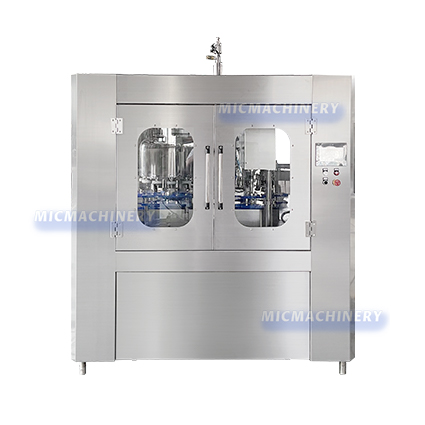
12-1 Juice Can Filling Machine
A 12-1 juice can filling machine is designed with 12 filling heads and 1 sealing head to efficiently fill juice into cans and seal them in a single process. It ensures accurate dosing, hygienic operation, and stable performance, making it suitable for medium to large-scale juice production. |
|
 |
 |
|
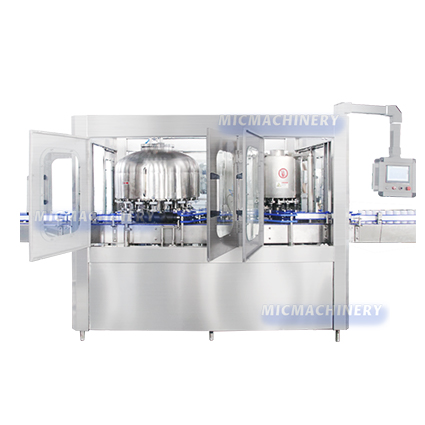
18-6 Juice Can Filling Machine
An 18-6 juice can filling machine is equipped with 18 filling heads and 6 sealing heads to handle juice canning with high speed and precision. It ensures accurate filling, reliable sealing, and hygienic operation, making it ideal for large-scale juice production lines. |
|
|
 |
|
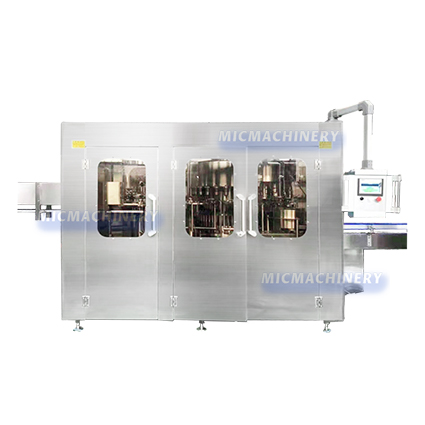
18-18-6 Juice Bottle Filling Machine
An 18-18-6 juice bottle filling machine is designed with 18 rinsing heads, 18 filling heads, and 6 capping heads to complete bottle rinsing, juice filling, and capping in one integrated process. It ensures accurate filling, hygienic operation, and high efficiency, making it ideal for medium to large-scale juice production. |
|
|
 |
|
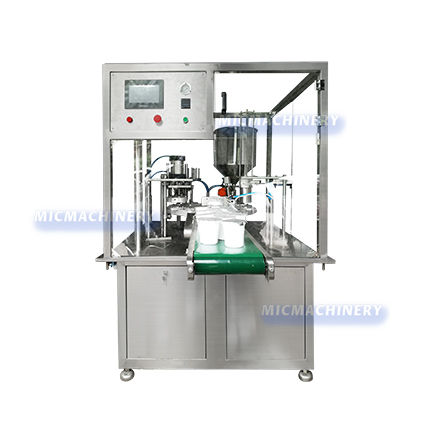
A juice cup filling machine is designed to fill and seal juice into cups quickly and hygienically. It ensures accurate filling, secure sealing, and efficient production, making it ideal for beverage companies producing ready-to-drink juice cups. |
|
|
 |
|
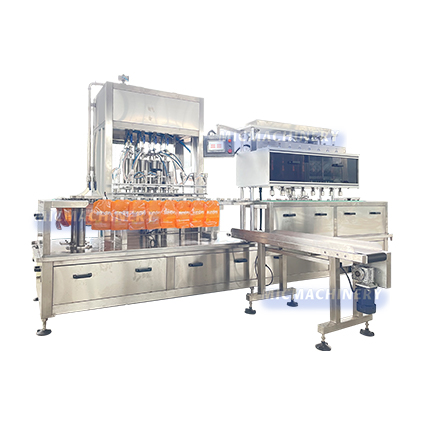
Juice Spout Pouch Filling Machine
A juice spout pouch filling machine is designed to fill juice into spouted pouches with precision and efficiency. It ensures accurate dosing, hygienic operation, and reliable sealing, making it ideal for beverage manufacturers producing convenient, ready-to-drink juice packaging. |
|
|
 |
|
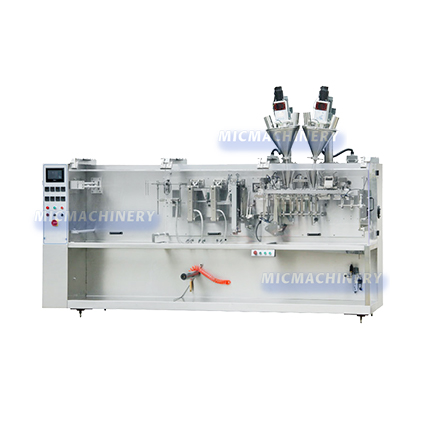
A juice pouch packing machine is used to efficiently fill and seal juice into flexible pouches. It ensures accurate filling, hygienic packaging, and smooth operation, making it ideal for beverage manufacturers producing convenient, ready-to-drink juice pouches. |
|
|
 |
|
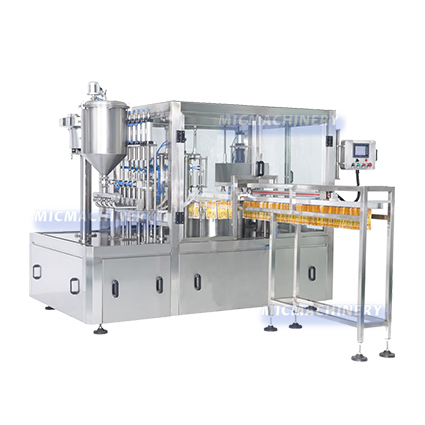
Juice Spout Pouch Packing Machine
A juice spout pouch packing machine is designed to fill and seal juice into spouted pouches in a clean and efficient process. It ensures precise filling, secure sealing, and hygienic packaging, making it ideal for beverage manufacturers focused on convenient juice pouch production. |
|
|
 |
|
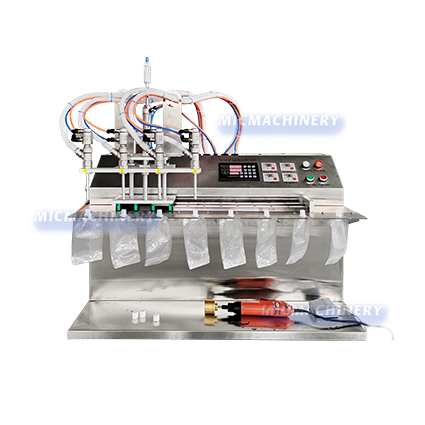
Semi-auto Juice Spout Pouch Filling Machine
A semi-auto juice spout pouch filling machine is used to fill juice into spouted pouches with partial automation. It combines manual handling with automated filling to ensure accurate dosing, hygienic packaging, and cost-effective production, making it suitable for small to medium-scale juice manufacturers. |
|
|