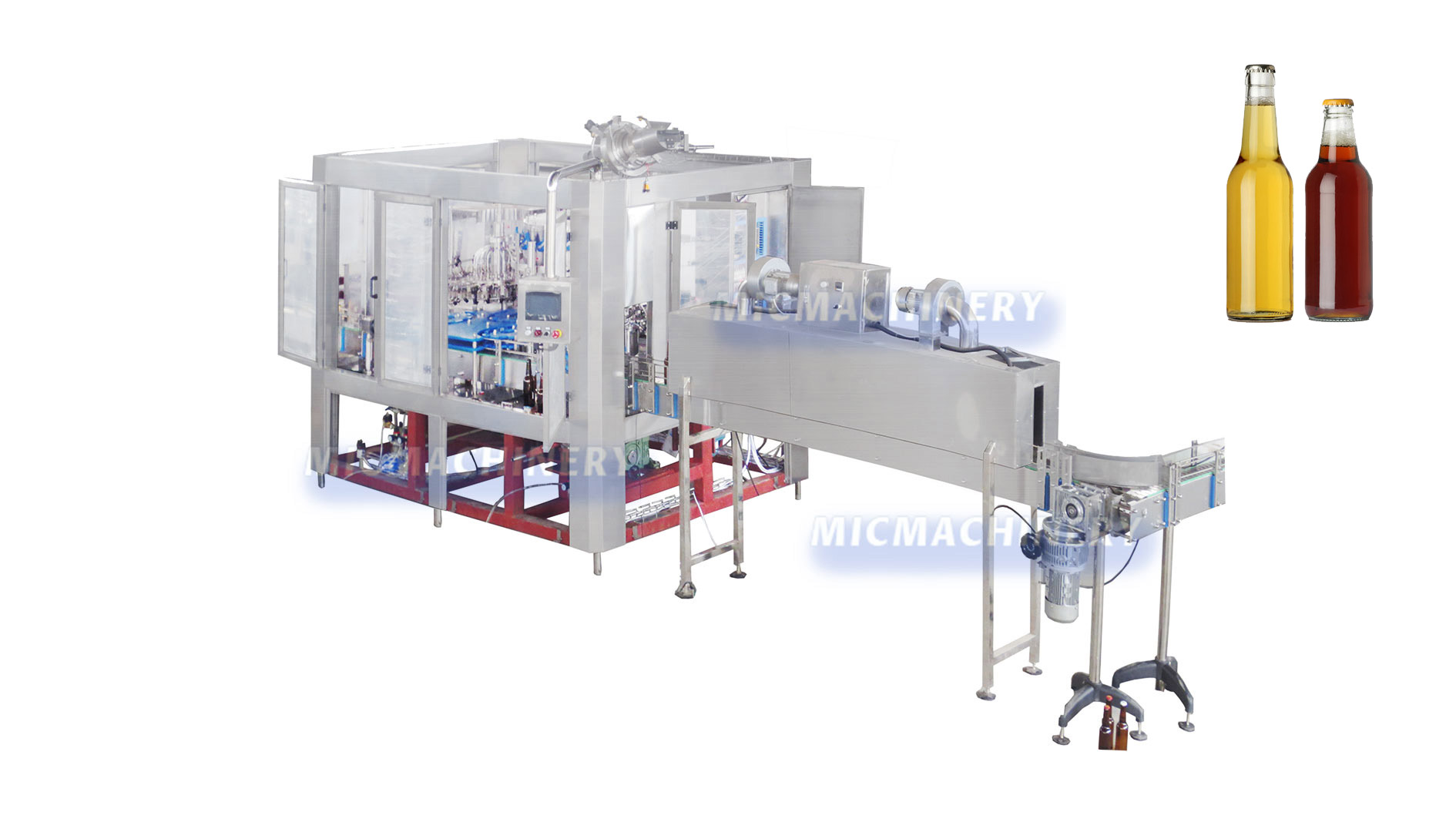
Top 20 Beer Canning Equipment Companies in 2026
Top 20 Beer Canning Equipment Companies in 2026
Have you ever cracked open a canned craft beer and noticed how fresh, aromatic, and perfectly carbonated it tastes? What are the different types of beer canning equipment available for brewers of all sizes? How much does beer canning equipment cost for a small brewery versus a large production facility? How to choose a beer canning equipment that matches your volume, budget, and beer styles? Behind every crisp, portable beer can lies a specialized filling and seaming system designed to protect beer from oxygen, light, and temperature fluctuations. In this article, we will explore beer canning technologies, troubleshooting tips, and the undeniable advantages of canning over bottling.
What Are the Different Types of Beer Canning Equipment?
Beer canning equipment falls into several categories based on automation level and capacity:
1. Manual can seamers – Hand-operated or tabletop units. Fill and seam one can at a time. Ideal for homebrewers and
test batches (50–150 cans/hour). Low cost but labor-intensive.
2. Semi-automatic counter-pressure fillers – Pneumatic or electric operation. Fill 1–2 cans simultaneously. Include
integrated or separate seamers. Handle 200–600 cans/hour. Ideal for nano-breweries and taprooms.
3. Automatic inline canning lines – Fully automated with conveyors, rinser, filler, seamer, and packer. Handle 1,000–5,000
cans/hour. Ideal for small to medium craft breweries.
4. Rotary canning lines – High-speed systems with multiple filling and seaming heads on a rotating carousel. Handle
5,000–150,000+ cans/hour. Ideal for large breweries and contract packagers.
5. Mobile canning units – Trailers or skids with complete canning lines that can be transported to different brewery
locations. Popular for contract canning services.
Beer can sealer machine companies specialize in the seaming operation, offering seamers with 2–12 seaming heads that perform first and second operations continuously. These machines are critical for creating airtight, leak-proof seals that prevent oxygen ingress and CO₂ loss.
Automatic beer canning machine companies provide fully integrated systems with PLC controls, touchscreen interfaces, and remote diagnostics for continuous 24/7 operation.
How Much Does Beer Canning Equipment Cost?
The cost of beer canning equipment varies significantly based on automation level, capacity, and features:
• Manual can seamer (50–150 cans/hour): $1,500 – $5,000
• Semi-automatic counter-pressure filler with seamer (200–600 cans/hour): $8,000 – $25,000
• Automatic inline canning line (1,000–5,000 cans/hour): $50,000 – $150,000
• Rotary canning line (5,000–30,000+ cans/hour): $150,000 – $600,000+
• Complete canning line (rinser, filler, seamer, packer): $60,000 – $800,000+
For beginners and small breweries, manual or semi-automatic canners offer the most affordable entry point. Small beer canning machine companies provide entry-level counter-pressure fillers with integrated seamers starting under $10,000. These are ideal for homebrewers and taprooms producing small batches.
Micro brewery canning line companies offer compact integrated lines specifically designed for nano-breweries and microbreweries producing 500–5,000 cans per hour. These lines prioritize gentle handling, low dissolved oxygen pickup, and easy changeover between 12oz and 16oz cans.
How to Choose a Beer Canning Equipment?
Selecting the right beer canning equipment requires careful consideration of several factors:
1. Production volume – Under 200 cans/day: manual or semi-automatic. 200–2,000: semi-automatic or small automatic
inline. Above 2,000: automatic inline or rotary.
2. Beer styles – Oxygen-sensitive beers (hazy IPAs, pale ales) require low-dissolved-oxygen (LDO) filling valves and
extended CO₂ purge times.
3. Can sizes – Ensure the machine can handle your target can sizes (12oz/355ml, 16oz/473ml, 19.2oz/568ml) with
changeover parts.
4. Automation level – Manual machines require more labor but cost less. Automatic lines require higher investment but
reduce labor costs.
5. Space available – Rotary lines have a smaller footprint per can per hour compared to inline machines.
6. Budget – Include not just the filler and seamer but also a can rinser, date coder, and packer.
7. Future expansion – Choose equipment that can be upgraded (e.g., adding more filling heads) as your brewery grows.
Craft beer canning machine companies specialize in equipment for craft breweries that prioritize quality over raw speed. These machines often include features like low-dissolved-oxygen (LDO) filling valves, gentle can handling, and easy changeover between can sizes.
Beer can packaging machine companies provide downstream equipment such as labelers, shrink wrappers, case packers, and palletizers that integrate seamlessly with the filler and seamer.
Troubleshooting and Maintenance Considerations
Beer canning equipment faces unique challenges due to seaming complexity, oxygen sensitivity, and foam control. Common issues include:
• High dissolved oxygen (DO) – Inadequate CO₂ purge or leaking seals. Increase purge time to 2–4 seconds and
replace worn seals. Target DO: below 50 ppb.
• Leaking seams – Worn seamer rolls or incorrect lid feed. Replace seamer rolls every 500,000–1,000,000 cans and
check seam thickness daily with a micrometer (target: 0.045–0.055 inches).
• Excessive foaming – Beer too warm or incorrect counter-pressure. Keep beer at 32–36°F (0–2°C) and ensure pressure
matches tank pressure.
• Can crushing or denting – Excessive conveyor pressure or incorrect seamer timing. Reduce conveyor back pressure
and verify guide rails.
• Lid jams – Incorrect lid magazine angle or worn pick-off fingers. Adjust magazine angle to 15–20 degrees and replace
fingers annually.
• Inconsistent fill volumes – Worn valve seals or pressure fluctuations. Replace seals quarterly and install a pressure
regulator.
Maintenance best practices:
• Daily: Check seam thickness, clean nozzles, inspect seals, check CO₂ pressure.
• Weekly: Lubricate bearings, inspect seamer rolls for scoring.
• Monthly: Calibrate fill sensors, measure DO levels, check seamer roll gap.
• Quarterly: Replace all seals, send seamer head for calibration.
• Annually: Replace seamer rolls and bearings.
Filling Technology and Mechanisms
Modern beer canning equipment incorporates several specialized technologies:
• Counter-pressure (isobaric) filling – The can is pressurized with CO₂ before filling, matching the pressure of the beer
tank. This prevents CO₂ loss, oxygen pickup, and foaming.
• Low-dissolved-oxygen (LDO) filling valves – Advanced valves that minimize oxygen exposure below 20 ppb, essential
for hazy IPAs and oxygen-sensitive styles.
• Bottom-up filling (lift fill) – The fill tube extends to the bottom of the can and rises as beer fills, reducing splashing and
oxygen pickup.
• CO₂ purging – Before filling, the can is flushed with CO₂ for 2–4 seconds to push out oxygen.
• Snifting valves – Gradually release gas pressure before the can moves to the seamer, preventing foam eruptions.
• Rotary seamers – High-speed seaming turrets with 4–12 heads that perform first and second operations continuously.
Speeds up to 2,500 cans per minute.
• Electronic fill height control – Sensors detect fill levels in real time, adjusting fill time for each can individually.
• CIP (clean-in-place) systems – Automatic cleaning without disassembly.
• Dissolved oxygen monitoring – Inline sensors measure DO levels before and after filling, alerting operators
immediately.
Advantages and Benefits of Beer Canning Equipment
Why choose beer canning equipment over bottling?
• Superior oxygen protection – Counter-pressure with CO₂ purge achieves DO below 30 ppb.
• Total light block – Aluminum blocks 100% of light, preventing skunking.
• Weight savings – Cans weigh 70–80% less than glass, reducing shipping costs.
• Unbreakable – Cans are safer for consumers, beaches, and outdoor events.
• Rapid cooling – Cans chill much faster than glass bottles.
• Lower capital cost – Canning lines are 20–35% cheaper than equivalent bottling lines.
• Infinite recyclability – Aluminum is infinitely recyclable with 95% less energy than new.
• Space efficiency – Empty cans are shipped nested, requiring 1/10 the storage space of glass.
• Consumer preference – Cans are increasingly preferred for portability and freshness.
• Speed – Automatic lines handle 5,000–150,000+ cans per hour.
List of 20 Beer Canning Equipment Companies
 |
Address: Room 1905, Youyi Building, Xincheng Avenue, Cixi, Ningbo, Zhejiang, China |
|
| Mic Machinery provides beverage filling and packaging equipment for beer and other liquid products. Its machinery can be configured for different production capacities and integrated with filling, sealing, and downstream packaging processes. Breweries comparing micro brewery canning line companies can evaluate equipment configuration, can sizes, production output, and the potential for building a complete packaging line. |
 |
Address: 152 Longquan Bay, Xueyan Town, Wujin, Changzhou, Jiangsu, China |
|
| BW Filling Machinery supplies filling and packaging equipment for beverage manufacturers. Its systems can be configured for different production requirements and packaging formats. Beer producers should compare available equipment according to filling performance, operating speed, can compatibility, and integration with downstream packaging processes. |
 |
Address: 2224 Wukesong Road, Sanxing town, Zhangjiagang, Jiangsu, China |
|
| Zhangjiagang Mic Machinery manufactures beverage filling and packaging machinery for different liquid products. Its equipment can be configured for various container formats and production capacities. Breweries can evaluate its machinery according to filling requirements, packaging specifications, automation options, and factory layout. |
 |
Address: Böhmerwaldstraße 5, 93073 Neutraubling, Bavaria, Germany |
|
| Krones AG develops beverage processing, filling, and packaging systems for industrial production facilities. Its portfolio includes can filling, seaming, inspection, and secondary packaging technologies. Buyers researching automatic beer canning machine companies can compare production throughput, automation capabilities, line integration, and operational efficiency. |
 |
Address: 1535 S State Road 39, La Porte, Indiana, United States of America |
|
| APACKS manufactures liquid filling and packaging machinery for food, beverage, and other industrial applications. Its equipment can be configured for different container types, filling volumes, and production requirements. Smaller beverage producers should assess machine capacity, operator requirements, cleaning procedures, and compatibility with their intended canning process. |
 |
Address: Avenue de la Patrouille de France, 76930 Octeville-sur-Mer, Normandy, France |
|
| Sidel provides packaging technology for beverage manufacturers, including filling and secondary packaging solutions. Its systems support different container formats and production scales. Breweries can evaluate its equipment according to can handling, filling requirements, production speed, and integration with other packaging operations. |
 |
Address: 50 Schoolhouse Road Somerset, New Jersey, United States of America |
|
| Cozzoli Machine Company manufactures filling and packaging machinery for liquid products and other applications. Its equipment portfolio includes systems designed for different production requirements and container formats. Buyers comparing beer can sealer machine companies should examine seaming technology, seam consistency, can-end compatibility, and the inspection procedures used to verify closure quality. |
 |
Address: Stuttgarter Straße 130, Waiblingen, Baden-Württemberg, Germany |
|
| Syntegon Technology GmbH develops processing and packaging equipment for food and other industries. Its systems support automated packaging operations with attention to process consistency and production efficiency. Beverage manufacturers should review equipment compatibility, maintenance requirements, cleaning procedures, and integration with existing production lines. |
 |
Address: 4119 Fordleigh Road Baltimore, Maryland, United States of America |
|
| Filamatic specializes in liquid filling machinery, including automatic and semi-automatic configurations. Its equipment can be selected according to filling volume, container format, and production scale. Beer producers should verify that the chosen filling technology is suitable for carbonated beverages and can meet their requirements for foam control and product handling. |
 |
Address: Juchostrasse 20, 44143 Dortmund, Germany |
|
| KHS GmbH supplies filling and packaging technology for beverage manufacturers worldwide. Its portfolio includes can filling, seaming, inspection, and packaging systems for industrial beverage production. Breweries can assess its solutions according to production capacity, can format, automation level, and complete-line integration requirements. |
 |
Address: 2980 Scott St, Vista, CA 92081, United States |
|
| Accutek Packaging Equipment manufactures filling, capping, labeling, and packaging machinery for liquid products. Its equipment range includes configurations for different container types and production scales. Buyers should check whether the selected equipment supports carbonated beer, the required can dimensions, and the intended filling and closure process. |
 |
Address: Via Italia, 43, Gessate Milano, Lombardy, Italy |
|
| Ronchi Mario S.p.A. specializes in automatic filling machinery for liquid products. Its systems are designed for industrial packaging operations requiring controlled filling and consistent production performance. Beverage manufacturers can evaluate equipment specifications, product compatibility, production capacity, and integration requirements. |
 |
Address: Via G. Garibaldi, 34N, Bonate Sotto, Lombardy, Italy |
|
| Comac develops filling and packaging systems for beverages, including beer-related applications. Its machinery can be configured for different production capacities and packaging requirements. Breweries researching craft beer canning machine companies should compare filling speed, can size flexibility, seaming performance, and the ease of changing between production formats. |
 |
Address: Olympus House, Mill Green Road, Haywards Heath, West Sussex, United Kingdom |
|
| Adelphi Packaging Machinery supplies filling and packaging equipment for liquid and semi-liquid products. Its machinery serves different applications with varying container and production requirements. Beverage producers can evaluate equipment based on filling volume, available floor space, cleaning needs, and operational flexibility. |
 |
Address: N15 W23500 Stone Ridge Drive, Waukesha, Wisconsin, United States of America |
|
| Federal Mfg. develops filling and packaging systems for food, beverage, and other industries. Its equipment can be configured for different container types and production-line requirements. Buyers should review filling consistency, operating procedures, maintenance access, and the suitability of each machine for their intended beverage application. |
 |
Address: Hofäckerstraße 9 Crailsheim, Baden-Württemberg, Germany |
|
|
Groninge manufactures filling and packaging equipment for liquid products and specialized applications. Its systems focus on controlled filling operations, container handling, and automated process execution. Manufacturers can assess potential configurations according to production targets, product requirements, cleaning procedures, and line integration needs. |
 |
Address: Ko-58 Mameda-Honmachi, Kanazawa, Ishikawa, Japan |
|
| Shibuya Corporation supplies industrial machinery and production systems for food, beverage, and other sectors. Its technologies cover processing, filling, packaging, and related automation requirements. Beverage manufacturers can compare potential solutions based on container specifications, production capacity, process integration, and plant layout. |
 |
Address: 15-39 130th St, College Point, New York, United States of America |
|
| Filling Equipment Company provides liquid filling machinery for a range of industrial applications. Its equipment can be configured according to container format, filling volume, and required output. Breweries considering small beer canning machine companies should evaluate production capacity, machine footprint, operator involvement, and the possibility of upgrading equipment as demand increases. |
 |
Barry-Wehmiller Packaging Systems Address: 8020 Forsyth Boulevard, St. Louis, Missouri, United States of America |
|
| Barry-Wehmiller Packaging Systems provides packaging machinery and integrated solutions for multiple industries. Its equipment supports different packaging processes that can be coordinated within broader production operations. Breweries comparing beer can packaging machine companies can assess secondary packaging options, including carton handling, case packing, and line integration. |
 |
Address: 1535 South State Road 39, La Porte, IN 46350, United States |
|
| E-PAK Machinery manufactures liquid filling, capping, labeling, and packaging equipment for various industries. Its systems can be configured for different containers, filling volumes, and automation levels. Beer producers should verify the specific equipment capabilities required for carbonated beverages, can handling, filling, seaming, and downstream packaging. |
Global Distribution of Beer Canning Equipment Companies by Country

| Country | Number of Companies | Share (%) |
 |
USA | 8 | 40% |
 |
Germany | 4 | 20% |
 |
China | 3 |
15% |
 |
Italy | 2 | 10% |
 |
France | 1 | 5% |
 |
United Kingdom | 1 | 5% |
 |
Japan | 1 | 5% |
List of 9 Beer Canning Equipment Products
 |
|
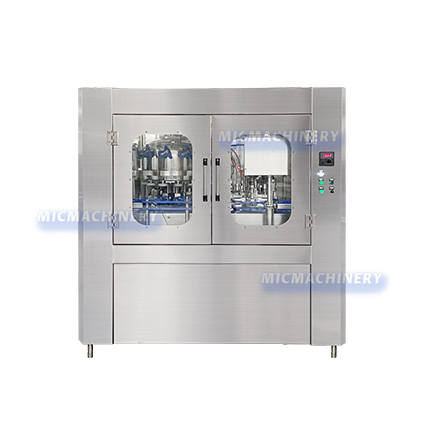
A 12-1 beer canning machine is equipped with 12 filling heads and 1 sealing head to efficiently fill and seal beer cans in a single process. It ensures accurate filling, hygienic operation, and stable performance, making it ideal for small to medium-scale beer can production. |
|
 |
 |
|
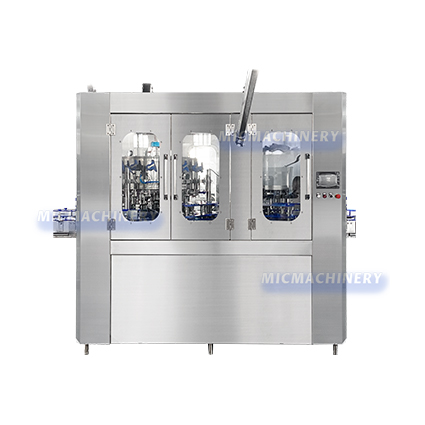
An 18-6 beer canning machine features 18 filling heads and 6 sealing heads to efficiently fill and seal beer cans in one integrated process. It ensures accurate filling, hygienic operation, and high-speed production, making it ideal for medium to large-scale beer can manufacturing. |
|
|
 |
|
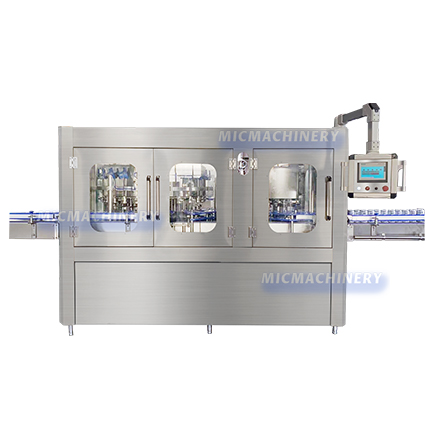
A 24-6 beer canning machine is equipped with 24 filling heads and 6 sealing heads to efficiently fill and seal beer cans in one line. It ensures precise filling, hygienic operation, and high-speed production, making it ideal for large-scale beer can manufacturing. |
|
|
 |
|
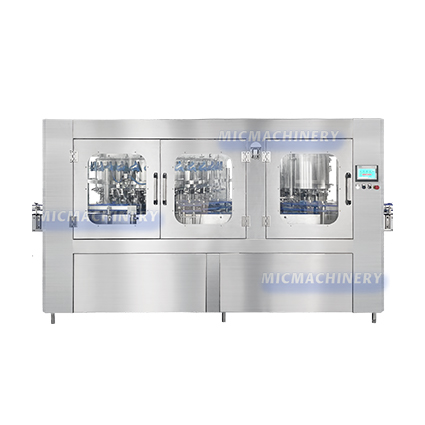
A 32-8 beer canning machine features 32 filling heads and 8 sealing heads to handle high-speed beer can filling and sealing in one integrated system. It ensures accurate dosing, hygienic operation, and reliable performance, making it ideal for large-scale beer can production. |
|
|
 |
|
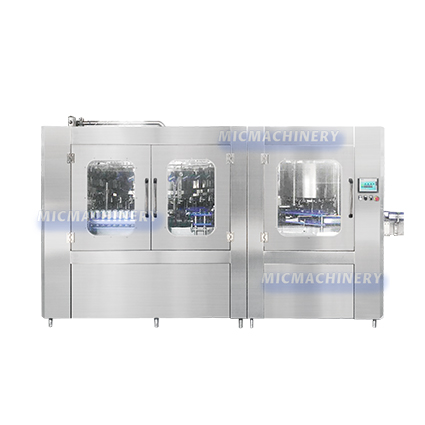
A 40-10 beer canning machine is equipped with 40 filling heads and 10 sealing heads to efficiently fill and seal beer cans in one continuous process. It ensures accurate filling, hygienic operation, and high-speed production, making it ideal for large-scale beer can manufacturing. |
|
|
 |
|
Semi-auto 4 Heads Beer Canning Machine
A semi-auto 4-heads beer canning machine allows manual loading while automatically filling and sealing four beer cans at a time. It ensures accurate filling, hygienic operation, and improved efficiency, making it suitable for small-scale beer can production. |
|
|
 |
|
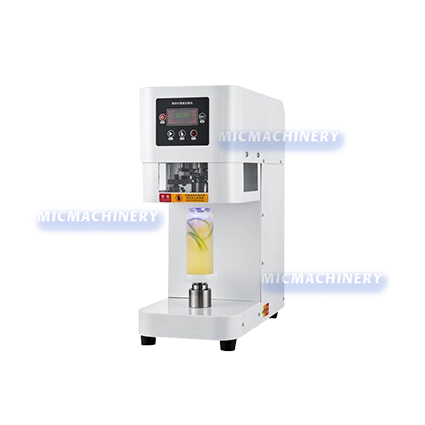
Semi-auto Beer Canning Machine
A semi-auto beer canning machine partially automates the filling and sealing of beer cans. It combines manual handling with automated processes to ensure accurate filling, hygienic operation, and improved efficiency, making it ideal for small to medium-scale beer can production. |
|
|
 |
|
Semi-auto Beer Can Seaming Machine
A semi-auto beer can seaming machine is used to manually place cans while automatically sealing them with precision. It ensures tight, leak-proof seams, hygienic operation, and improved efficiency, making it suitable for small to medium-scale beer can production. |
|
|
 |
|
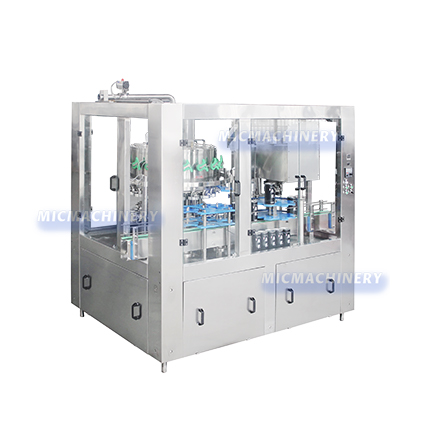
An 18-1 beer canning machine is equipped with 18 filling heads and 1 sealing head to efficiently fill and seal beer cans in a single process. It ensures accurate filling, hygienic operation, and stable performance, making it ideal for medium-scale beer can production. |
|
|