How Much Sugar Is in Soda? The Shocking Truth Revealed
How Much Sugar Is in Soda? The Shocking Truth Revealed
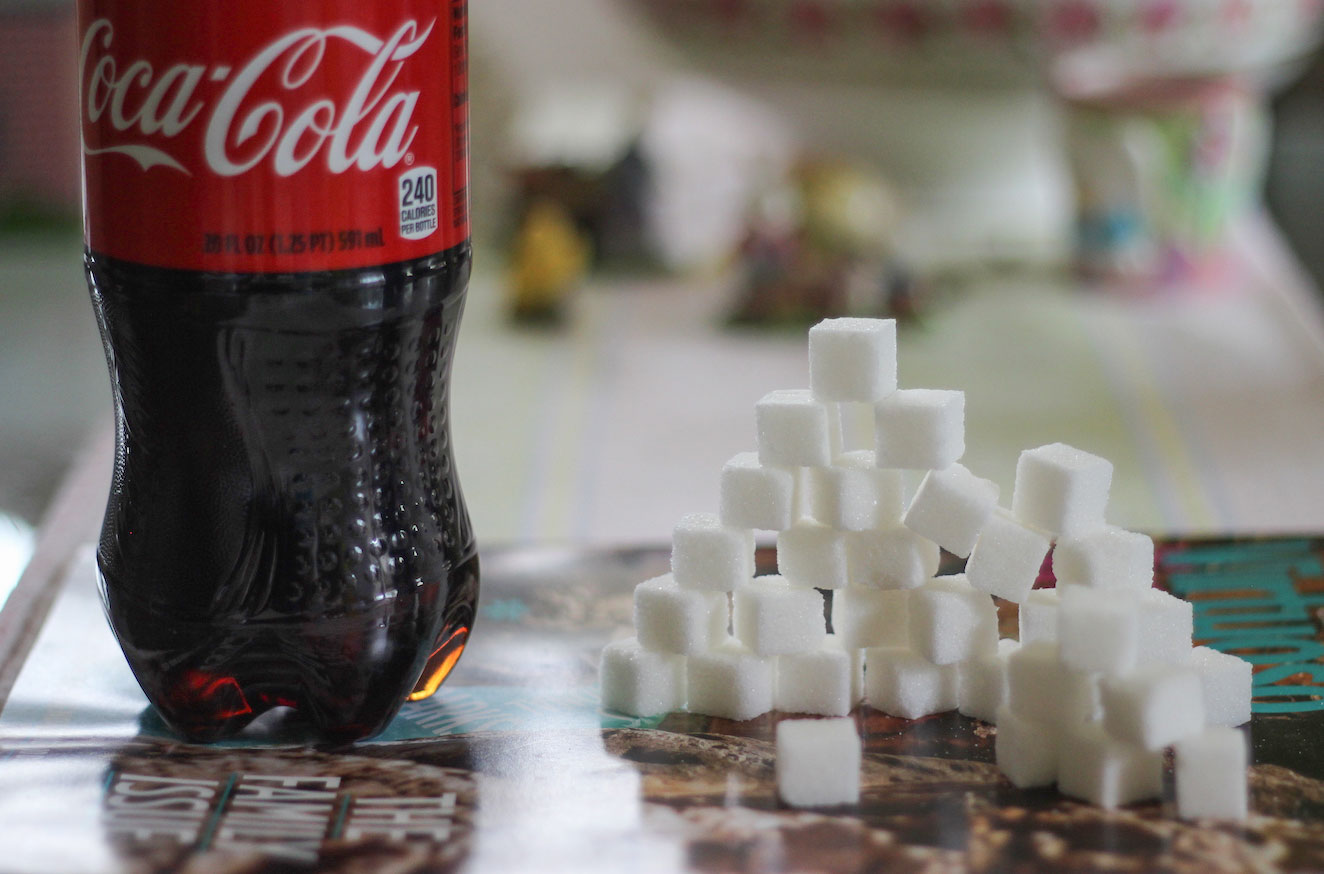
You pick up a cold can of soda from your fridge for a simple, refreshing treat with light fizz and a pleasant taste. You may enjoy this casual drink every day, but you rarely stop to think about the sugar that exists inside a single serving of soda. Most people feel surprised once they learn the real sugar content of ordinary soda products. A single can of regular soda holds more added sugar than a person should consume within one full day.
The Sugar Content of Popular Sodas
|
|
People can find clear sugar data by checking common soda products on the market. A standard 12-ounce can of regular Coca-Cola holds 39 grams of sugar, and this measurement equals roughly 9.75 teaspoons of pure sugar. A 12-ounce can of Pepsi contains 41 grams of sugar or 10.25 teaspoons, and Mountain Dew has the highest sugar level at 46 grams or 11.5 teaspoons per |
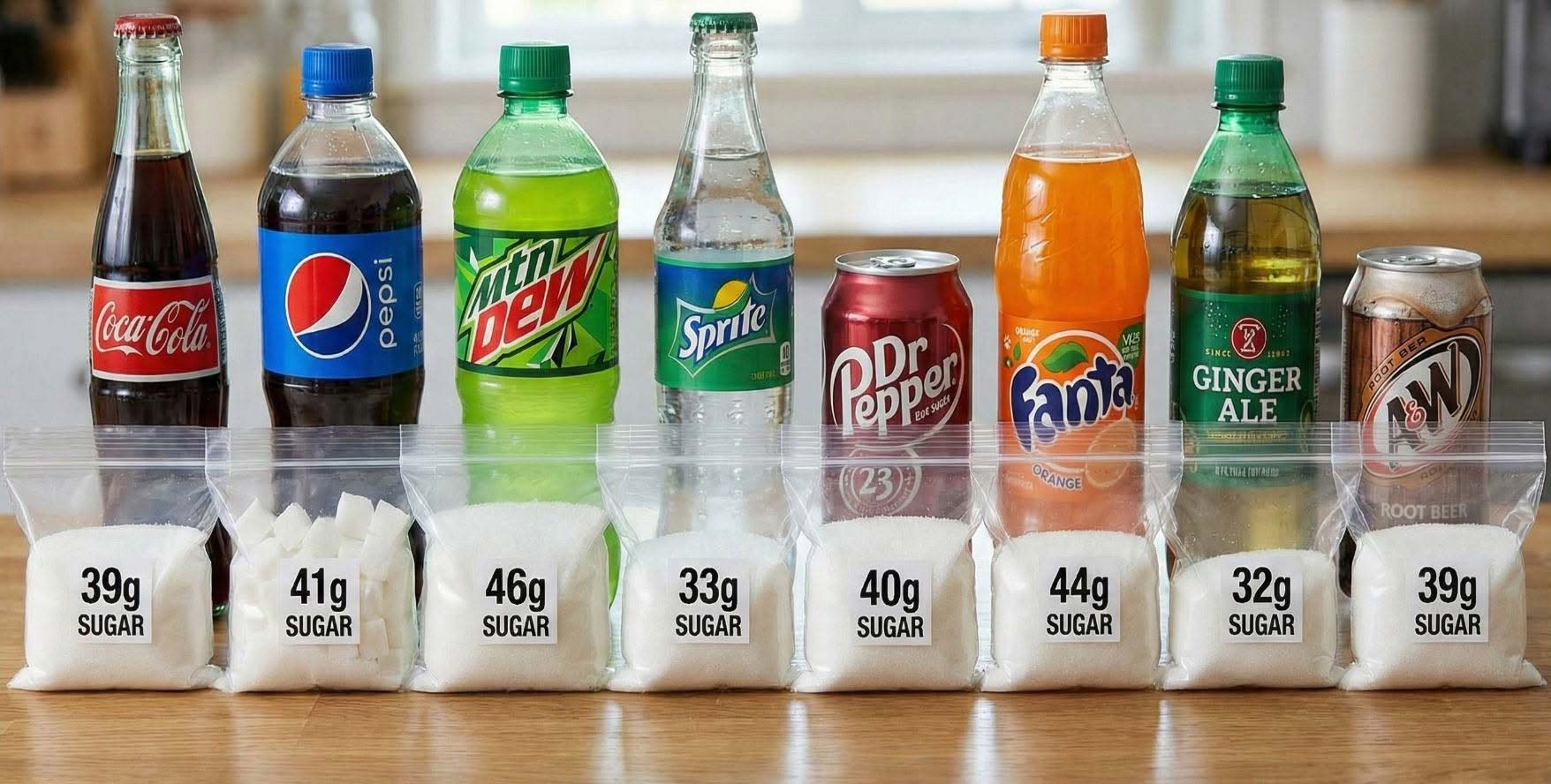
can. A standard serving of Dr Pepper contains 40 grams of sugar or 10 teaspoons.
The American Heart Association provides official daily sugar intake standards for adult men and women. Adult women can consume a maximum of 25 grams of added sugar each day, and adult men can consume a maximum of 36 grams of added sugar each day. One full can of Coca-Cola already passes the safe daily sugar limit for all adult women. One full can of Mountain Dew passes the official sugar limit for adult men and adult women at the same time.
The Health Implications of Sugar in Soda
People need to learn about soda sugar content because this ingredient creates obvious health risks for long-term consumers. The sugar inside all soda is liquid sugar, and the human bloodstream absorbs this special form of sugar at a very fast speed. This fast absorption creates sudden spikes in blood glucose levels and quick bursts of insulin inside the human body. Long-term consumption of sugary soda will cause insulin resistance, type 2 diabetes, and obesity in human bodies.
The excess sugar from soda also triggers multiple physical health problems for regular drinkers. The human liver turns all unused excess sugar into fat, and this fat builds up steadily inside liver cells to form non-alcoholic fatty liver disease. The residual sugar that stays inside the human mouth will feed harmful oral bacteria, and these bacteria will slowly create tooth decay and permanent dental cavities over time.
What Is Cream Soda?
|
People can learn more about soda types by studying the basic features of cream soda. What is cream soda? Cream soda carries a misleading name because this popular beverage does not contain any real cream at all. It is a common carbonated drink with vanilla flavor, and it has a sweet and smooth taste that resembles melted vanilla ice cream. Traditional cream soda has a clear or golden color, and many beverage brands produce pink and blue colored versions for more consumer choices. |
|

Is Cream Soda Caffeine Free?
Many ordinary consumers have questions about is cream soda caffeine free? Most traditional cream soda items from mainstream brands such as A&W and IBC hold no caffeine in their standard formulas. This special feature makes cream soda a great drink option for people to consume in the evening hours. Some local specialty brands and limited-edition cream sodas will add caffeine to their production recipes. Consumers need to check product labels carefully before purchase and use.
Does Club Soda Have Sugar?
Many people who want to cut down daily sugar intake choose club soda as their daily drink option. Does club soda have sugar? Club soda does not contain any sugar in its standard commercial formula. Club soda is basic carbonated water mixed with mild natural minerals that include sodium bicarbonate and potassium sulfate. This drink has no sugar, no calories, and no artificial sweeteners in its composition. These healthy traits make club soda a perfect healthy replacement for regular sugary soda.
Does Soda Go Bad?
|
|
You may find old unopened soda cans in storage and wonder: does soda go bad? Soda will lose its original taste and quality after long storage periods, and soda does not spoil in the same way fresh milk spoils. Old soda will not cause physical harm or illness to human bodies after consumption. The internal carbonation inside soda will slowly escape over time, and this process will turn the fizzy drink flat and make its original flavor become dull. |
How Soda Is Made
People can fully understand fixed soda sugar levels when they learn about commercial soda production processes. Professional soda filling machine fills empty cans and bottles at a fast speed in factory environments. These machines seal every container tightly to lock carbon dioxide inside finished soda products. The equipment measures beverage syrup and carbonated water with high precision. Soda filling machines act as essential equipment for the whole global soda industry.
The Sugar Content of Diet Sodas
Regular soda contains large amounts of natural sugar, and diet soda uses totally different ingredients for production. Diet soda products add artificial sweeteners such as aspartame, sucralose, and stevia to replace natural sugar sources. These artificial sweeteners have an extremely high sweetness level, so manufacturers only need to use a very small quantity in production. All standard diet sodas maintain zero sugar and zero calories in every single serving.
The Sugar Content of Other Sodas
|
Different types of traditional soda carry different fixed sugar levels in their standard servings. A single can of root beer contains around 40 grams of sugar, and common ginger ale contains 35 to 40 grams of sugar per can. Lemon-lime soda products like Sprite and 7-Up have roughly 38 grams of sugar per serving. Fruit-flavored sodas like Fanta and Crush can hold 50 grams of sugar or more in one can. The exact sugar content of soda |
|
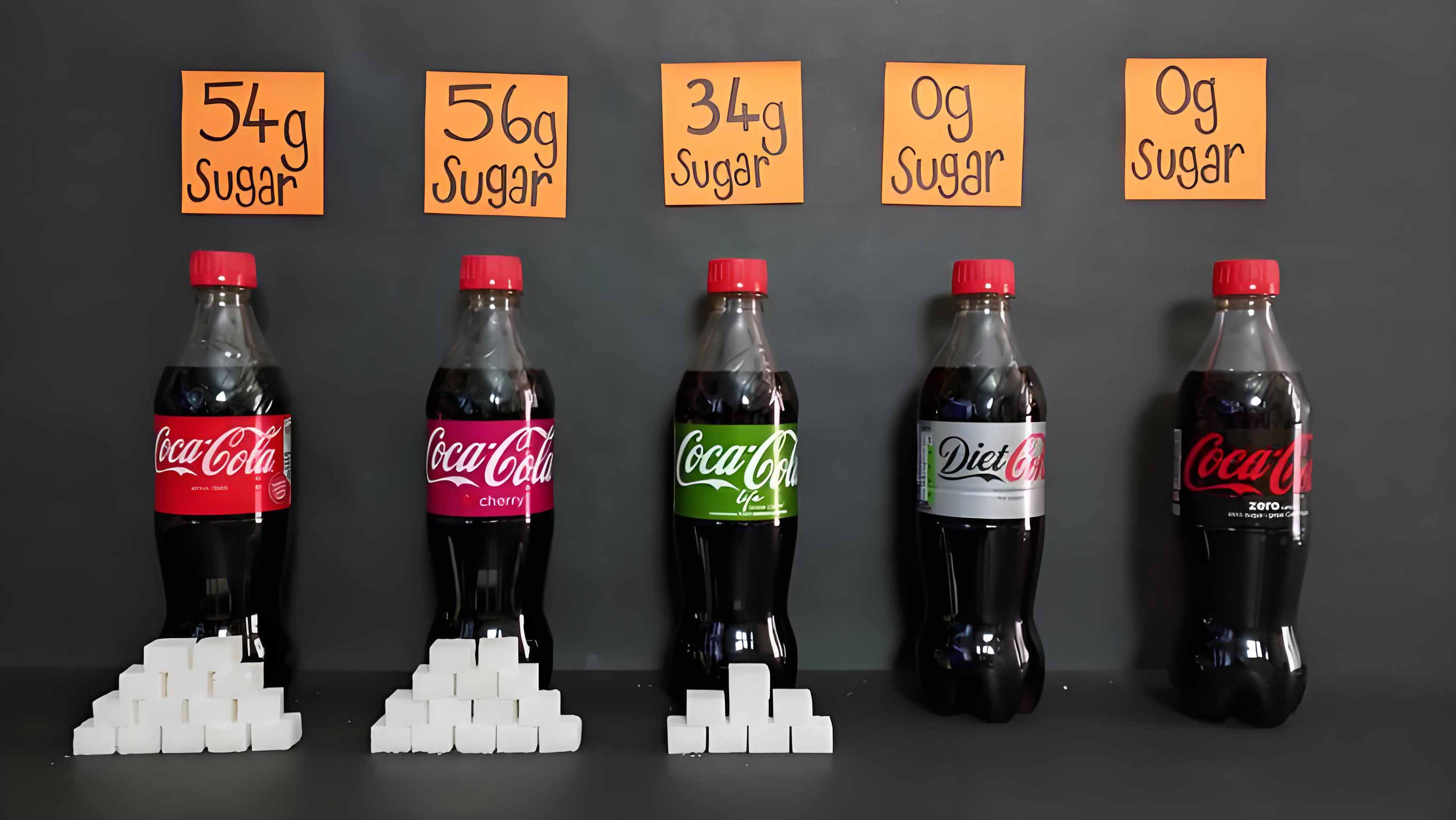
changes based on different brand formulas and flavor types.
The Rise of Low-Sugar Alternatives
Modern ordinary consumers pay more attention to personal physical health and daily dietary habits. This public trend promotes the fast development of low-sugar and zero-sugar soda products in the beverage market. Coca-Cola Zero Sugar and Pepsi Zero Sugar are the most popular zero-sugar soda choices for daily consumers. Flavored sparkling water with natural fruit taste serves as another great zero-sugar beverage option for health-focused people.
The Bottom Line
We can go back to the core question about the sugar content of ordinary soda. A standard 12-ounce can of regular soda holds 35 to 46 grams of sugar, and this amount equals 9 to 11.5 teaspoons of pure sugar. One single can of soda exceeds the daily sugar intake standard for most ordinary people. People can protect their physical health if they limit or completely remove regular soda from their daily diet. People can choose pure water, club soda, or unsweetened sparkling water as healthy daily drink alternatives. This simple conclusion gives a clear final answer to the sugar content question of common soda.