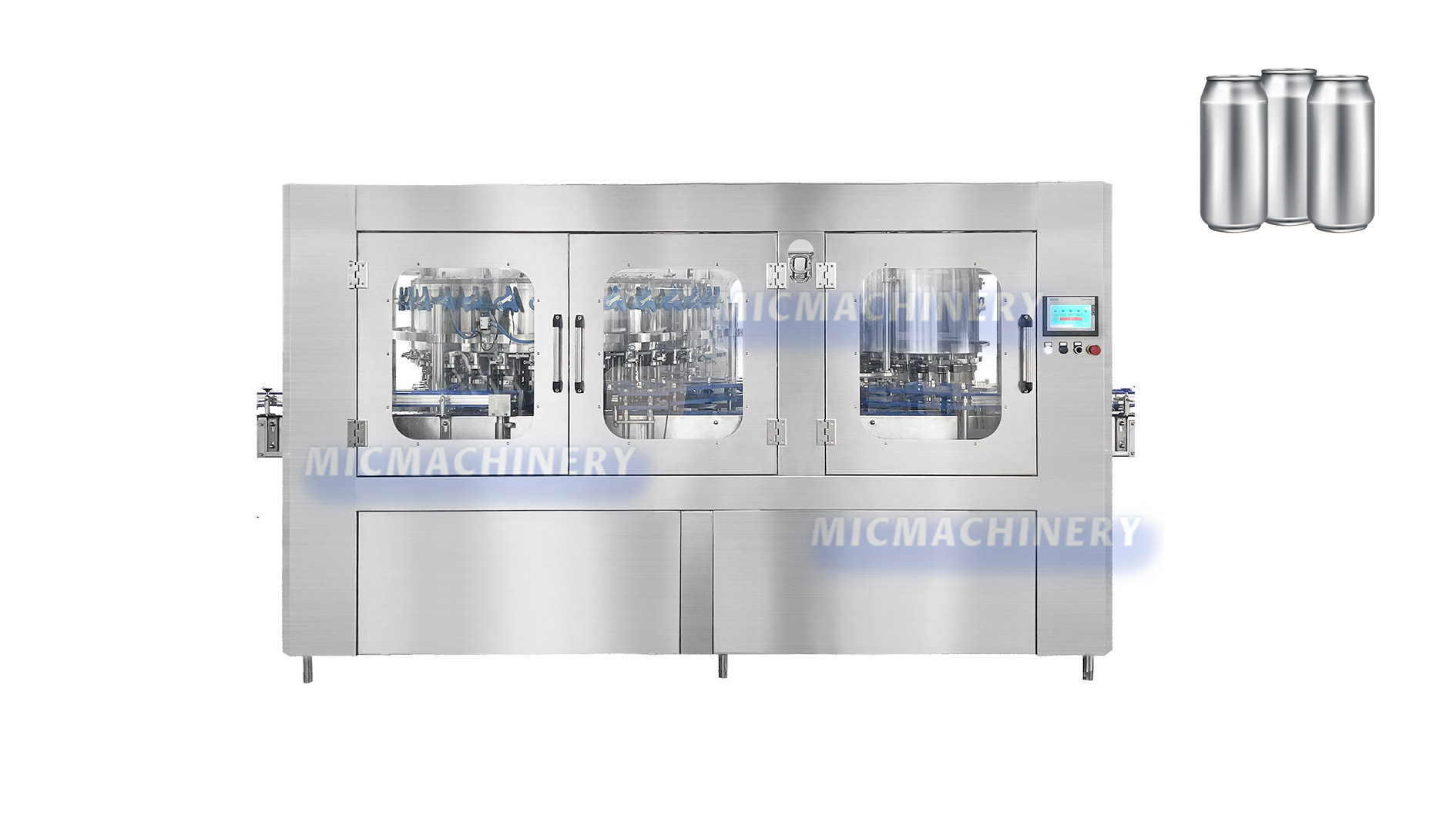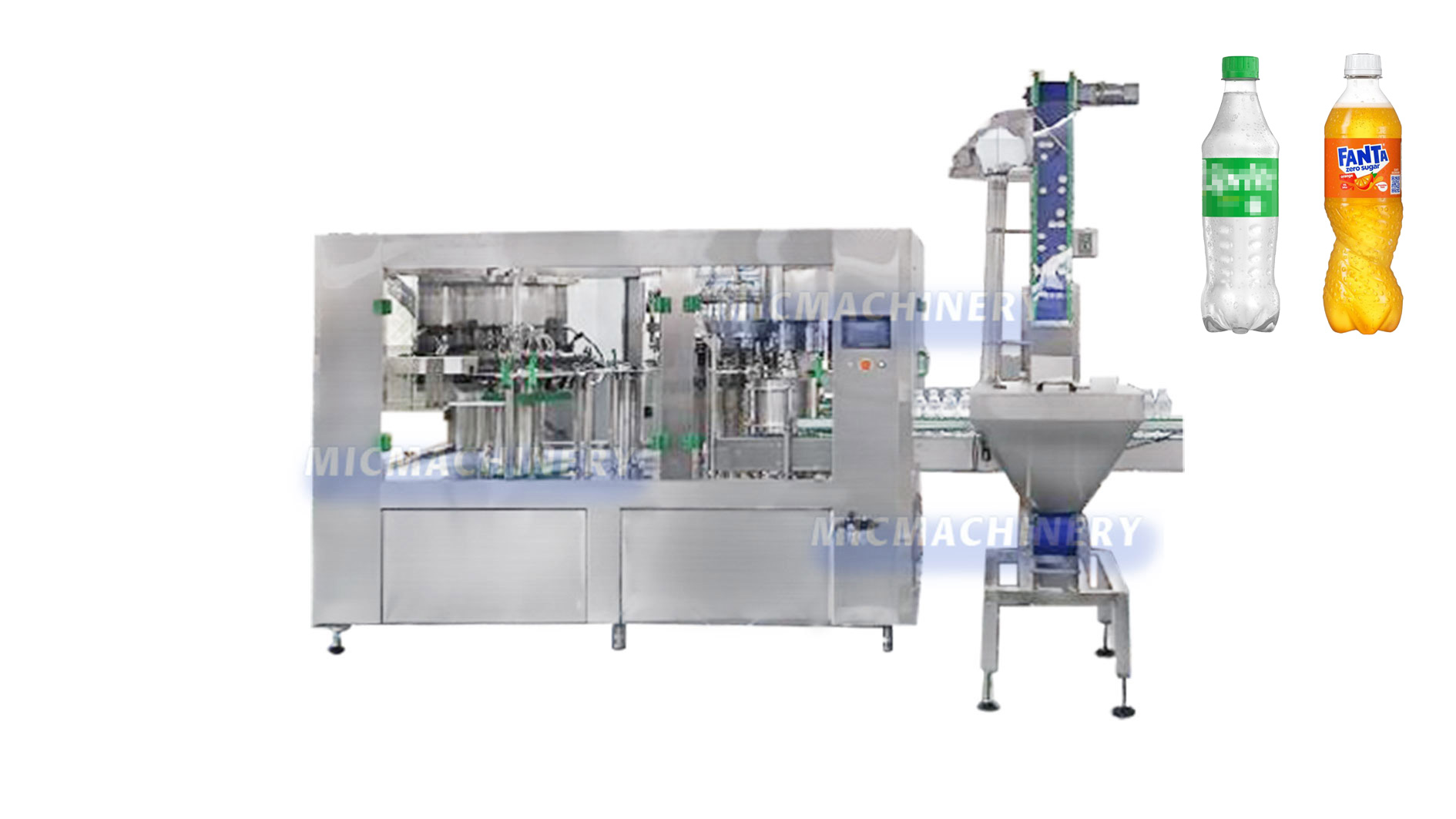
Top 20 Beer Bottling Machine Equipment in 2026
Top 20 Beer Bottling Machine Equipment in 2026
Have you ever popped open a cold beer bottle and wondered how that perfect level of carbonation, clarity, and flavor made it from the brew kettle into your hand? What is a beer bottling equipment system, and how does it handle delicate beer without introducing oxygen or losing CO₂? What equipment is needed in a beer factory beyond just the bottling line? What are the steps in bottling beer from start to finish? Behind every satisfying pour lies a specialized bottling system designed to protect beer from its three greatest enemies: oxygen, light, and bacteria. In this article, we will explore beer bottling technologies, troubleshooting tips, and the undeniable advantages of automated filling.
What Is a Beer Bottling Equipment?
Beer bottling equipment refers to the machinery used to fill beer into bottles (glass or PET) and seal them with crowns (caps) to preserve carbonation, flavor, and shelf life. Unlike soda or water, beer is highly sensitive to oxygen, which causes staling flavors and shortens shelf life. Beer bottling equipment typically includes a bottle rinser, counter-pressure filler, crowner (capper), pasteurizer (for non-aseptic filling), labeler, and packer. The equipment must be constructed from food-grade stainless steel and designed for gentle handling to prevent foaming and oxygen pickup.
For large-scale production, commercial beer bottling equipment manufacturers offer high-speed rotary lines capable of filling 20,000–80,000 bottles per hour. These systems include integrated CIP (clean-in-place), dissolved oxygen monitoring, and automatic bottle inspection to reject any bottles with low fill levels or improper seals.
What Equipment Is Needed in a Beer Factory?
A complete beer factory (brewery) requires far more than just a bottling line. Essential equipment includes:
• Brewhouse – Mash tun, lauter tun, brew kettle, whirlpool for converting grains into wort.
• Fermentation tanks – Stainless steel vessels where yeast converts sugars into alcohol and CO₂.
• Brite beer tanks – Conditioning tanks where beer is carbonated and clarified before packaging.
• Filter or centrifuge – Removes yeast and haze particles for clearer beer.
• Deaerator – Removes oxygen from water used for rinsing and pushing beer through lines.
• Bottle rinser – Inverts and sprays bottles with sterile water or ionized air to remove dust.
• Counter-pressure filler – Fills beer under CO₂ pressure to prevent oxygen pickup and foaming.
• Crowner (capper) – Applies crown caps (or screw caps) to sealed bottles.
• Pasteurizer – Tunnel or flash pasteurizer heats beer to kill microorganisms (optional for craft beer).
• Labeler – Applies front, back, and neck labels.
• Packaging equipment – Case packer, shrink wrapper, or palletizer.
For smaller breweries, small beer bottling line manufacturers offer compact systems that integrate rinsing, filling, and crowning into a single footprint. These lines typically handle 1,000–5,000 bottles per hour and are designed for easy cleaning and changeover between different bottle sizes.
What Are the Steps in Bottling Beer?
The beer bottling process involves several critical steps, each designed to minimize oxygen exposure and preserve carbonation:
1. Bottle rinsing – Empty bottles are inverted and sprayed with sterile water or ionized air to remove dust, glass particles,
or debris.
2. CO₂ purging – Before filling, the bottle is flushed with CO₂ gas to push out oxygen. This is the most important step for
preventing beer staling.
3. Pressurization – The bottle is pressurized with CO₂ to match the pressure of the beer in the filling tank (typically 10–30
PSI depending on carbonation level).
4. Counter-pressure filling – Beer flows into the bottle from the bottom up, while CO₂ returns to the tank. This prevents
foaming and oxygen pickup.
5. Snifting (pressure release) – The gas pressure in the bottle neck is released slowly before the bottle lowers,
preventing foam eruption.
6. Crowning – A crown cap is applied immediately to trap CO₂ and prevent oxygen from entering.
7. Pasteurization (optional) – Bottles pass through a tunnel pasteurizer where hot water sprays raise the beer
temperature to kill microorganisms, extending shelf life.
8. Labeling – Labels are applied using cold glue, hot melt, or pressure-sensitive adhesives.
9. Packaging – Bottles are packed into cases, shrink-wrapped, or palletized for distribution.
Craft beer bottling line manufacturers specialize in equipment for smaller breweries that prioritize quality over raw speed. These lines often include features like low-dissolved-oxygen (LDO) filling valves, gentle bottle handling, and easy changeover between 330ml, 500ml, and 750ml bottles.
Troubleshooting and Maintenance Considerations
Beer bottling equipment faces unique challenges due to beer's sensitivity to oxygen, temperature, and foam. Common issues include:
• High dissolved oxygen (DO) in packaged beer – Caused by inadequate CO₂ purging, leaking seals, or air bubbles in
the filling system. Solution: verify CO₂ purge time and pressure, replace worn seals, and check for air leaks in beer
supply lines. Target DO levels: below 50 ppb (parts per billion) for most beers.
• Excessive foaming during filling – Beer too warm, incorrect counter-pressure, or fill tube positioned too high. Keep beer
at 32–36°F (0–2°C), ensure counter-pressure matches tank pressure, and adjust fill tube to reach near bottle bottom.
• Inconsistent fill volumes – Worn valve seals, pressure fluctuations, or dirty level sensors. Replace seals every three
months, install a pressure regulator, and clean sensors weekly.
• Leaking crowns – Worn crowner head, incorrect cap feed, or damaged bottle mouths. Replace crowner chucks every
500,000 bottles and inspect bottle mouths for chips.
• Beer staling or off-flavors – Oxygen ingress during filling or capping. Inspect all gaskets and seals, verify CO₂ purity,
and test finished beer DO levels regularly.
• Broken bottles in the filler – Incorrect lift cylinder pressure or damaged bottle grippers. Reduce lift pressure and inspect
rubber grippers monthly.
Maintenance best practices:
• Daily: Rinse filling nozzles, inspect seals for cracks, check CO₂ pressure gauges, verify crowner alignment.
• Weekly: Lubricate cam tracks and starwheel bearings, inspect conveyor belts, check air filters.
• Monthly: Calibrate fill height sensors, test valve response time, measure DO levels in packaged beer.
• Quarterly: Replace all valve seals and diaphragms, inspect stainless steel for pitting, calibrate pressure gauges.
• Annually: Send crowner head for professional calibration and rebuild filling valves.
For small breweries, small beer bottling machine manufacturers provide equipment with simplified maintenance procedures and readily available spare parts. Many offer remote troubleshooting support via video call, which is invaluable for breweries without on-site engineers.
Filling Technology and Mechanisms
Modern beer bottling equipment incorporates several specialized technologies:
• Counter-pressure (isobaric) filling – The bottle is pressurized with CO₂ before filling, matching the pressure of the beer
tank. This prevents CO₂ loss, oxygen pickup, and foaming. Essential for all carbonated beers.
• Low-dissolved-oxygen (LDO) filling valves – Advanced filling valves that minimize oxygen exposure to below 20 ppb,
essential for hazy IPAs and other oxygen-sensitive styles.
• Bottom-up filling (lift fill) – The fill tube extends to the bottom of the bottle and rises as beer fills, reducing splashing,
foaming, and oxygen pickup.
• CO₂ purging – Before filling, the bottle is flushed with CO₂ for 1–3 seconds to push out oxygen. Longer purge times are
used for oxygen-sensitive beers.
• Snifting valves – Gradually release gas pressure from the bottle neck before the bottle lowers, preventing foam
eruptions.
• Electronic fill height control – Capacitive or ultrasonic sensors detect fill levels in real time, adjusting fill time for each
bottle individually.
• CIP (clean-in-place) systems – Automatically circulate hot water, caustic solution, acid rinse, and sanitizer through the
filler without disassembly. Critical for preventing bacterial and wild yeast contamination between batches.
• Dissolved oxygen monitoring – Inline sensors measure DO levels in beer before and after filling, alerting operators to
issues immediately.
Craft beer bottling machine manufacturers focus on low-DO filling technology, recognizing that craft beers (especially dry-hopped IPAs and pale ales) are extremely oxygen-sensitive. These manufacturers offer filling valves with extended CO₂ purge times, gentle product handling, and sanitary designs that prevent flavor contamination between different beer styles.
For breweries just starting out, small beer bottling line manufacturers offer compact counter-pressure fillers that mount on a tabletop and run on standard electrical outlets. These entry-level machines typically handle 300–1,000 bottles per hour and allow small brewers to bottle their beer without a massive capital investment. Many small beer bottling machine manufacturers also offer manual crowners and semi-automatic rinsers that can be added over time as production grows.
Advantages and Benefits of Beer Bottling Equipment
Why invest in dedicated beer bottling equipment over manual or improvised filling methods?
• Oxygen protection – Counter-pressure filling and CO₂ purging keep dissolved oxygen below 50 ppb, preventing staling
and extending shelf life from weeks to 6–12 months.
• Carbonation retention – Precise pressure control ensures every bottle has the same CO₂ volume as the bright beer
tank.
• Foam control – Bottom-up filling and snifting valves minimize foam, preventing underfills and messy bottle necks.
• Consistency – Every bottle receives the exact same fill volume, carbonation level, and seal integrity.
• Speed – Automatic lines handle 5,000–80,000 bottles per hour, impossible by hand.
• Hygiene – CIP-compatible designs prevent bacterial and wild yeast contamination between batches.
• Versatility – Changeover parts allow the same machine to handle different bottle sizes (330ml to 1L) and cap types
(crown, screw cap, swing top).
• Labor savings – One operator monitors a line that would otherwise require 5–15 workers.
• Brand protection – Consistent packaging quality builds consumer trust and repeat purchases.
From the precision of counter-pressure fillers to the gentle handling of glass-specific systems, the right beer bottling machine transforms your brewery's output into a reliable, shelf-ready product. Whether you are a craft brewery working with beer bottling equipment manufacturersor a large producer searching for a beer bottling line for sale, selecting the right equipment ensures your success in the competitive beer market.
List of 20 Beer Bottling Equipment Manufacturers
 |
Address: Room 1905, Youyi Building, Xincheng Avenue, Cixi, Ningbo, Zhejiang, China |
|
| Mic Machinery is a global supplier of beverage filling and packaging systems for beer production lines. It is widely recognized among commercial beer bottling equipment manufacturers, providing complete turnkey bottling solutions for breweries of all sizes. The company focuses on hygiene, stability, and high automation efficiency. Its systems are widely used in modern beer factories worldwide. |
 |
Address: 152 Longquan Bay, Xueyan Town, Wujin, Changzhou, Jiangsu, China |
|
| BW Filling Machinery provides advanced liquid filling systems for beer and beverage industries. It is known for durable and high-performance bottling equipment. The company supports large-scale brewery production with stable engineering solutions. Its machines are widely used in international markets. |
 |
Address: 2224 Wukesong Road, Sanxing town, Zhangjiagang, Jiangsu, China |
|
| Zhangjiagang Mic Machinery specializes in cost-effective beer packaging solutions for export breweries. It is widely known among craft beer bottling line manufacturers, offering flexible and customizable production systems. The company focuses on modular design for different brewery capacities. Its systems are widely used in emerging craft beer markets. |
 |
Address: Böhmerwaldstraße 5, 93073 Neutraubling, Bavaria, Germany |
|
| Krones AG is one of the world’s leading beverage equipment manufacturers. It delivers high-speed filling, labeling, and packaging systems for beer production. The company is widely trusted by global breweries. Its technology is used in large-scale industrial beer plants. |
 |
Address: 1535 S State Road 39, La Porte, Indiana, United States of America |
|
| APACKS produces compact filling systems for small breweries and beverage producers. It offers flexible solutions suitable for craft beer operations. The company focuses on easy operation and maintenance. Its machines are widely used in small production facilities. |
 |
Address: Avenue de la Patrouille de France, 76930 Octeville-sur-Mer, Normandy, France |
|
| Sidel is a global leader in beverage packaging automation. It provides advanced bottling systems for beer production lines. The company focuses on efficiency and sustainable engineering. Its systems are widely used in large breweries worldwide. |
 |
Address: 50 Schoolhouse Road Somerset, New Jersey, United States of America |
|
| Cozzoli Machine Company specializes in precision filling systems for liquids. It is known for accurate and reliable filling performance. The company serves beverage, pharmaceutical, and specialty industries. Its machines are widely used in niche production environments. |
 |
Address: Stuttgarter Straße 130, Waiblingen, Baden-Württemberg, Germany |
|
| Syntegon Technology GmbH develops advanced packaging and automation systems. It integrates intelligent controls into beverage production lines. The company focuses on high-performance industrial solutions. Its equipment is widely used globally. |
 |
Address: 4119 Fordleigh Road Baltimore, Maryland, United States of America |
|
| Filamatic provides flexible filling machines for beverage and specialty liquids. It focuses on compact and precise equipment design. The company serves small-scale production environments. Its systems are widely used in niche industries. |
 |
Address: Juchostrasse 20, 44143 Dortmund, Germany |
|
| KHS GmbH is a major global supplier of beverage production systems. It is recognized among craft beer bottling machine manufacturers, offering advanced high-speed bottling solutions. The company focuses on efficiency and industrial-scale production. Its equipment is widely used by breweries worldwide. |
 |
Address: 2980 Scott St, Vista, CA 92081, United States |
|
| Accutek Packaging Equipment provides modular filling and packaging systems for small businesses. It offers scalable solutions suitable for craft breweries. The company focuses on flexibility and ease of use. Its machines are widely used in startup production lines. |
 |
Address: Via Italia, 43, Gessate Milano, Lombardy, Italy |
|
| Ronchi Mario S.p.A. specializes in high-precision filling systems for beverage industries. It delivers stable and efficient bottling technology. The company serves global beer and food markets. Its systems are widely used in Europe. |
 |
Address: Via G. Garibaldi, 34N, Bonate Sotto, Lombardy, Italy |
|
| Comac produces compact beverage filling systems for breweries. It is associated with flexible production solutions for small and medium beer producers. The company focuses on user-friendly machine design. Its equipment is widely used in regional breweries. |
 |
Address: Olympus House, Mill Green Road, Haywards Heath, West Sussex, United Kingdom |
|
| Adelphi Packaging Machinery provides customized filling solutions for beverage producers. It focuses on reliability and simple maintenance. The company serves craft and specialty brewing markets. Its machines are widely used in niche production. |
 |
Address: N15 W23500 Stone Ridge Drive, Waukesha, Wisconsin, United States of America |
|
| Federal Mfg. manufactures heavy-duty filling systems for industrial use. It focuses on durability and long-term operation. The company serves beverage and food industries. Its equipment is widely used in factories. |
 |
Address: Hofäckerstraße 9 Crailsheim, Baden-Württemberg, Germany |
|
|
Groninge provides precision filling systems for high-end industries. It is known for engineering excellence and hygienic design. The company serves beverage and pharmaceutical sectors. Its machines are widely used globally. |
 |
Address: Ko-58 Mameda-Honmachi, Kanazawa, Ishikawa, Japan |
|
| Shibuya Corporation integrates robotics and automation into packaging systems. It delivers advanced production solutions for beverage industries. The company focuses on innovation and reliability. Its systems are widely used in Asia. |
 |
Address: 15-39 130th St, College Point, New York, United States of America |
|
| Filling Equipment Company provides flexible liquid filling systems for industrial use. It focuses on durable and adaptable machine structures. The company serves regional beverage manufacturers. Its equipment is widely used in small factories. |
 |
Barry-Wehmiller Packaging Systems Address: 8020 Forsyth Boulevard, St. Louis, Missouri, United States of America |
|
| Barry-Wehmiller Packaging Systemsy is a global packaging leader. It delivers integrated production systems for large breweries. The company is widely recognized among small beer bottling line manufacturers, offering scalable and efficient solutions. Its systems are widely used worldwide. |
 |
Address: 1535 South State Road 39, La Porte, IN 46350, United States |
|
| E-PAK Machinery specializes in liquid filling systems for small and medium breweries. It is widely recognized among small beer bottling machine manufacturers, providing cost-effective and flexible production solutions. The company focuses on easy operation and reliable performance. Its machines are widely used in emerging beer markets. |
Global Distribution of Beer Bottling Equipment Manufacturers by Country

| Country | Number of Companies | Share (%) |
 |
USA | 8 | 40% |
 |
Germany | 4 | 20% |
 |
China | 3 |
15% |
 |
Italy | 2 | 10% |
 |
France | 1 | 5% |
 |
United Kingdom | 1 | 5% |
 |
Japan | 1 | 5% |
List of 6 Beer Bottling Machine Products
 |
|
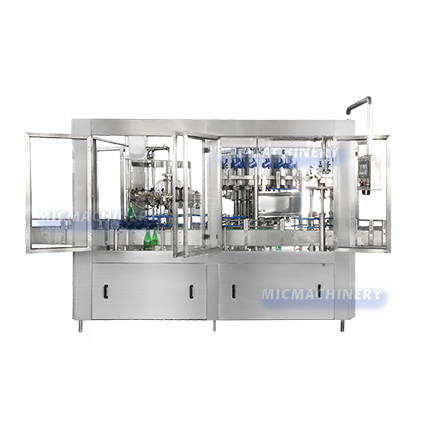
An 18-18-1 beer bottling machine features 18 rinsing heads, 18 filling heads, and 1 capping head, integrating bottle rinsing, beer filling, and capping into a single compact system. It provides accurate filling levels, stable pressure control, and hygienic operation, making it ideal for small to medium breweries producing bottled beer efficiently. |
|
 |
 |
|
18-18-6 PET Beer Bottling Machine
The 18-18-6 PET beer bottling machine combines rinsing, filling, and capping in one unit. It ensures accurate, hygienic, and efficient beer filling for PET bottles while maintaining carbonation and freshness during high-speed production. |
|
|
 |
|
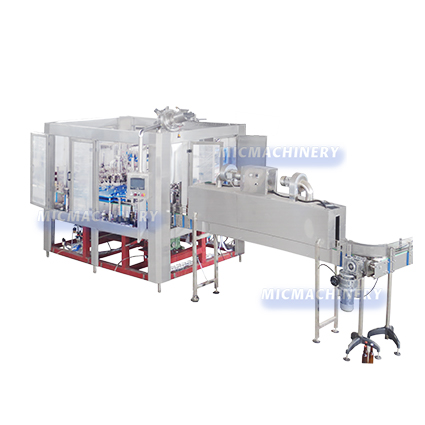
18-18-1 Beer Bottle Filling Machine
The 18-18-1 beer bottle filling machine integrates rinsing, filling, and capping functions. Designed for glass beer bottles, it provides accurate filling, stable performance, and excellent sealing to maintain beer freshness and carbonation. |
|
|
 |
|
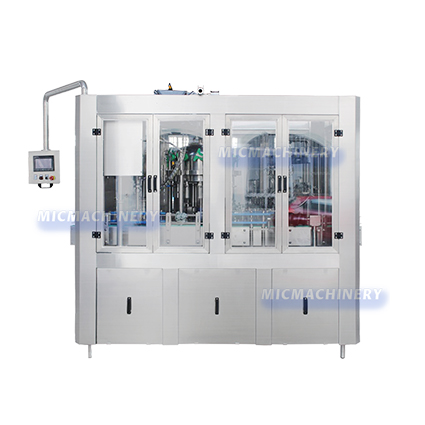
The 24-24-6 beer bottling machine features 24 rinsing heads, 24 filling heads, and 6 capping heads to efficiently rinse, fill, and cap beer bottles in one line. It ensures accurate filling, hygienic operation, and high-speed production, making it ideal for large-scale brewery operations. |
|
|
 |
|
The 12-12-1 beer bottling machine is equipped with 12 rinsing heads, 12 filling heads, and 1 capping head to complete rinsing, filling, and capping in a single process. It ensures accurate beer filling, hygienic operation, and stable performance, making it suitable for small to medium-scale breweries. |
|
|
 |
|
Semi-auto Beer Bottling Machine
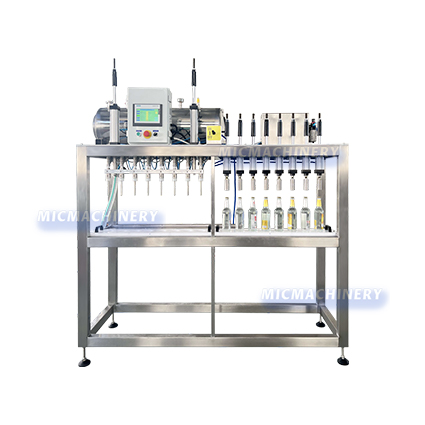
A semi-auto beer bottling machine partially automates the rinsing, filling, and capping of beer bottles. It combines manual handling with automated processes to ensure accurate filling, hygienic operation, and improved efficiency, making it suitable for small to medium-scale breweries. |
|
|