Is Juice a Soft Drink? Untangling the Beverage Aisle
Is Juice a Soft Drink? Untangling the Beverage Aisle
Walking down the beverage aisle, you're faced with a dizzying array of choices. Among the sodas and seltzers, cartons of orange, apple, and cranberry juice sit side-by-side with bottles of Coke and Sprite. This proximity often leads to a common question: is juice considered a soft drink? The answer is more nuanced than a simple yes or no, hinging on definitions, ingredients, and processing.
Defining Our Terms: The Core of the Debate
To answer this, we must first define what a "soft drink" is.
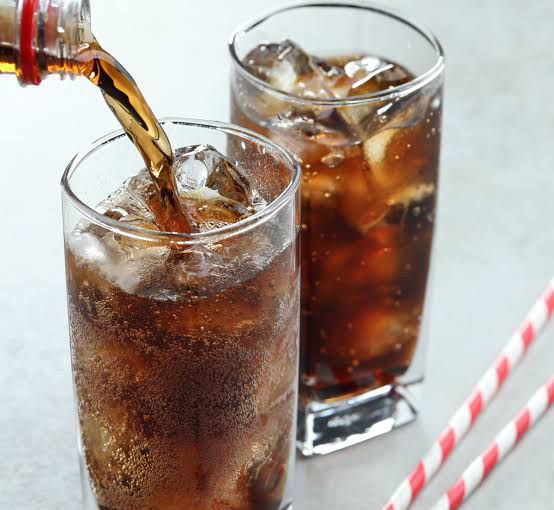
• A Soft Drink is typically defined as a non-alcoholic beverage that is carbonated, sweetened, and flavored. Key characteristics include being artificially produced and containing added sugars, acids, and flavorings. Think of colas, lemon-lime sodas, and root beer.
|
• Juice, in its pure form, is defined as the liquid extracted • or pressed from fruits or vegetables. 100% • Juice contains no added sugars or artificial ingredients • —it is, in theory, just the natural contents of the fruit.
Based on these definitions, a carton of 100% orange juice with no additives is not a soft drink. It is not carbonated, not artificially flavored, and contains no added sweeteners. |
 |
The Gray Area: When Juice Becomes a Soft Drink
This is where the lines blur significantly. Many products labeled as "juice" on the supermarket shelf are not 100% juice.
• Juice Drinks, Cocktails, and Punches: These products often contain only a small percentage of actual fruit juice (e.g., 10%). The rest is water, a significant amount of added sugar (like high-fructose corn syrup), artificial flavors, and colors. Nutritionally and compositionally, these beverages are nearly identical to soft drinks, even if they are not carbonated.
|
|
• The Carbonation Factor: Some juices, like certain • brands of apple or grape juice, are available in • carbonated form. A carbonated juice drink with added • sugar fits the profile of a soft drink almost perfectly.
Therefore, while 100% juice is not a soft drink, the vast category of juice-based beverages with added sweeteners and flavors can absolutely be considered a type of soft drink. |

The Production Line: A Shared Technology
The connection becomes even clearer when we look at how these beverages are made. Whether it's a sugary cola or a sweetened juice drink, the final stage of production is often identical.
Both types of beverages rely on high-speed, automated packaging lines to get from the factory to your fridge. After the liquid—whether it's a soda syrup mixture or a diluted juice concentrate—is prepared and pasteurized, it is sent to a soft drink filling machine.
|
This sophisticated equipment is the workhorse of the beverage industry. A modern soft drink filling machine is designed to efficiently clean, fill, and seal bottles or cans at incredible speeds, all while maintaining sterility. It handles both carbonated and non-carbonated liquids with precision. The use of a soft drink filling machine for sweetened juice products highlights their industrial similarity to traditional sodas, despite their different marketing. |
 |
The Nutritional Distinction
From a health perspective, the distinction is critical. A 100% fruit juice, while high in natural sugars, retains most of the vitamins, minerals, and antioxidants of the whole fruit (though it lacks the beneficial fiber). A sugar-sweetened juice drink or soda, on the other hand, offers "empty calories" with little to no nutritional value.
The Verdict
|
|
So, is juice a soft drink? Here’s the breakdown:
• No, 100% Fruit or Vegetable Juice is not a soft • drink. It is a separate category of beverage defined by • its lack of additives and its origin from pressed fruit.
• Yes, Sweetened Juice Drinks and Cocktails are a • type of soft drink. Their composition of added sugar, • water, and flavorings aligns them nutritionally and • functionally with the soft drink category. |

The key is to read the label. If added sugars are high on the ingredient list, you're likely holding a beverage that, regardless of its name, shares more in common with a soda—from its recipe to its journey through a soft drink filling machine—than with a piece of whole fruit.